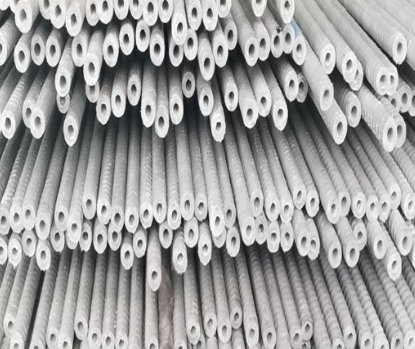





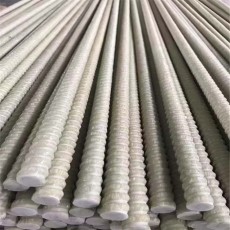
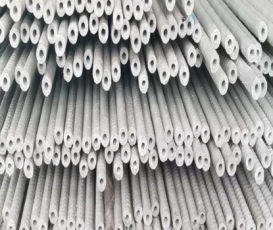
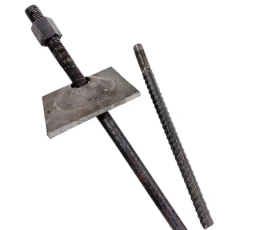
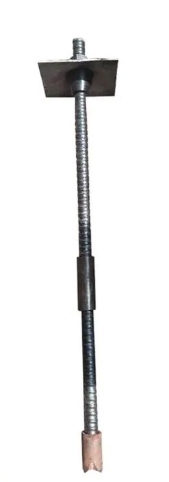
This product has multiple unique advantages: first, it uses vinyl ester resin FRP material, which has excellent corrosion resistance to salt fog, acid and alkali, and can maintain good mechanical properties in harsh underground environments for a long time. Second, it has a light weight, which is only 1/4 of the weight of carbon steel anchors of the same specification, reducing the labor intensity of construction and the load on lifting equipment. Third, it adopts quick splicing design, which can speed up the construction progress and adapt to the narrow construction space of coastal projects. Compared with metal anti-floating anchors, it has no conductive performance, which will not cause interference to underground electronic equipment and precision instruments.
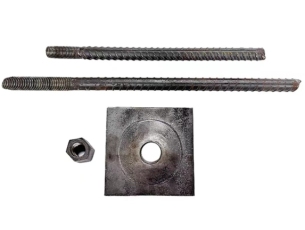
The rod diameter range of this FRP anti-floating anchor is from φ25mm to φ60mm, and the standard single rod length is 5m (customizable to any length from 2m to 12m). The rated bearing capacity covers 150kN to 400kN, and the weight per linear meter ranges from 0.3kg/m (φ25) to 2.1kg/m (φ60). It uses high-strength resin bonding connection, which can meet the anchorage strength requirements of different geological conditions. It complies with ASTM D790 plastic bending strength standard and GB/T 21492 fiber reinforced plastic anchor standard. The package is corrugated carton packaging, and each carton can hold 50-100 anchors, which is convenient for handheld transportation and on-site stacking.
This product is suitable for underground engineering projects in coastal areas, chemical plants, sewage treatment plants and other high-corrosion environments, including coastal underground garages, chemical plant basements, sewage pump station foundations, etc. It is suitable for geological conditions including soft soil, sandy soil, and weakly corrosive rock strata. The construction team only needs simple cutting and splicing tools to complete the installation, which can be adapted to the construction requirements of narrow spaces in coastal construction sites. It can be widely used in the infrastructure construction of coastal economic zones and chemical industrial parks.







 Post RFQ


 Chat
Chat


 ALL CATEGORIES