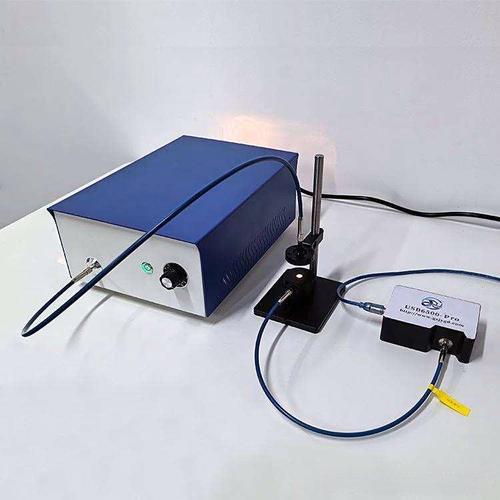
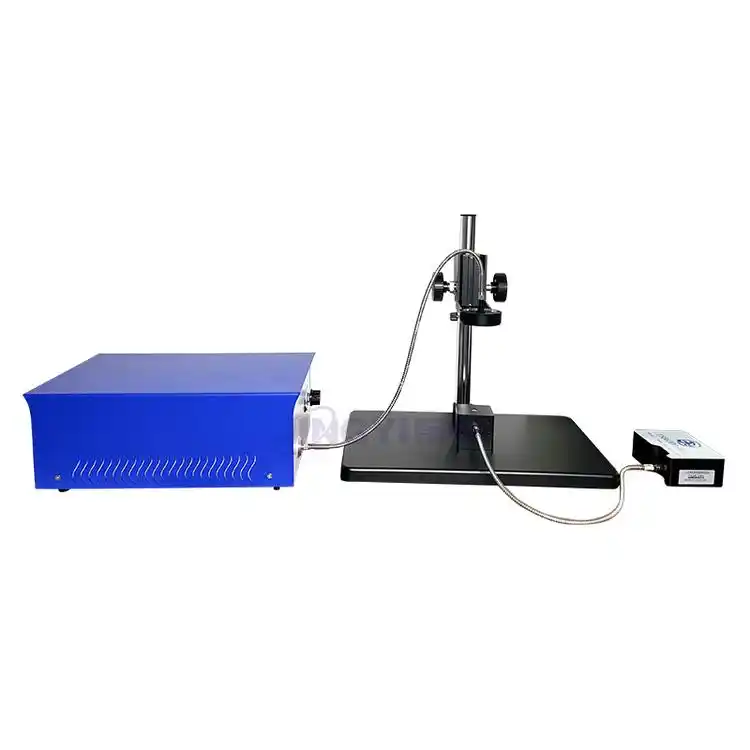


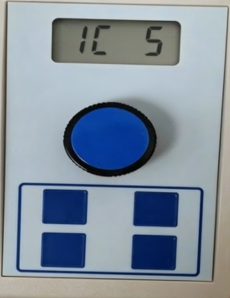
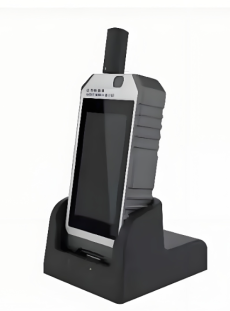
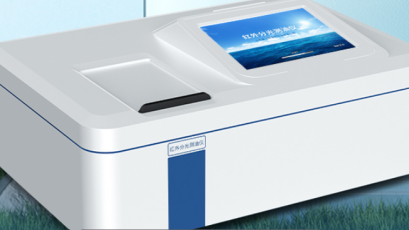
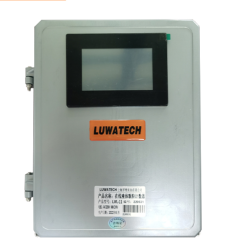
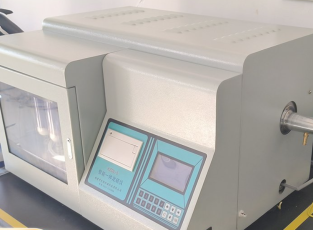

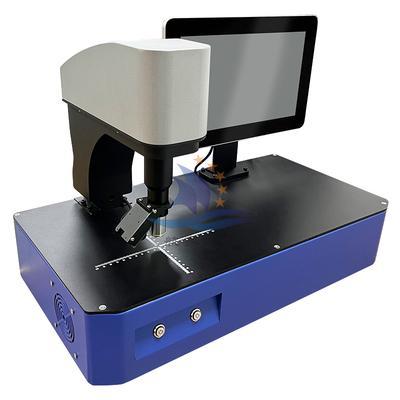
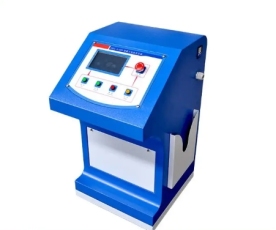
This detector has a compact and lightweight design, with a net weight of only 2.1kg and dimensions of 150*120*80mm, occupying minimal desktop space. It adopts a simple one-key testing operation mode, which is easy to learn and use, even for non-professional users. It has a relatively affordable price, making it accessible to small and medium-sized enterprises and teaching institutions. It supports real-time display of test results and saves up to 1000 sets of test data, meeting the basic data management needs. It is also equipped with a USB interface, supporting data export to computers for further analysis. The compact design makes it easy to store and carry, suitable for mobile testing needs of small enterprises.
The detector has a detection wavelength range of 200nm to 1000nm, covering ultraviolet, visible and near-infrared bands, meeting the basic testing needs of most small-sized optical materials. The transmittance detection accuracy is ±1%, with a resolution of 0.5%. It supports sample sizes from 10*10mm to 30*30mm, suitable for testing small optical components, plastic sheets and other small samples. It is equipped with a 3.5-inch LCD screen, which can clearly display test data and results. The built-in 1000-group data storage module saves complete test data, and the data can be exported via USB 1.1 interface. The operating voltage is 100-240V AC, 50/60Hz, and the operating temperature range is 10℃ - 35℃. The net weight is 2.1kg, and the overall dimensions are 150*120*80mm.
This compact detector is mainly applicable to college and university teaching experiments, small and medium-sized transparent product manufacturers, electronic component testing and other scenarios. In college teaching experiments, it can be used as a teaching aid for optical performance testing experiments, helping students understand the basic principles of optical transmittance testing; in small and medium-sized enterprises, it can be used for incoming material testing and small batch finished product quality control, ensuring that the products meet the basic quality requirements; it can also be used for testing small optical components, such as mobile phone lens samples, camera lens samples and other small optical products.









 Post RFQ


 Chat
Chat


 ALL CATEGORIES