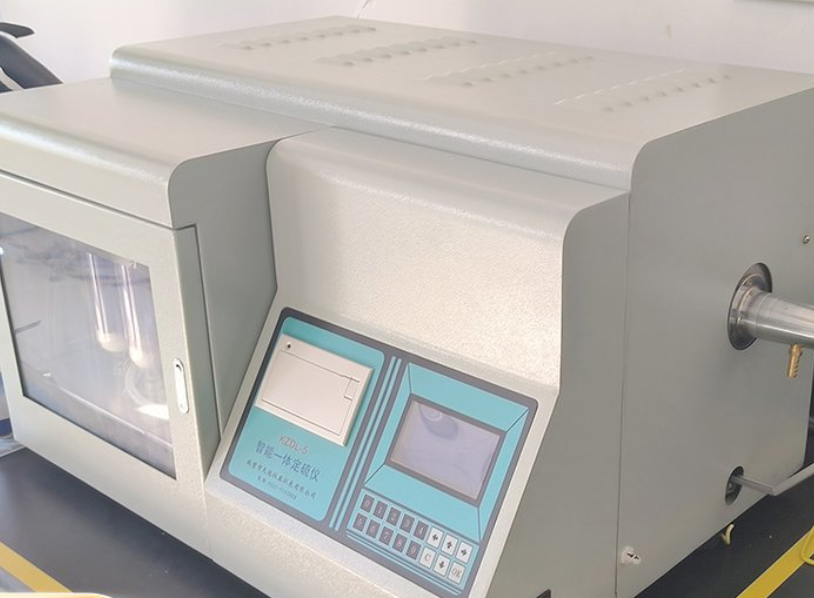
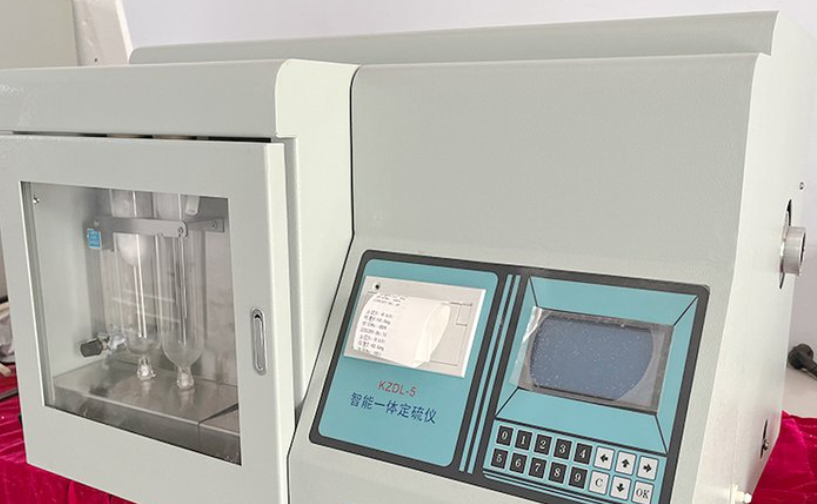


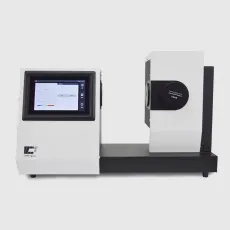


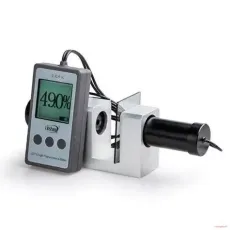

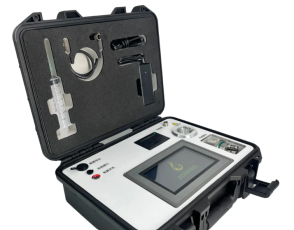
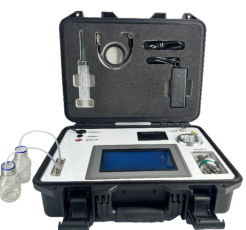
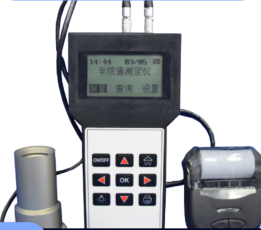
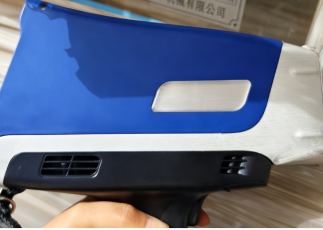
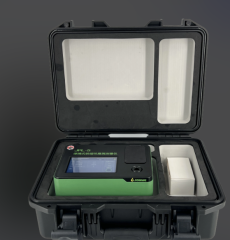
It adopts X-ray Fluorescence (XRF) sensing technology, which can directly detect fuel sulfur content without sample pretreatment, and the detection time is only 30 seconds, greatly improving the efficiency of on-site detection. The body adopts a compact design, with a size of only 220×140×80mm and a weight of 1.8kg, which is convenient to carry to various operation sites. The built-in 9V lithium battery can achieve 10 hours of continuous operation, supporting USB data export, and can quickly upload detection data to the management platform. The equipment adopts radiation-free safety design, meeting the radiation safety standards of most countries around the world. The operation interface is simplified to one-click detection, and no professional training is required to get started quickly, greatly reducing the threshold for use.
Detailed parameters include a detection range of 0~10000ppm total sulfur content, detection accuracy of ±0.01%, single detection time ≤30s, and sample demand of only 1ml. The body size is 220mm (length) × 140mm (width) × 80mm (height), with a net weight of 1.8kg, equipped with a 2.4-inch color display screen, built-in 6000mAh lithium battery, which can support more than 300 consecutive detection times after a single charge. The data storage capacity reaches 2000 sets of detection records, supporting USB data export, passed CE and FCC certifications, with an operating temperature range of 0℃~45℃ and relative humidity 10%~90% without condensation.
It is mainly applicable to scenarios such as vehicle fuel incoming spot check at gas stations, pre-refueling oil product detection of logistics fleets, on-street spot check of vehicle fuel by market supervision departments, and vehicle fuel emission supervision by environmental protection departments. For example, gas stations can quickly complete sulfur content detection when oil products arrive to ensure that the stored oil products meet national emission standards; logistics fleets can quickly detect oil product sulfur content before refueling vehicles, avoiding the use of high-sulfur fuel leading to vehicle emission exceeding standards and equipment damage.








 Post RFQ


 Chat
Chat


 ALL CATEGORIES