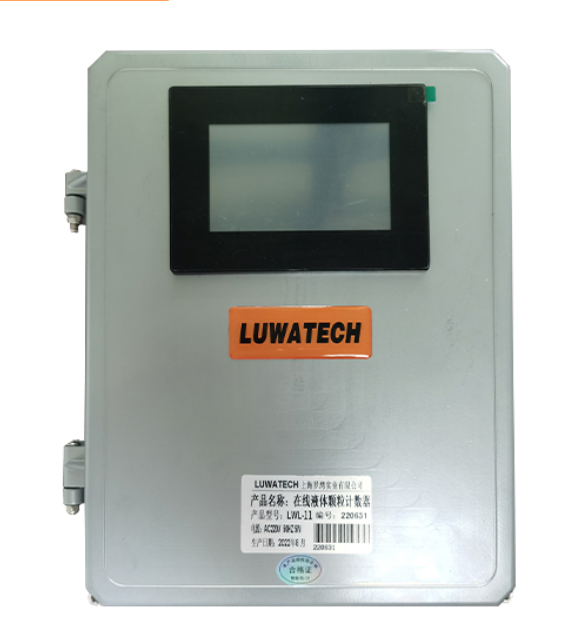
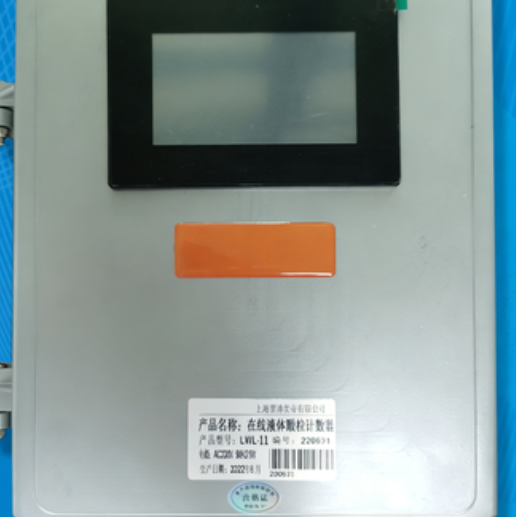


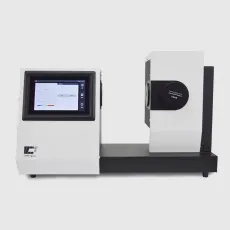
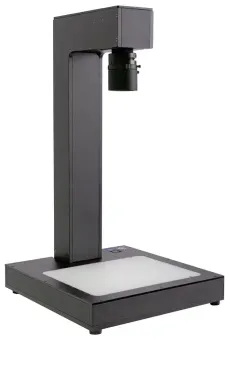

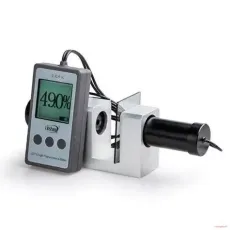

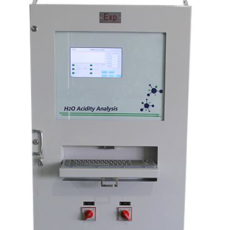
It adopts non-contact spectrum sensing technology, which can realize real-time detection through pipelines without extracting samples. The body structure with ATEX explosion-proof certification can adapt to the industrial pipeline environment of flammable and explosive materials. It supports 4G and Ethernet data transmission, and can synchronize real-time detection data to the enterprise remote monitoring platform, realizing automatic alarm for abnormal conditions. The equipment adopts modular design, and the sensor can be maintained and replaced without stopping the machine, greatly reducing the operation and maintenance cost. It also supports remote calibration and parameter adjustment, and no professional personnel are needed to operate on-site to complete equipment maintenance, greatly improving the usability and stability of online monitoring.
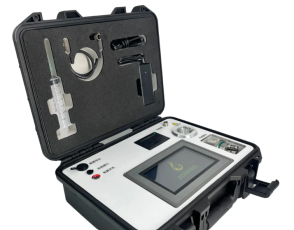
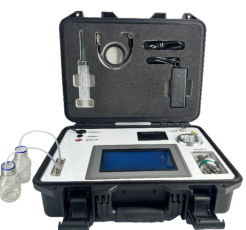
Detailed parameters include a detection range covering octane number 80~100, cetane number 30~70, sulfur content 0~5000ppm, density 600~1000kg/m³, moisture 0~0.5%; the detection accuracy is ±0.03%, supporting real-time online continuous monitoring, and the sample adaptation flow range is 0.5 to 5L/min. It adopts pipeline embedded installation method, adapting to standard pipelines of DN50~DN200; the body size is 400mm (length) × 300mm (width) × 200mm (height), with a net weight of 25kg, equipped with an industrial-grade touch screen, supporting multiple data transmission interfaces such as 4G, Ethernet and RS485, with a protection level of IP65, passed CE and ATEX explosion-proof certifications, and an operating temperature range of -20℃~60℃ and relative humidity 10%~95% without condensation.
It is mainly applicable to scenarios such as online quality monitoring of finished oil product transmission pipelines in petroleum refining plants, inventory oil product quality monitoring of gas station underground oil tanks, fuel pipeline online monitoring of oil product transport ships, and on-board online detection of oil products in finished oil product distribution vehicles. For example, the refinery can monitor the product quality in real time in the finished oil transmission pipeline, adjust the production parameters in time, and ensure that the ex-factory oil products meet the standards; gas stations can monitor the moisture and impurity content of oil products in underground oil tanks in real time, avoiding oil product deterioration affecting sales quality.







 Post RFQ


 Chat
Chat


 ALL CATEGORIES