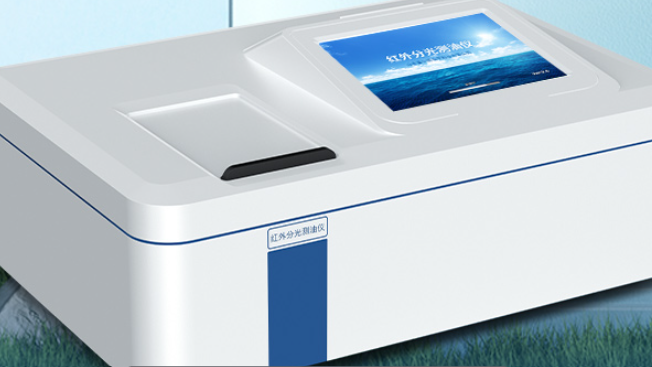
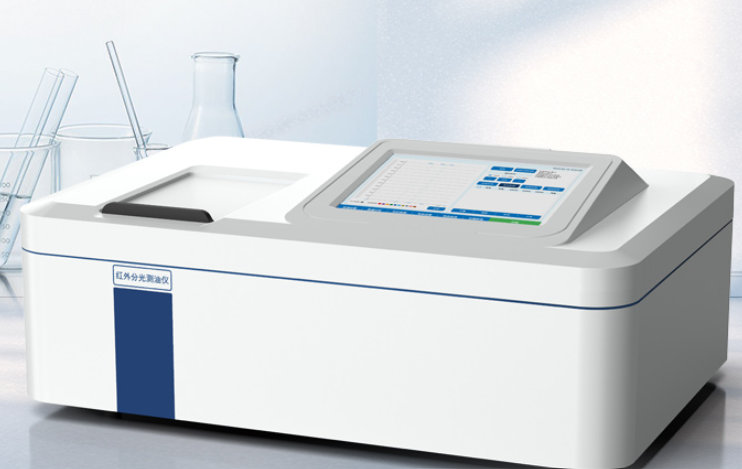


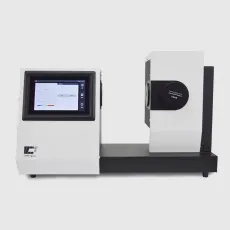
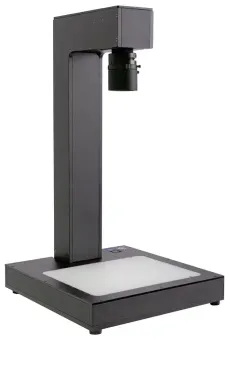

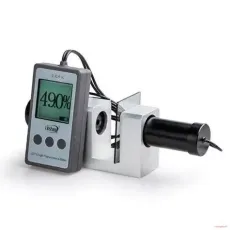

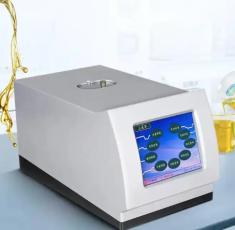
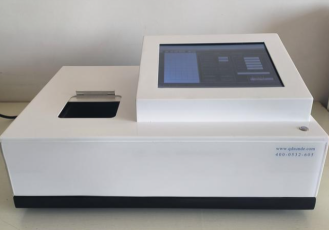
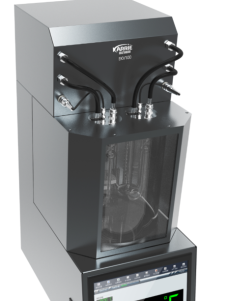
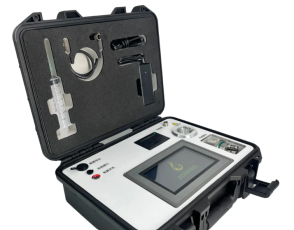
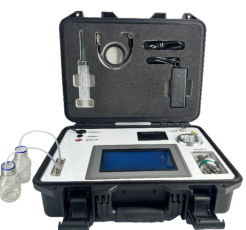
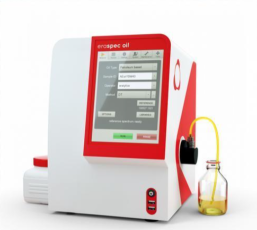
It adopts Fourier Transform Infrared Spectroscopy (FTIR) sensing technology, which can complete the accurate analysis of 6 core indicators of crude oil in a single test without complex sample pretreatment, only requiring 50ml of samples. It is equipped with a 10.4-inch high-definition touch screen, and the supporting professional data analysis software can automatically generate detection reports that meet industry standards, supporting data networking and uploading to the laboratory management system. The body adopts a fully metal protective structure with good anti-seismic and dust-proof performance, and has passed ISO 17025 and CE certifications, meeting the standards of the global petroleum quality inspection industry. It is also equipped with professional calibration kits to regularly calibrate the equipment and ensure the accuracy of long-term detection results.
Detailed parameters include a detection range covering density 600~1200kg/m³, kinematic viscosity 1~1000mm²/s, sulfur content 0.001%~10%, acid value 0.01~20mg KOH/g, moisture content 0~10%, wax content 0~20%; the detection accuracy is ±0.02% for core indicators, the single detection time is 5 to 10 minutes, and the sample demand is 50ml per batch. The body size is 650mm (length) × 550mm (width) × 450mm (height), with a net weight of 85kg, equipped with a 10.4-inch color touch screen, built-in professional crude oil data analysis software, and the data storage capacity reaches 50000 sets of detection records. It supports multiple data transmission interfaces such as Ethernet, USB and RS232, with an operating temperature range of 18℃ to 28℃ and a relative humidity of 30%~70%, suitable for standard laboratory environment use.
It is mainly applicable to scenarios such as incoming material quality inspection of crude oil by petroleum refining enterprises, third-party testing for crude oil trade settlement, crude oil performance research by research institutes, and crude oil quality assessment at oilfield exploitation sites. For example, refining enterprises can complete comprehensive quality inspection when crude oil enters the factory to control the quality of raw materials; crude oil trading parties can complete quality verification before settlement through this equipment to avoid trade disputes; research institutes can carry out relevant research on crude oil components and performance through this equipment, improving research and development efficiency.








 Post RFQ


 Chat
Chat


 ALL CATEGORIES