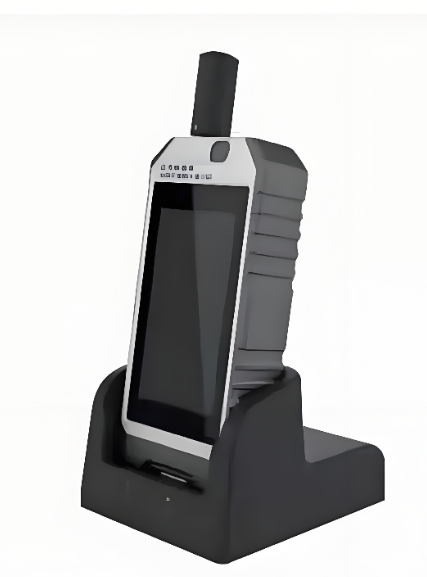
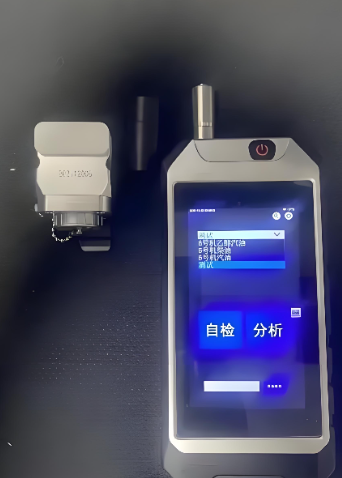


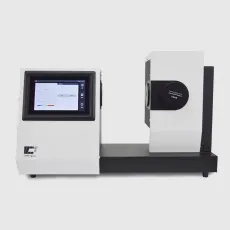
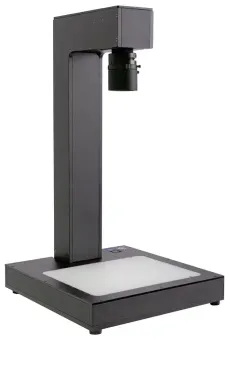

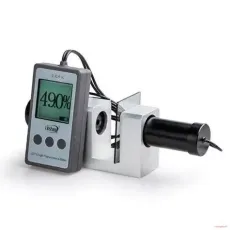

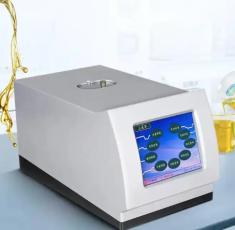
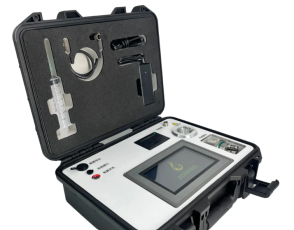
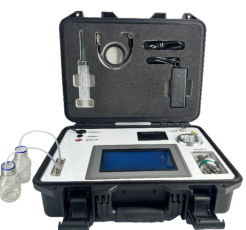
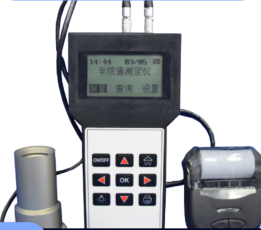
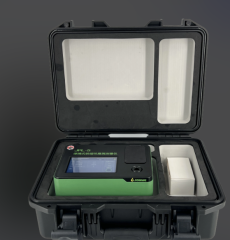
The core highlight is the adoption of micro-spectrum sensing technology, which can directly extract a small amount of oil for detection without complex sample pretreatment. The built-in Bluetooth 5.0 interface can synchronize detection data to the management platform in real time, supporting one-click generation of detection reports. The body has been lightweight designed for on-site operation scenarios, with a weight of only 3.2kg and a built-in 12V lithium battery that can achieve 8 hours of continuous operation, solving the problem that traditional large analyzers cannot be used for mobile detection. It also has CE and FCC dual certifications, adapting to the usage standards of most countries around the world. The operation interface has been simplified for non-professionals, so beginners can get started quickly, greatly reducing the threshold for use.
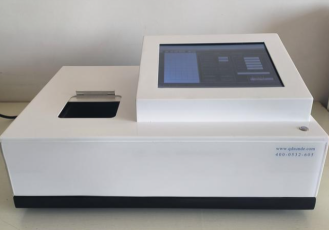
Detailed parameters include a detection range covering cetane number 30~70, moisture content 0~0.5%, sulfur content 0~5000ppm, density 600~1000kg/m³; the body size is 280mm (length) × 180mm (width) × 105mm (height), with a net weight of 3.2kg, equipped with a 4.3-inch TFT color touch screen, built-in 10000mAh lithium battery, which can support more than 150 consecutive detection times after a single charge. The data storage capacity reaches 10000 sets of detection records, supporting USB export and Bluetooth 5.0 wireless transmission. The operating temperature range is -10℃ to 50℃, relative humidity 10%~90% without condensation, and the protection level is IP54, which can cope with mild outdoor harsh environments.
It is mainly applicable to scenarios such as incoming material spot check of oil products at gas stations, self-inspection of diesel quality by logistics fleets, on-site law enforcement spot check by market supervision departments, and fuel quality detection of port ships. For example, gas stations can quickly complete multiple indicator tests when oil products arrive to avoid receiving unqualified batches; logistics fleets can quickly verify oil product quality after refueling vehicles to prevent equipment damage caused by adding inferior fuel; market supervision departments can carry equipment to conduct on-street spot checks, improving supervision efficiency and coverage.








 Post RFQ


 Chat
Chat


 ALL CATEGORIES