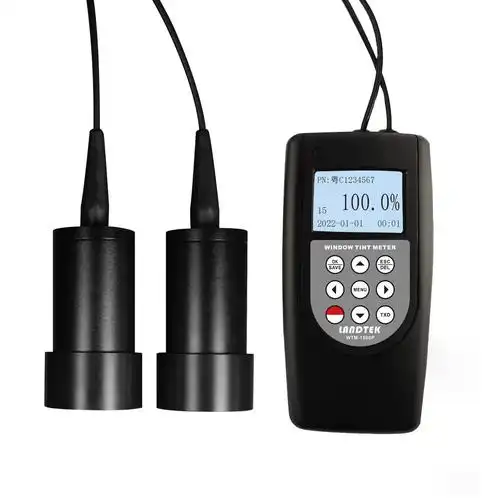
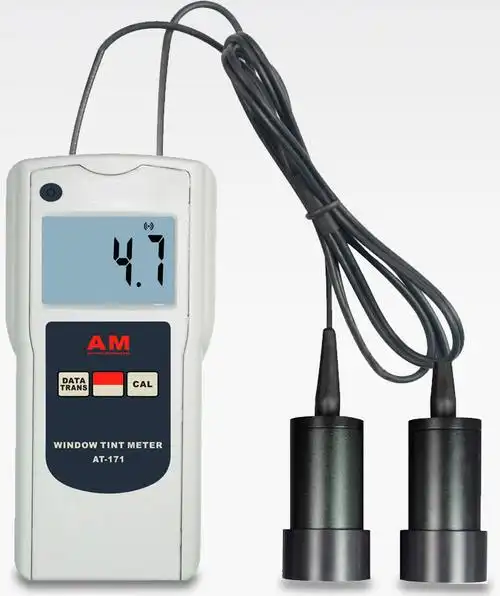



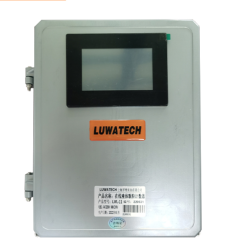
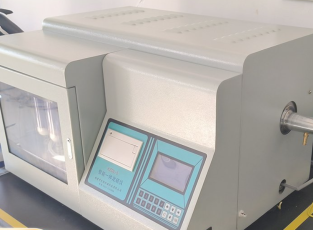

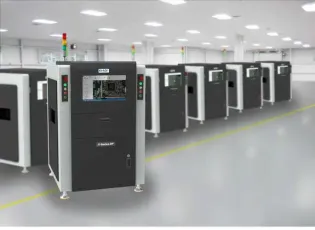
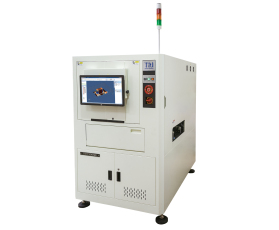
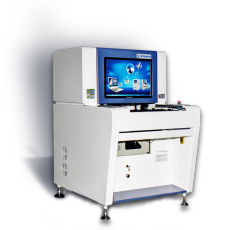
It adopts IP65 protection grade body design, which can adapt to the industrial environment of workshop humidity and dust. It supports online installation on the production line, and can complete real-time testing without cutting off the production process. The detection wavelength covers 400-1000nm, adapting to the transmittance testing needs of most industrial production samples, with a measurement accuracy of ±0.3% and a single testing time of ≤1 second. It supports two data transmission methods of Ethernet and 4G, and can upload testing data to the factory MES system in real time to realize real-time monitoring and early warning of quality data. When the transmittance exceeds the threshold, it will automatically trigger the alarm device to help enterprises adjust production parameters in time. It has passed CE and UL certifications, meeting the safety standards of the global industrial market.
The detection wavelength range is 400-1000nm, the transmittance measurement range is 0-100%, the sensor installation distance is 50mm, and the maximum applicable sample width is 300mm. It supports a sample flow rate of 0.5-5L/min, the body has IP65 protection grade, the size is 300mm*200mm*150mm, and the total weight is 8kg. It uses AC 220V industrial power supply. It supports Ethernet and 4G data transmission, and can remotely view testing data and equipment operating status. The working temperature range is -10-50℃, and the relative humidity is ≤90% without condensation. It adopts buckle-type pipeline installation without complicated civil engineering work.
It is suitable for real-time testing of film transmittance in plastic film production lines, testing the transmittance performance of packaging films in food packaging production lines, testing the transmittance of flat glass in glass product production lines, testing the transmittance effect of non-woven fabrics in non-woven fabric production enterprises, and other industrial production scenarios requiring online quality inspection, realizing full-process quality control of the production process and reducing the output of unqualified products.








 Post RFQ


 Chat
Chat


 ALL CATEGORIES