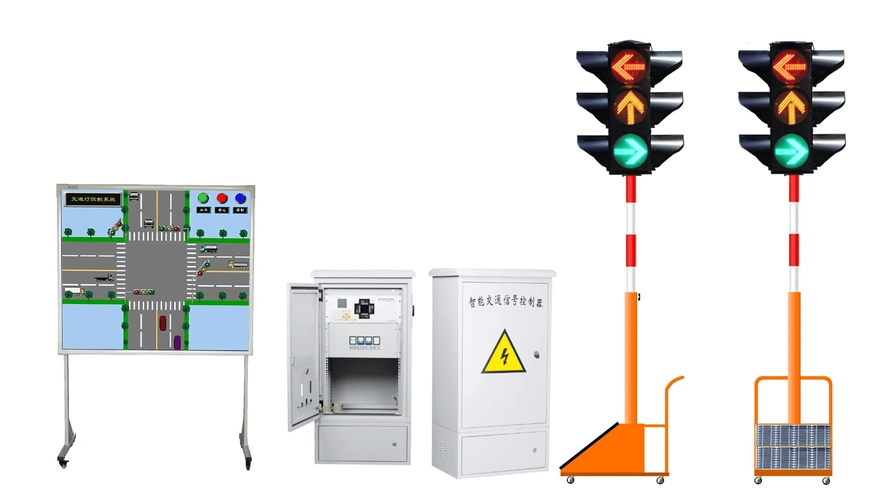





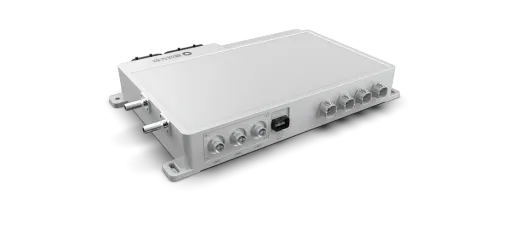
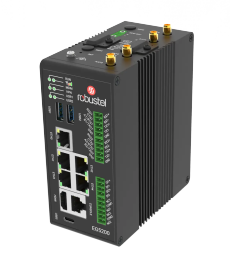
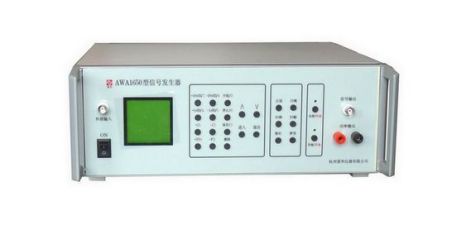
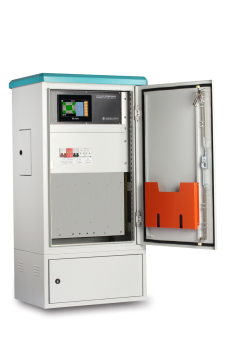
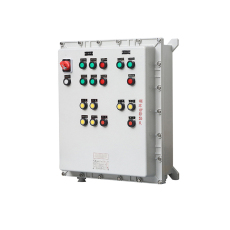
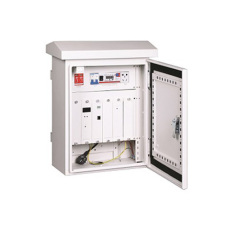
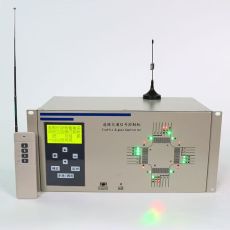
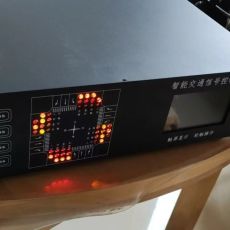
The key advantage of this signal controller is its AI adaptive control system, which analyzes real-time traffic data collected by connected loop detectors, camera sensors, and radar to dynamically adjust phase duration and green wave band timing. Unlike traditional fixed-timing signal machines, it can automatically respond to peak-hour traffic surges, morning and evening commuting flows, and special events such as parades or emergency vehicle passages. The 5G communication module ensures low-latency data transmission to the cloud platform, enabling municipal traffic management centers to implement unified green wave control for entire arterial roads, reducing stop-and-go traffic and fuel consumption. The device also supports emergency preemption functions for ambulances and fire trucks, prioritizing their passage to save rescue time. The rugged IP67 housing ensures stable operation in extreme weather such as heavy rain, snow, and high temperatures.
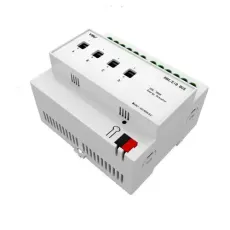
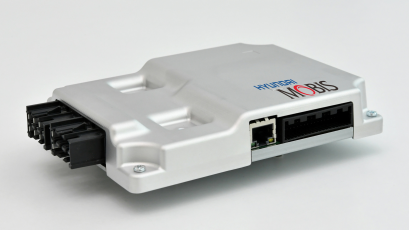
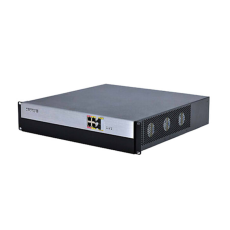
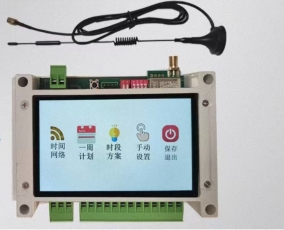
The AI adaptive traffic signal controller has a housing dimension of 800mm (height) × 600mm (width) × 300mm (depth), with a net weight of 45kg. It is equipped with a quad-core industrial processor and 8GB of memory, capable of processing 10,000+ traffic data points per second. The solar supplementary power system uses a 150W monocrystalline silicon panel, providing backup power for 24 hours in case of municipal power outage. The signal light output supports up to 16 phases, compatible with various traffic light configurations including left-turn dedicated phases and pedestrian scramble signals. The operating temperature range is -30℃ to 70℃, suitable for use in cold northern regions and hot southern areas of China. The device also has built-in fault self-detection functions, automatically sending alarm messages to the cloud platform in case of circuit failures or sensor malfunctions.
This product is primarily applied to urban main arteries with high traffic volume, such as central business district crossroads, expressway entrance and exit connections, and commuting corridors connecting residential areas to downtown areas. In first-tier cities like Beijing, Shanghai, and Guangzhou, it can be integrated with the municipal intelligent traffic management platform to form a city-wide green wave network, significantly reducing commuting time for residents. It is also suitable for large-scale commercial complexes, airport access roads, and high-speed rail station surrounding roads, where traffic flow fluctuates greatly throughout the day. Additionally, it can be used in tourist cities during peak travel seasons to manage sudden surges of tourist vehicles, ensuring smooth traffic operation in scenic areas and surrounding roads.







 Post RFQ


 Chat
Chat


 ALL CATEGORIES