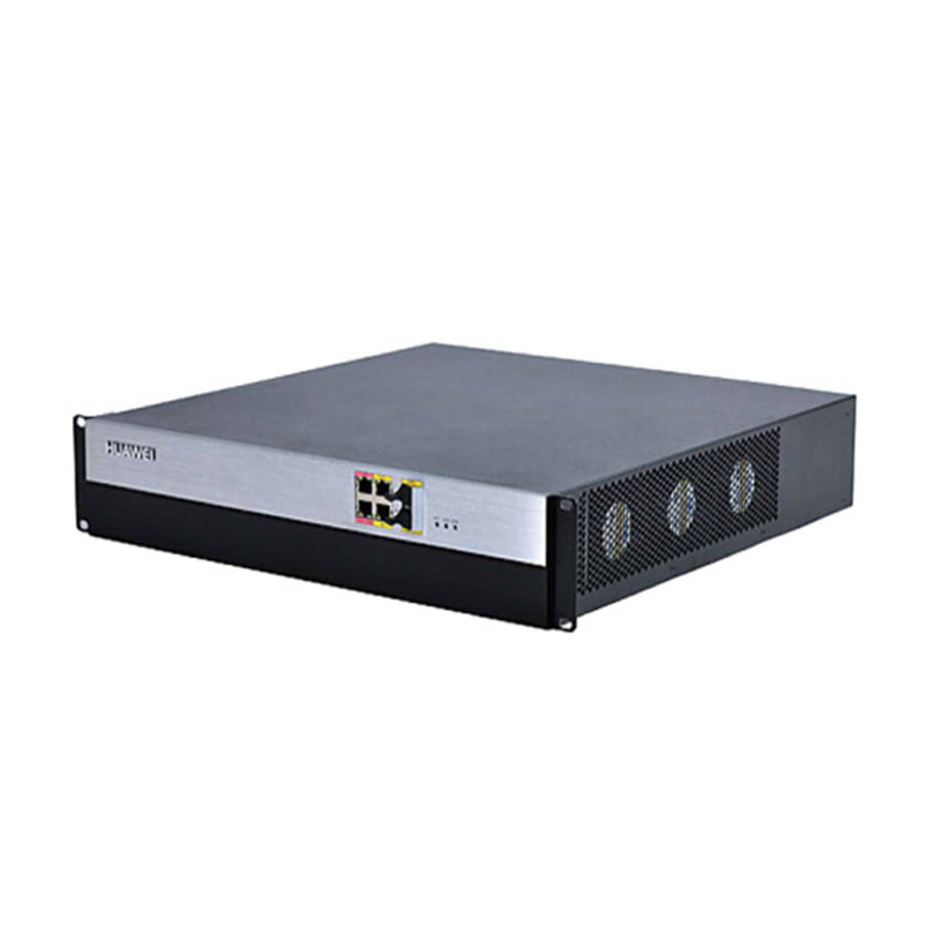
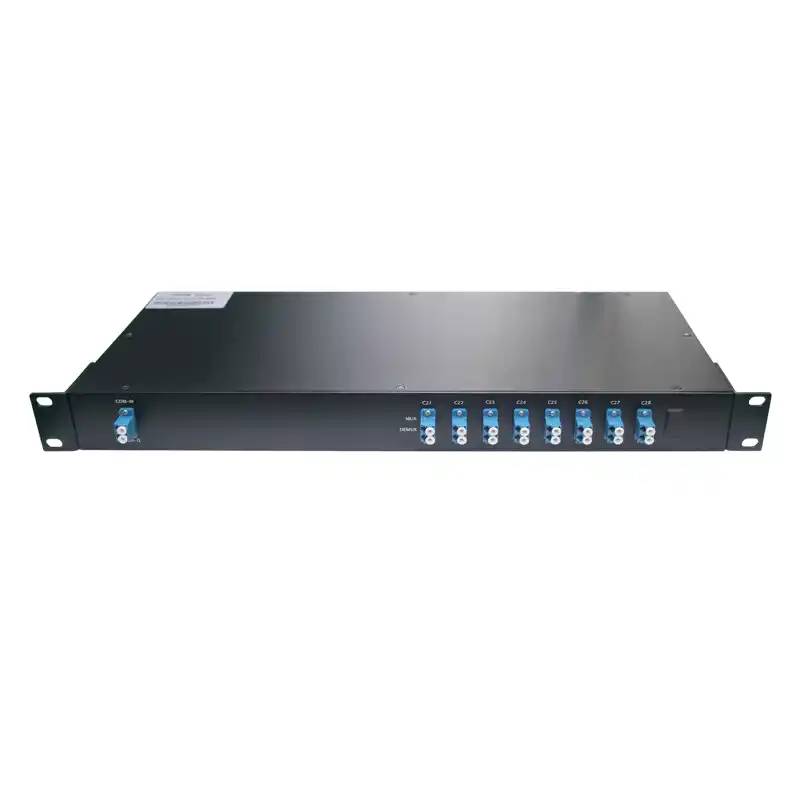





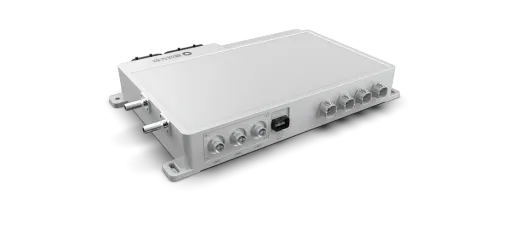
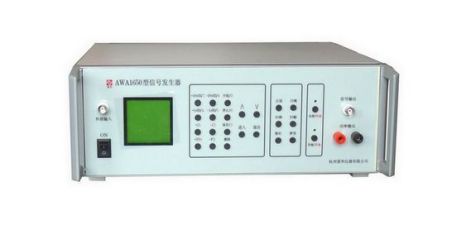
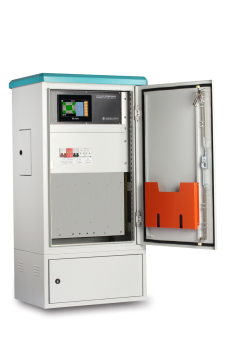
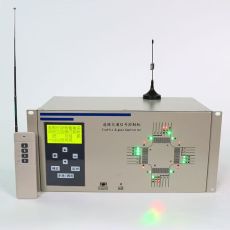
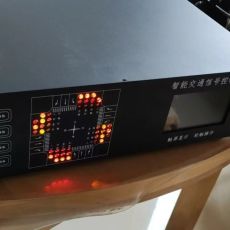
The standout feature of this controller is its multi-mode coordination system, which can be customized to meet different regional traffic management goals, such as prioritizing public transit, reducing peak-hour congestion, or supporting special event traffic diversion. It uses optical fiber communication to ensure low-latency synchronization between linked intersections, with a synchronization accuracy of ≤50ms, ensuring smooth green wave corridors for through traffic. The device supports integration with public transit signal priority systems, granting extended green light duration to buses and trams to improve on-time performance. Its 16GB flash storage can store up to 12 months of regional traffic flow data, allowing traffic managers to analyze long-term trends and optimize coordination strategies. Additionally, it has a redundant power supply system to ensure uninterrupted operation during grid outages, maintaining coordinated traffic control for critical regional intersections.
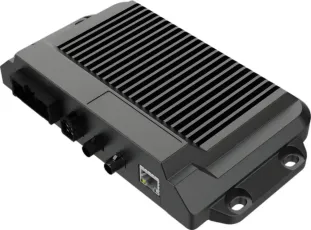
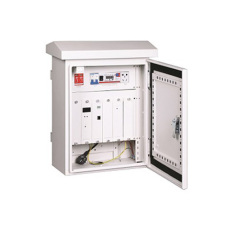
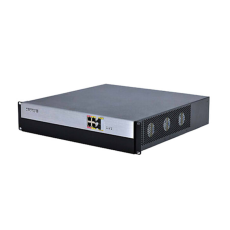
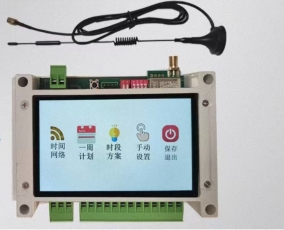
Measuring 550mm (L) × 450mm (W) × 300mm (H) and weighing 35kg, this controller is designed for installation in standard traffic control cabinets. It operates on AC 110-240V power with a DC 24V 15Ah backup battery that provides 10 hours of continuous operation during power failures. The 20 configurable phase outputs support up to 10 vehicle lanes and 4 pedestrian crossings, covering complex intersection layouts in dense urban areas. Its operating temperature range of -40°C to +70°C allows it to function reliably in extreme weather conditions. The device includes multiple communication interfaces, including optical fiber, Ethernet, and CAN bus, enabling seamless integration with regional traffic management platforms and third-party traffic analysis software. It meets IP65 protection standards, providing protection against dust and splashing water, and its powder-coated galvanized steel housing offers long-term corrosion resistance.
This multi-mode coordinated traffic controller is essential for dense urban central business districts, where regional traffic synchronization can significantly reduce vehicle queuing and improve overall travel efficiency. It is also suitable for commercial shopping mall clusters, where it can optimize traffic flow during peak shopping periods to reduce parking lot access congestion. University campuses with large internal road networks benefit from this device’s ability to coordinate traffic between multiple intersections, ensuring safe and efficient movement for students, faculty, and visitors. Additionally, it can be used in areas hosting large-scale events, such as sports stadiums or exhibition centers, to implement temporary traffic diversion strategies and manage large volumes of event-related traffic. Municipal traffic management departments, urban planning agencies, and large commercial property operators are the primary target users for this advanced traffic control solution.







 Post RFQ


 Chat
Chat


 ALL CATEGORIES