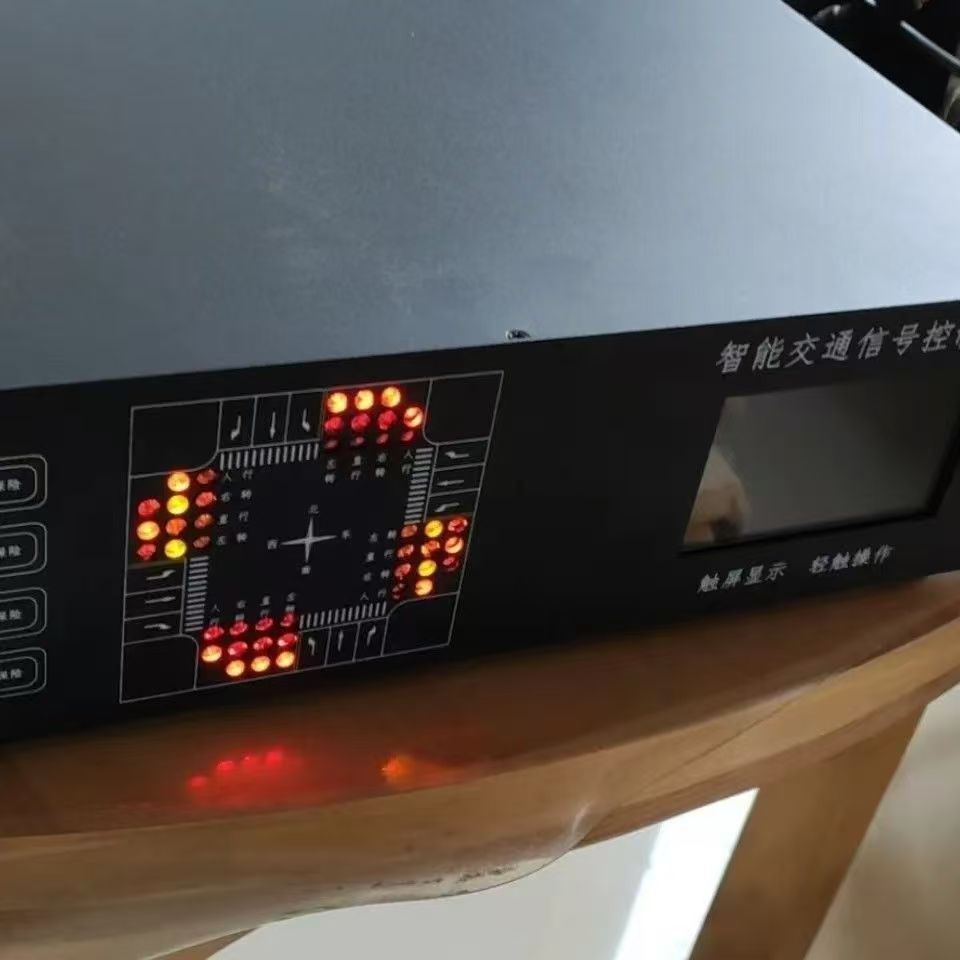
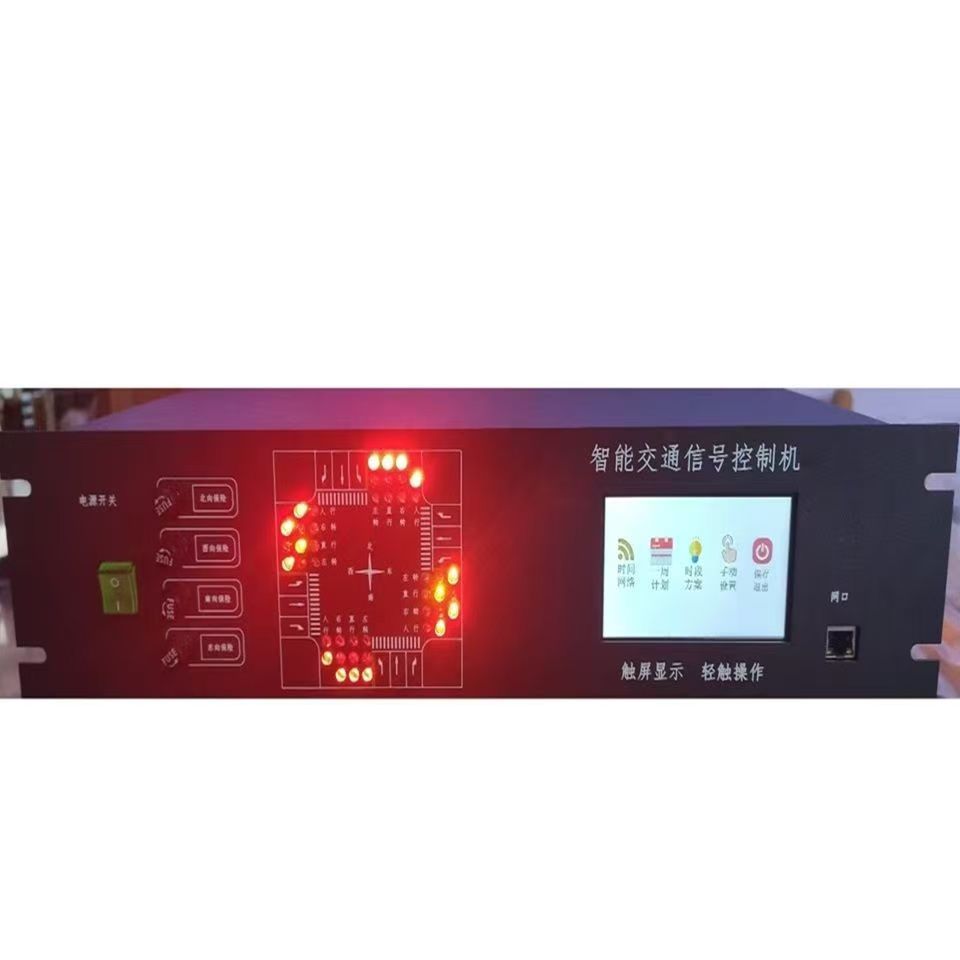





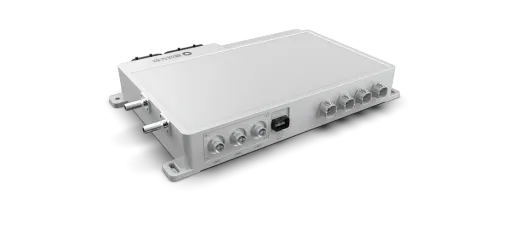
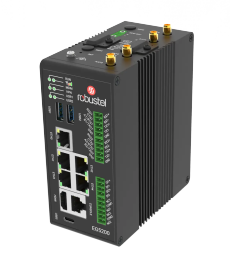
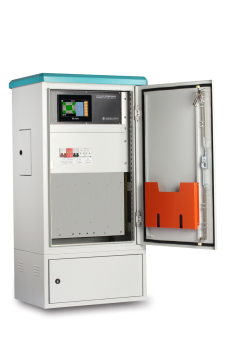
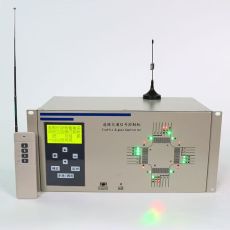
The core feature of this controller is its multi-channel emergency trigger system, which combines RFID tag detection, GPS real-time positioning, and dedicated radio frequency communication to ensure accurate and fast detection of emergency vehicles, with a false trigger rate of less than 0.1%. It can automatically revert to normal signal timing after the emergency vehicle passes, avoiding disruption to regular traffic flow. The device complies with NFPA 1221 standards for emergency vehicle traffic control, ensuring it meets strict public safety requirements. Its IP66-rated stainless steel housing provides protection against heavy rain, dust, and physical impact, making it suitable for installation in harsh outdoor environments. Additionally, it supports real-time event logging and cloud-based data synchronization, allowing emergency management teams to analyze response times and optimize traffic signal configurations for better emergency access efficiency.
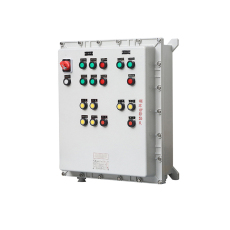
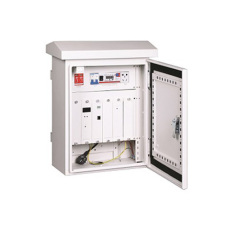
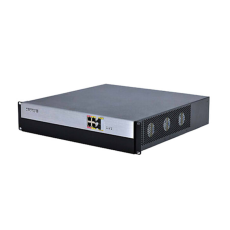
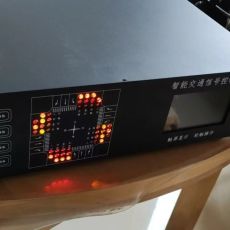
With dimensions of 500mm (L) × 400mm (W) × 250mm (H) and a weight of 30kg, this controller is built for durability and reliability. It operates on AC 110-240V power with a DC 24V 10Ah backup battery that provides 12 hours of continuous operation during power outages. The phase switching time of ≤50ms ensures emergency vehicles can pass through intersections without stopping, reducing response times by up to 40% compared to traditional controllers. It supports up to 12 configurable phases, covering complex intersection layouts with multiple vehicle lanes and pedestrian crossings. The device includes 4 emergency trigger input ports and 2 communication ports for connecting to emergency vehicle dispatch systems. Its operating temperature range of -40°C to +75°C allows it to function in extreme cold and hot climates, while the anti-vandal coating on the stainless steel housing prevents damage from intentional tampering or accidental impacts.
This emergency priority traffic controller is essential for public safety infrastructure, particularly at intersections near hospitals, where reducing emergency vehicle response times can directly impact patient survival rates. It is also ideal for fire station exits, ensuring fire trucks can quickly access main roads during fire emergencies. Urban arterial roads with high emergency vehicle traffic volume, such as those near police stations and emergency medical service (EMS) depots, benefit from this device’s ability to prioritize emergency access without causing excessive disruption to regular traffic. Additionally, it can be deployed in disaster response zones to manage traffic flow and ensure emergency supplies and rescue vehicles can reach affected areas quickly. Municipal emergency management departments, fire departments, and hospital administration teams are the primary target users for this specialized traffic control solution.








 Post RFQ


 Chat
Chat


 ALL CATEGORIES