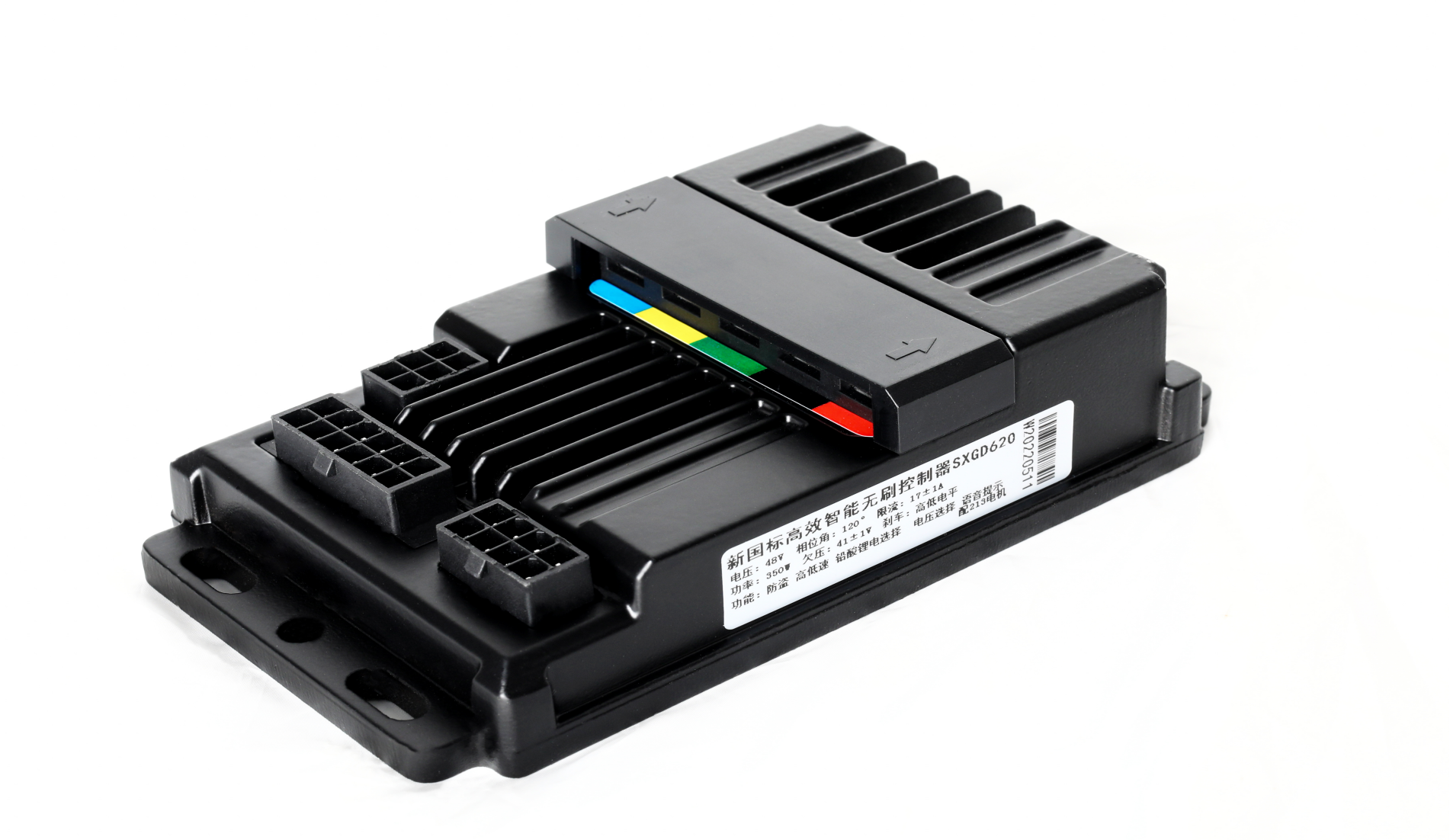




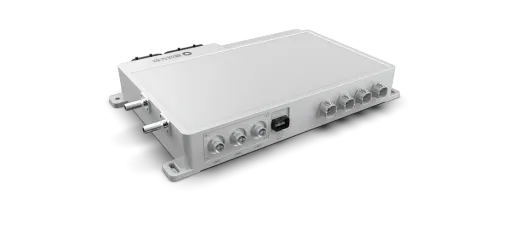
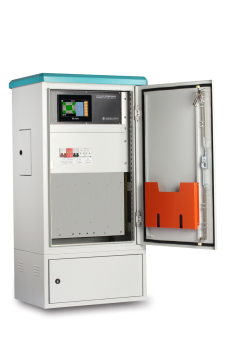
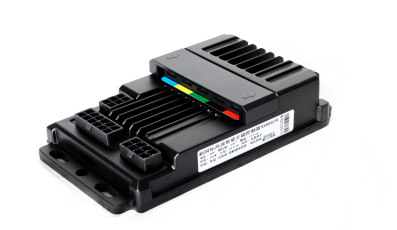
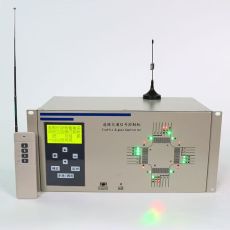
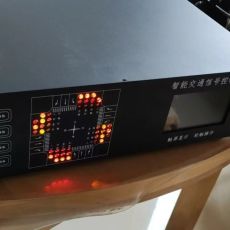
The core advantage of this controller is its modular design, which provides flexibility and scalability. Users can start with a basic configuration of 4 intersections and expand to 24 intersections by adding signal output modules, without replacing the main controller unit. The hot-swappable feature allows for module replacement in less than 5 minutes, ensuring that traffic operations are not disrupted during maintenance. Its multi-protocol communication capability supports 5G, LoRa, and Zigbee, enabling seamless integration with modern smart city platforms and IoT devices such as pedestrian detection sensors, vehicle-to-infrastructure (V2I) systems, and traffic monitoring cameras. Additionally, the OTA software update mode allows for individual module updates, ensuring that each component has the latest features and security patches without affecting the entire system.
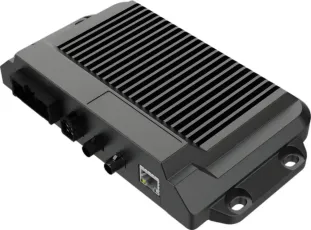
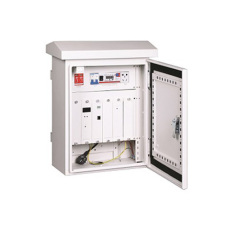
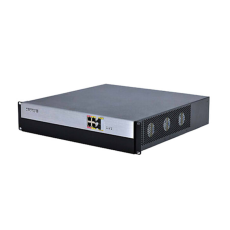
The main controller unit measures 500mm (L) × 400mm (W) × 160mm (H) and weighs 25kg, with each additional module weighing between 2kg and 5kg depending on type. It operates within a temperature range of -40°C to +70°C and has an IP65 protection rating, ensuring reliability in extreme weather conditions. Each signal output module supports 4 intersections, with 12 channels of signal output per intersection. The communication module supports 5G, LoRa, and Zigbee, providing high-speed connectivity for cloud-based management and IoT integration. The detection module is compatible with third-party sensors including loop detectors, camera-based detection systems, and pedestrian push buttons. The modular UPS backup system can be expanded to provide up to 24 hours of uninterrupted operation, with each power module supporting 8 hours of backup. All modules are RoHS-compliant and come with a 3-year warranty.
This modular expandable traffic signal controller is ideal for growing urban areas, new residential developments, and smart city projects where traffic demands are expected to increase over time. Municipal transportation departments can deploy it to manage traffic in newly developed suburbs, starting with a small number of intersections and expanding as the area grows. Smart city solution providers can integrate it into comprehensive traffic management platforms, adding modules to support new technologies such as V2I systems and autonomous vehicle traffic management. It is also suitable for use in large-scale industrial parks, port areas, and airport grounds, where traffic demands can vary significantly based on production schedules or flight operations. Additionally, it can be used in temporary traffic control projects, where modules can be reconfigured and reused for different sites, reducing waste and operational costs.







 Post RFQ


 Chat
Chat


 ALL CATEGORIES