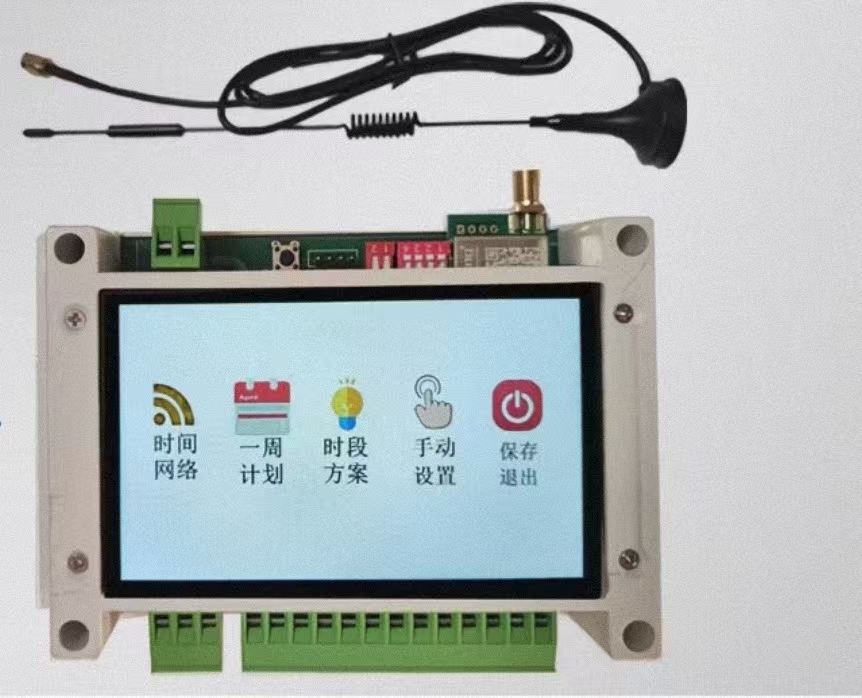





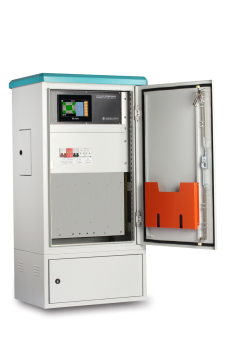
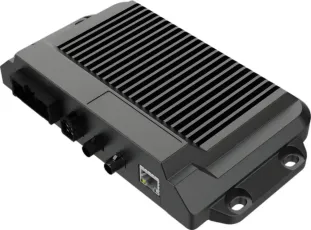
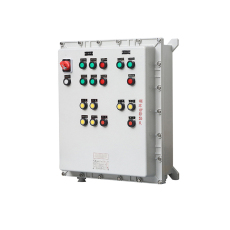
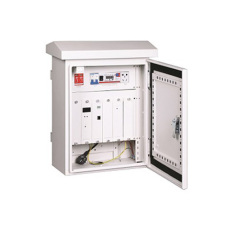
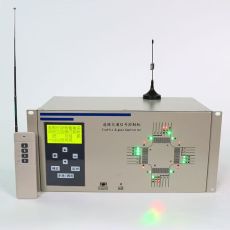
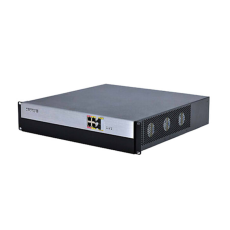
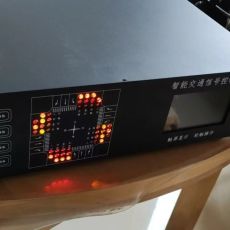
The core feature of this signal controller is its emergency preemption system, which uses RFID tags installed on rescue vehicles (ambulances, fire trucks, police cars) to automatically detect approaching vehicles and trigger green light priority for the entire intersection, even overriding normal timing plans. It also supports manual priority activation via a remote control or the 4G-connected municipal emergency center, ensuring flexibility in emergency scenarios. The high-strength aluminum alloy housing is lightweight yet durable, with IP67 protection to withstand harsh weather conditions. Unlike general signal machines, it prioritizes emergency response speed, with a preemption response time of less than 1 second, ensuring rescue vehicles can pass through intersections without stopping. The device also records all emergency preemption events for post-event review and optimization of emergency route planning.
The emergency priority traffic signal controller has a housing dimension of 750mm (height) × 550mm (width) × 280mm (depth), with a net weight of 32kg. It supports up to 12 phases, compatible with complex intersection configurations including left-turn, straight, and pedestrian phases. The backup battery provides 48 hours of continuous operation in case of municipal power outage, ensuring emergency functions remain available during blackouts. The RFID detection range is up to 200 meters, allowing the signal controller to trigger green light priority before the rescue vehicle reaches the intersection. The 4G communication module enables remote monitoring and control by the municipal emergency management center, allowing real-time activation of priority for multiple intersections along the rescue route to form a green wave. The operating temperature range is -30℃ to 70℃, suitable for use in all climate zones across the country.
This product is primarily installed at intersections within 1 kilometer of hospitals, ensuring ambulances can reach the hospital or transport patients to medical facilities without traffic delays. For fire stations, it is set up at nearby intersections, allowing fire trucks to quickly respond to fire alarms and reach disaster sites in the shortest time. It is also deployed on designated urban emergency rescue routes, such as roads connecting fire stations, hospitals, and emergency shelters, forming a priority passage network for rescue vehicles. In addition, it can be used in large-scale event venues, such as stadiums and concert halls, to prioritize emergency vehicle passage in case of crowd accidents or medical emergencies. The emergency event recording function helps traffic management departments analyze rescue route efficiency and optimize signal timing plans to further reduce rescue response time.







 Post RFQ


 Chat
Chat


 ALL CATEGORIES