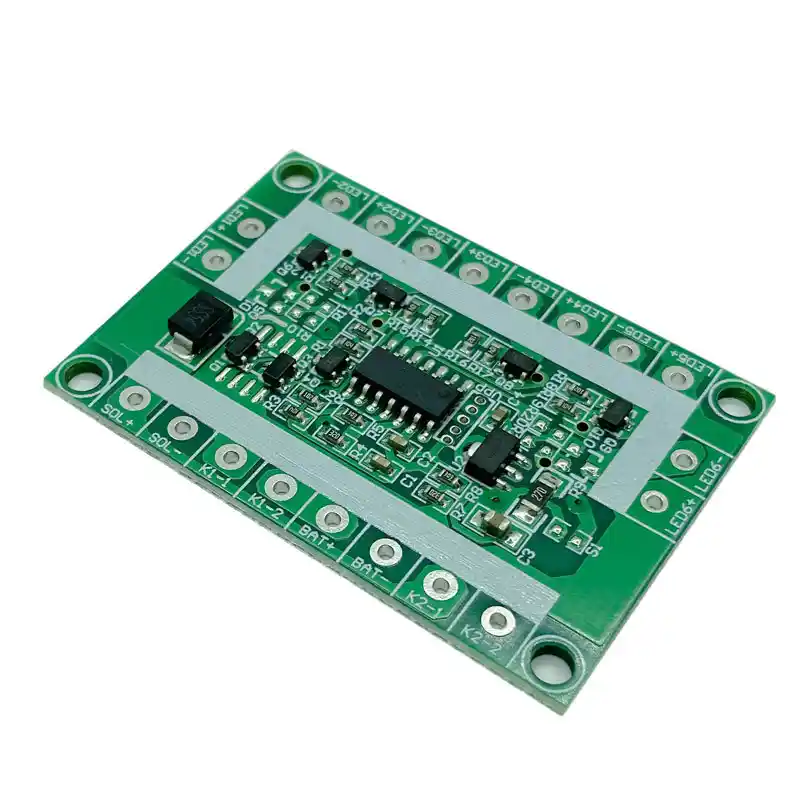





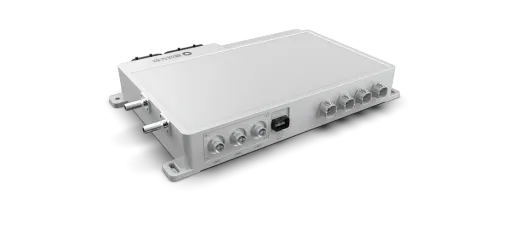
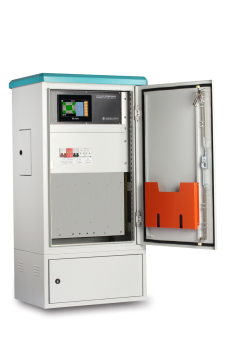
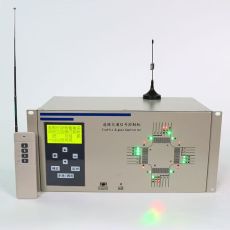
The key features of this controller are its self-sustaining power system and low-cost design, which address the unique challenges of rural traffic management. The IP66-rated ABS plastic housing is lightweight, corrosion-resistant, and easy to install, eliminating the need for heavy equipment during setup. Its light-controlled mode reduces power consumption by dimming signal lights during nighttime, extending battery life and ensuring reliable operation. The manual override panel allows local maintenance personnel to adjust signal timings without specialized training, making it accessible for rural areas with limited technical resources. Additionally, it supports optional grid backup for areas with partial grid access, providing flexibility for different rural scenarios. The built-in battery management system prevents overcharging and over-discharging, extending the battery lifespan to 5 years, which is 20% longer than standard lead-acid batteries used in similar products.
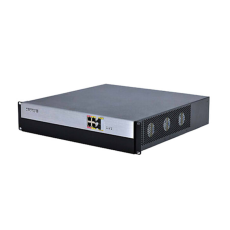
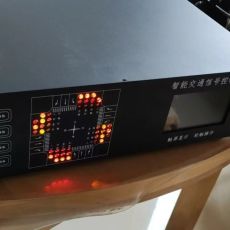
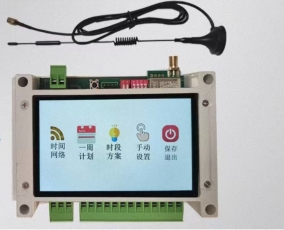
Measuring 320mm (L) × 250mm (W) × 120mm (H) and weighing 12kg, this compact controller can be easily mounted on existing traffic poles or walls without additional structural support. The 100W monocrystalline solar panel has a conversion efficiency of 22%, ensuring fast battery charging even in low-light conditions. The 100Ah lead-acid battery provides enough power to operate 4 intersection signals for up to 7 days without sunlight. It supports 4 channels of signal output for vehicle lights and pedestrian signals, with each channel offering adjustable brightness levels. The operation mode includes pre-set timing plans for morning, afternoon, evening, and nighttime, as well as a manual mode for emergency traffic control. The device operates within a temperature range of -30°C to +65°C and is resistant to UV radiation, rain, and dust, making it suitable for harsh rural environments. All components are RoHS-compliant, and the product comes with a 2-year warranty.
This solar-powered controller is primarily used in rural intersections with low to moderate traffic volume, such as crossroads between farmlands, small town entrances, and rural school zones. It is also ideal for temporary traffic control at construction sites, road repair projects, and rural event venues where grid power is unavailable. County transportation departments can deploy it to improve traffic safety in areas where traditional grid-connected signal controllers are too expensive to install. Additionally, it can be used in wildlife crossing areas to alert drivers of animal presence by triggering flashing signals when motion sensors detect wildlife. For road construction companies, it provides a portable, self-sustaining solution for directing traffic around work zones without relying on generators or temporary power lines, reducing operational costs and environmental impact.







 Post RFQ


 Chat
Chat


 ALL CATEGORIES