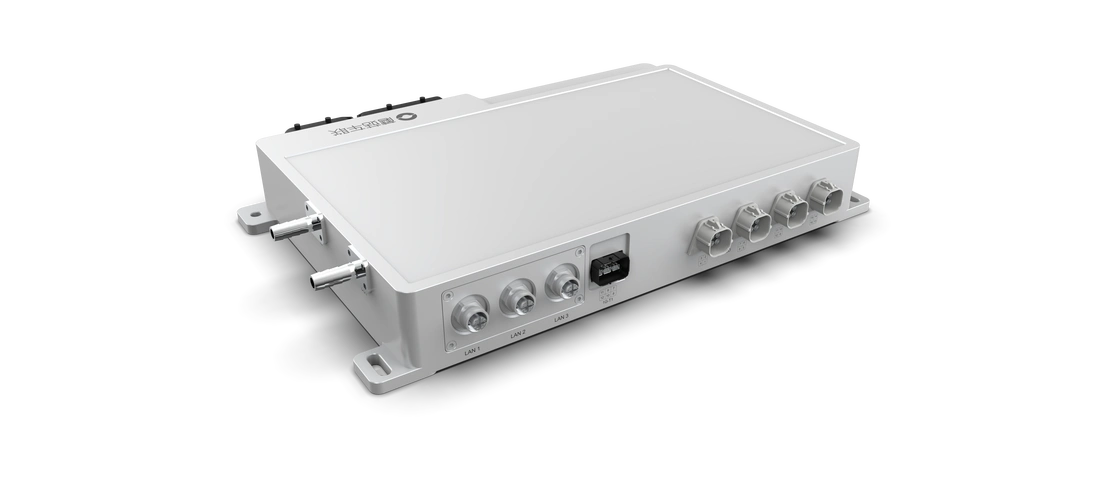
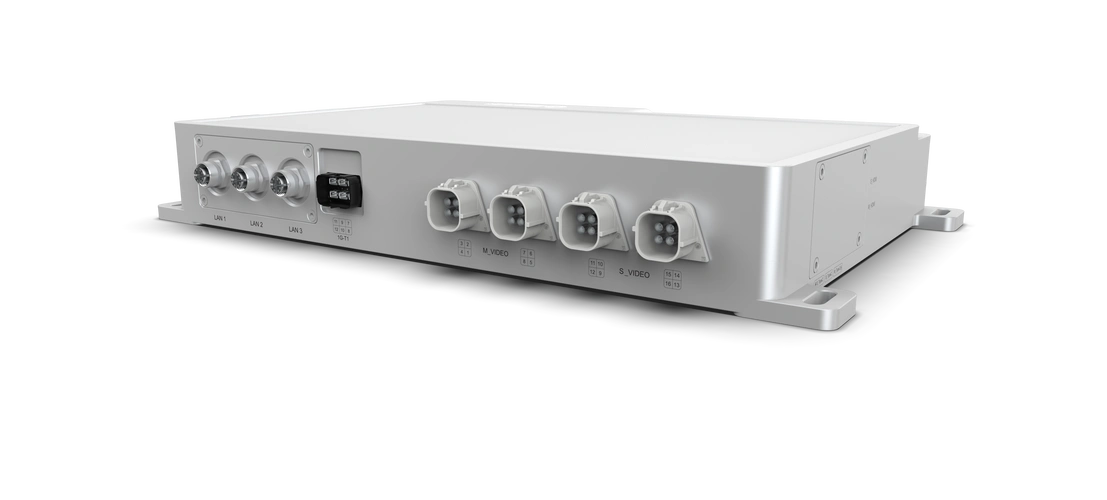




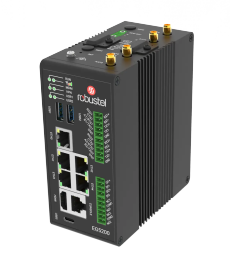
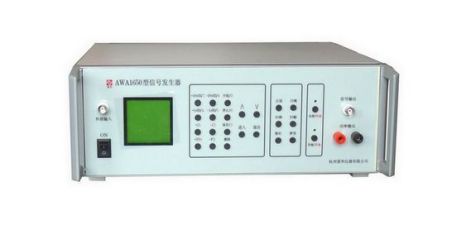
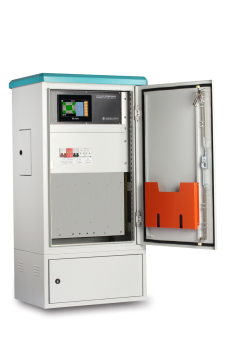
The product’s standout advantage lies in its AI-driven adaptive phase optimization technology, which automatically adjusts green light duration and phase sequences according to real-time vehicle and pedestrian flow, eliminating the inefficiencies of fixed-timed signal controllers. Its dual-link 5G and Ethernet connectivity ensures stable data transmission, preventing network interruptions that could disrupt traffic control operations. Equipped with a built-in fault self-diagnosis system, it can detect issues such as sensor malfunctions or power fluctuations within 3 seconds and trigger backup strategies, minimizing downtime. The cast aluminum alloy housing provides excellent corrosion and impact resistance, suitable for harsh outdoor environments. Additionally, it supports pedestrian priority modes and emergency vehicle preemption functions, addressing the pain points of pedestrian safety and emergency response delays in busy urban areas.
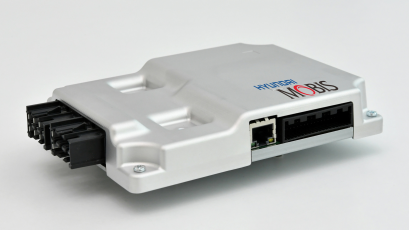
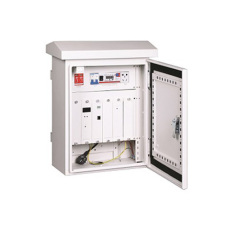
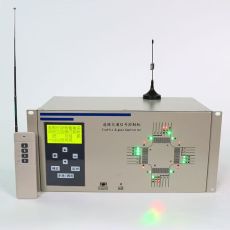
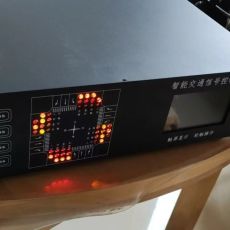
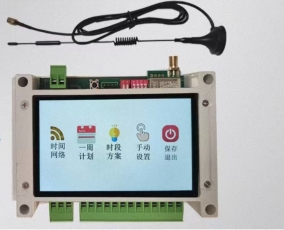
The controller has a compact overall dimension of 450mm (L) × 350mm (W) × 200mm (H) and weighs 28kg, making it easy to install in standard traffic signal cabinets. It operates within a temperature range of -40°C to +70°C, with a humidity tolerance of 5% to 95% non-condensing. The 7-inch industrial touch screen features sunlight readability, allowing on-site technicians to adjust parameters without additional tools. It supports up to 32 signal phases, enabling complex traffic signal schemes for multi-lane intersections. Power input is AC220V ±15%, with a power consumption of ≤150W under full load. It is equipped with 8 loop detector interfaces, 4 video camera input ports, and 2 emergency vehicle preemption interfaces, ensuring compatibility with most traffic monitoring and sensor devices. The response latency between traffic data collection and signal adjustment is ≤100ms, ensuring real-time responsiveness.
This adaptive connected traffic signal controller is ideal for urban core arterial road intersections, where traffic flow varies significantly between peak and off-peak hours. It is also widely used in commercial center intersections with high pedestrian and vehicle turnover, as well as intersections near railway stations, airports, and bus terminals that require coordinated traffic management. Traffic management departments can deploy it in smart city pilot zones to integrate with existing intelligent transportation systems (ITS), realizing unified control of regional traffic networks. Additionally, it is suitable for temporary large-scale event venues, such as sports stadiums or exhibition centers, where dynamic signal adjustments are needed to accommodate sudden surges in traffic flow. In areas prone to traffic accidents, its emergency vehicle preemption function can help first responders reach incident sites faster, reducing emergency response times by up to 30%.







 Post RFQ


 Chat
Chat


 ALL CATEGORIES