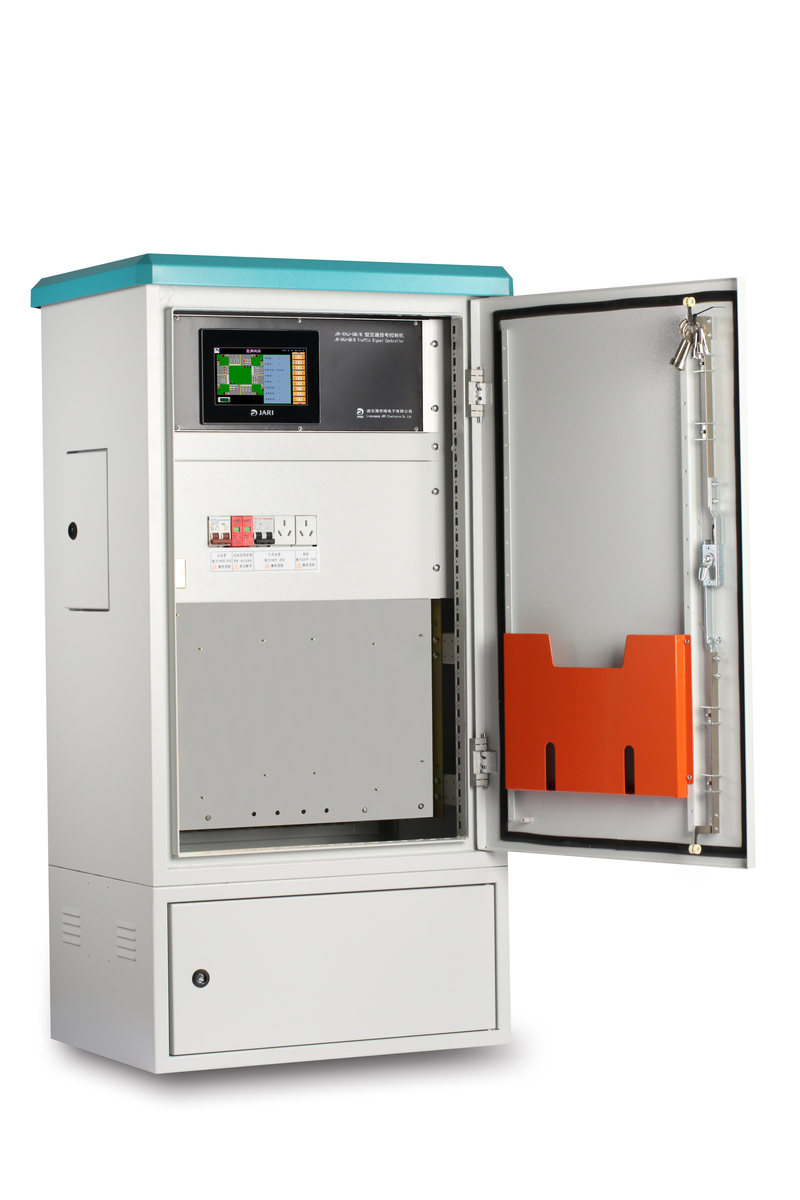
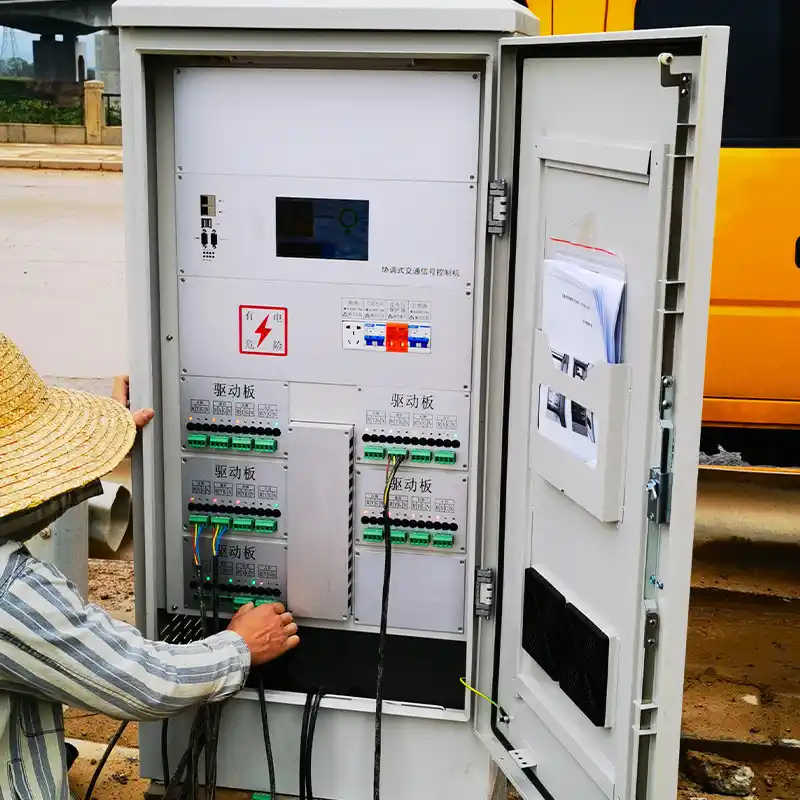





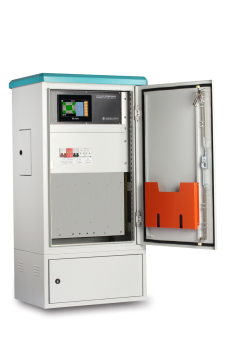
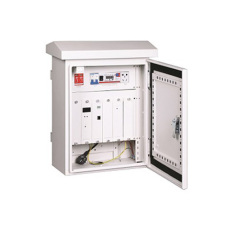
Its core advantage is the advanced ramp metering algorithm, which analyzes real-time mainline traffic speed and density data to adjust ramp signal cycles, maintaining optimal mainline traffic flow and reducing congestion by up to 25%. The fiber + 4G redundant networking system ensures stable data transmission between the controller and highway management platform, avoiding metering strategy disruptions caused by single-network failures. The corrosion-resistant cast aluminum housing provides IP66 protection, suitable for coastal highway environments with high salt content in the air. It supports up to 8 signal phases, enabling flexible metering schemes for single or dual-lane ramps. Additionally, it has a queue detection function, which extends green light duration when ramp queues exceed a safe length, solving the pain points of ramp queue overflow and mainline congestion caused by improper metering. The remote cloud control function allows highway management teams to adjust parameters without on-site visits, reducing maintenance costs.
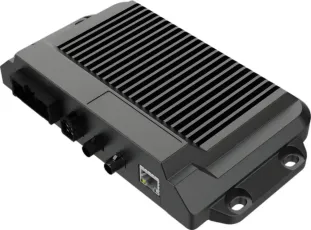
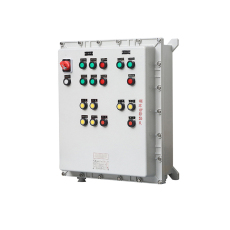
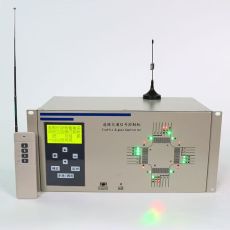
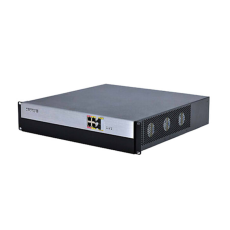
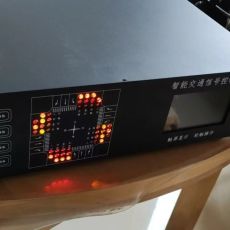
The controller has dimensions of 400mm (L) × 300mm (W) × 180mm (H) and weighs 22kg, with a weather-sealed mounting bracket for stable installation on highway ramp signal poles or cabinets. It operates in a temperature range of -40°C to +75°C, with a humidity tolerance of 0% to 98% non-condensing. The local control interface consists of 3 physical emergency buttons for manual phase switching and system reset, with all regular operations managed via a remote cloud platform. It supports up to 8 signal phases, with each phase adjustable in 0.5-second increments. Power input is AC220V ±15%, with a 50W solar panel supplementary power system providing backup power during grid outages. Power consumption is ≤120W under full load. It is equipped with 8 loop detector interfaces (4 for ramp queues, 4 for mainline traffic) and 2 weather sensor interfaces, compatible with most highway traffic monitoring devices. The response latency between mainline traffic data collection and ramp signal adjustment is ≤80ms, ensuring real-time metering control.
This ramp metering controller is exclusively designed for highway on-ramps, where controlling vehicle entry flow is essential to maintaining mainline traffic efficiency. It is also widely used in urban expressway ramps, especially during morning and evening peak hours, when mainline traffic density is high and unregulated ramp entry can cause severe congestion. Highway management departments and urban traffic control centers are the primary target users, as this product helps reduce mainline congestion, shorten travel times, and improve overall highway network efficiency. Additionally, it can be deployed in toll plaza exit ramps, where coordinated metering can reduce merging conflicts between toll booth exit vehicles and mainline traffic. In areas with frequent power outages, the solar supplementary power system ensures uninterrupted metering operation, avoiding ramp traffic chaos during power failures.







 Post RFQ


 Chat
Chat


 ALL CATEGORIES