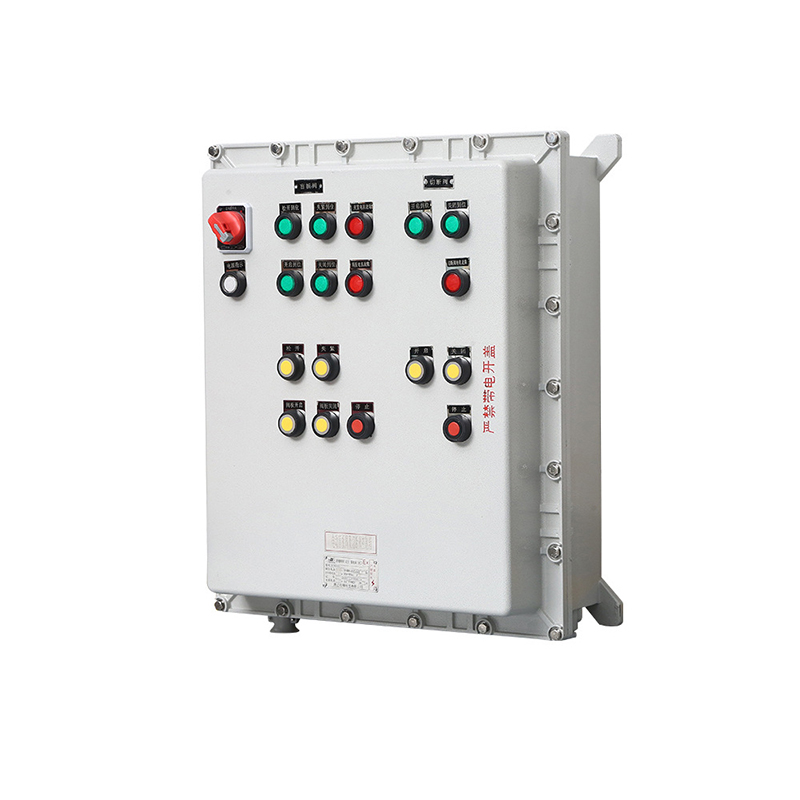
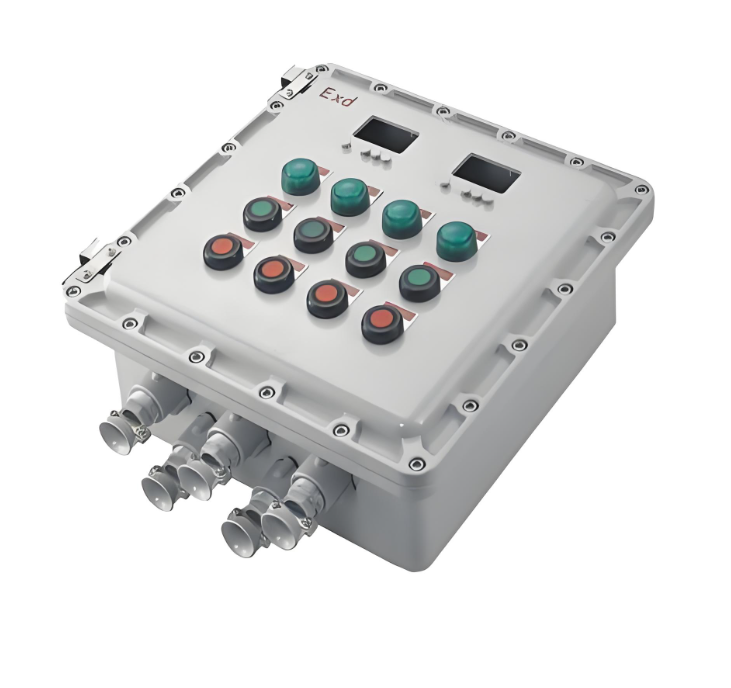





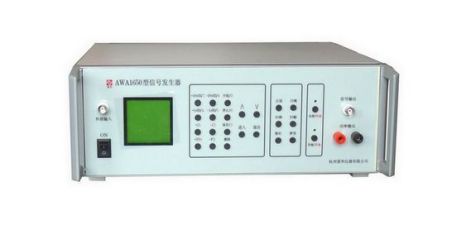
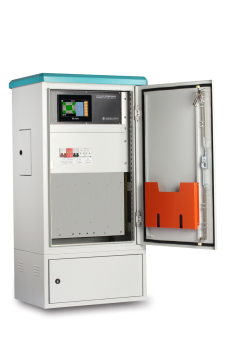
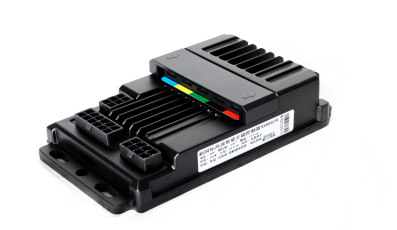
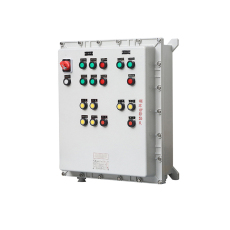
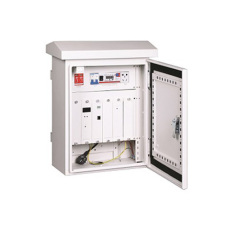
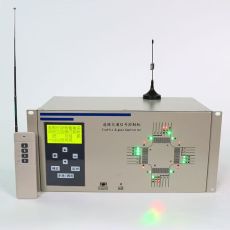
This controller features an Exd II BT4 Gb explosion-proof rating, which means it can be used in environments with explosive gases such as methane, propane, and gasoline vapor. The cast steel housing with explosion-proof seals prevents sparks from escaping, eliminating the risk of igniting flammable substances. The IP67 protection grade ensures complete resistance to water immersion and dust, making it suitable for harsh outdoor high-risk environments, including coastal oil depots and underground mining areas. The 20 control phases support basic intersection and access road traffic layouts, while the explosion-proof Ethernet/wireless bridge communication mode allows remote monitoring and parameter adjustment, reducing the need for on-site maintenance by workers in high-risk areas. It also includes a real-time fault alarm system, sending alerts to the safety management platform when malfunctions occur, enabling immediate response to potential hazards.
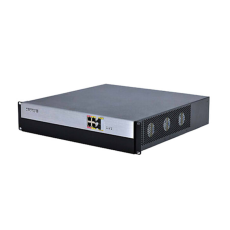
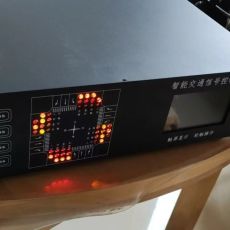
The controller measures 500mm×420mm×250mm, with a cast steel housing that is 10mm thick, providing excellent explosion-proof performance. It uses an AC220V explosion-proof power supply with overvoltage and overcurrent protection, ensuring safe power distribution in high-risk environments. The 20 control phases can be configured for access road gates, intersection signals, and emergency evacuation routes, with each phase supporting a maximum load of 8A. Communication interfaces include 1×explosion-proof Ethernet port and 1×explosion-proof wireless bridge, enabling secure data transmission with the central safety management platform. Operating temperature ranges from -40℃ to +60℃, and it complies with ATEX and IECEx international explosion-proof certifications. The housing is coated with anti-corrosion paint, resistant to acid and alkali corrosion, making it suitable for chemical parks with corrosive air environments.
This explosion-proof controller is exclusively used in high-risk explosive environments, including petrochemical parks, oil refineries, coal mining areas, and flammable material storage yards. In chemical parks, it controls traffic at intersection and access road gates, ensuring that only authorized vehicles enter and exit, and guiding traffic flow to prevent collisions. In oil depots, it is used to control the movement of fuel tankers, ensuring safe loading and unloading operations. In underground mining areas, it guides traffic for mining vehicles and personnel transport vehicles, reducing the risk of accidents in dusty and explosive environments. It is also suitable for fireworks production facilities and hazardous material processing plants, providing reliable traffic control while complying with strict safety regulations. Safety management teams can use its remote monitoring function to track device status in real time, minimizing the need for workers to enter high-risk areas for maintenance.







 Post RFQ


 Chat
Chat


 ALL CATEGORIES