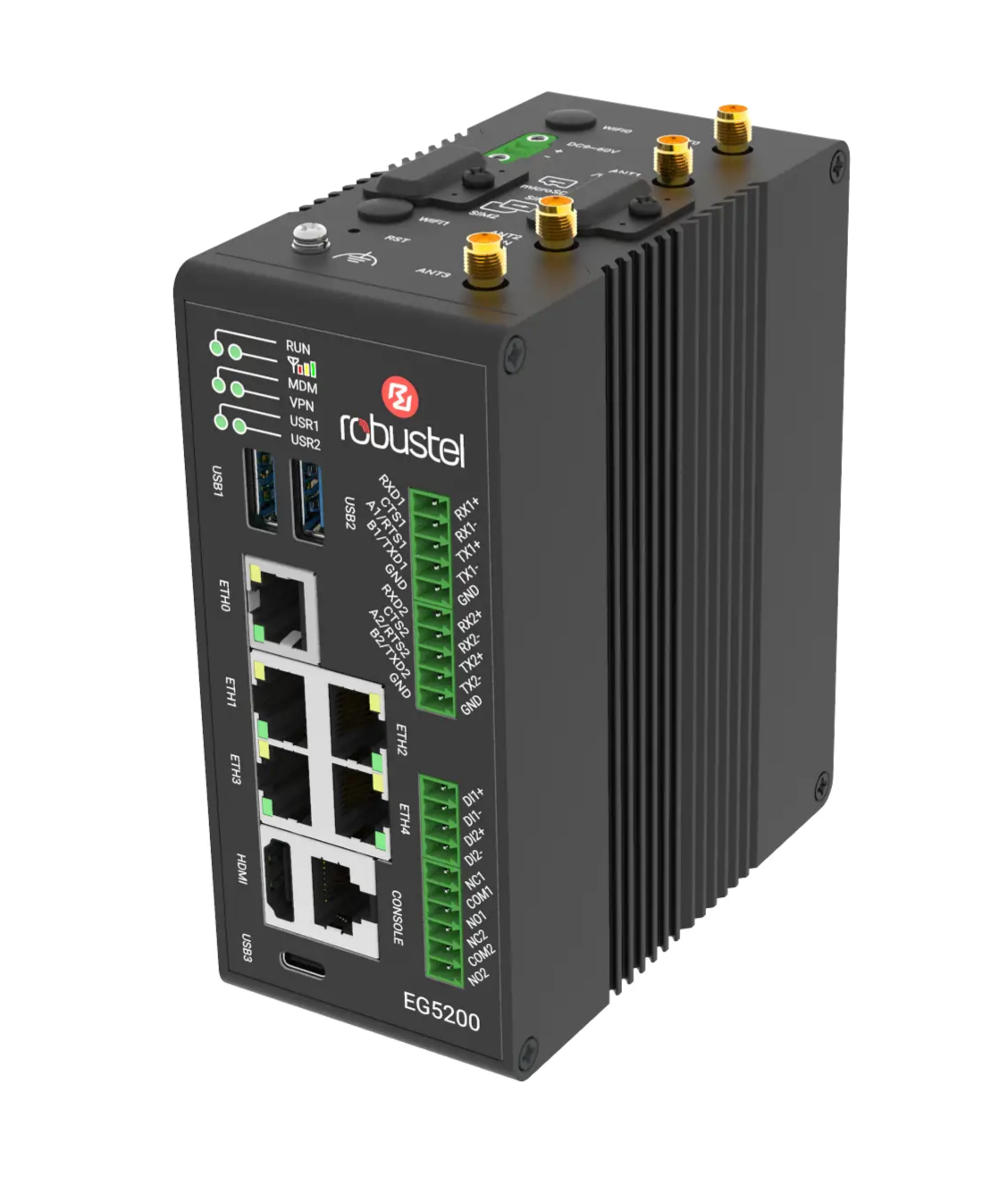
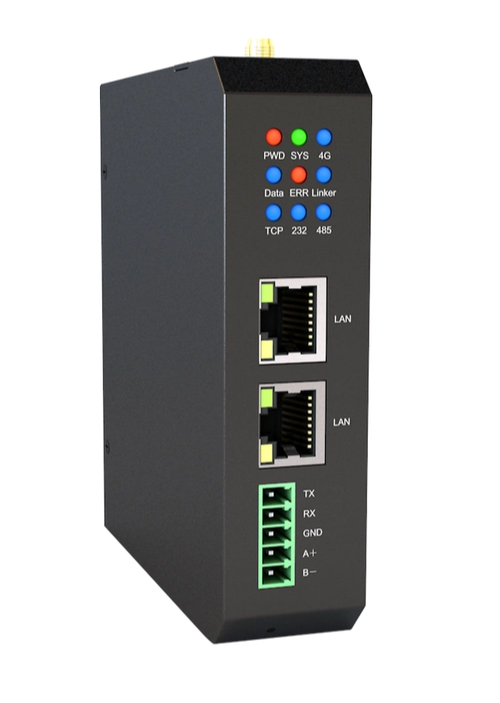





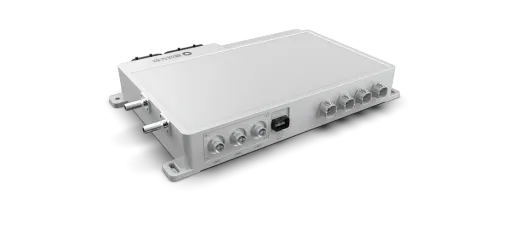
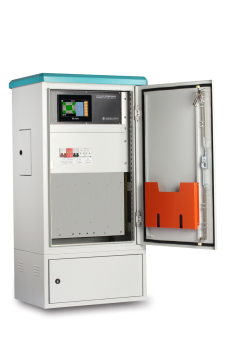
Its core advantage is the embedded edge AI processor with 16TOPS computing power, which can analyze real-time video feeds and loop detector data simultaneously to identify traffic conflicts, pedestrian crossings, and emergency vehicle movements. Unlike cloud-dependent controllers, it processes data locally, reducing response latency to ≤50ms and ensuring real-time signal adjustments. The multi-mode networking system (5G, fiber, 4G) provides triple redundancy, avoiding traffic control disruptions caused by single-network failures. The stainless steel and cast aluminum composite housing offers IP66 protection, fully waterproof and dustproof, suitable for coastal or dusty outdoor environments. It supports 40 signal phases, enabling ultra-complex signal schemes for interchange intersections with 6+ lanes. Additionally, it features predictive congestion mitigation and V2X emergency communication functions, solving the pain points of delayed congestion response and low connected vehicle compatibility in large hubs.
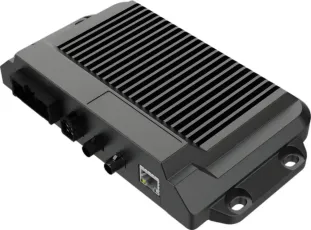
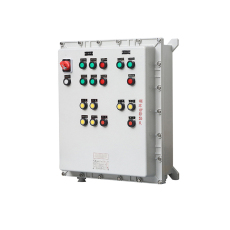
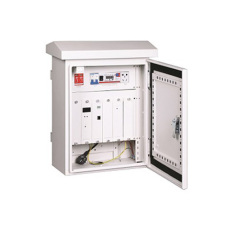
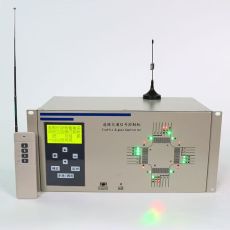
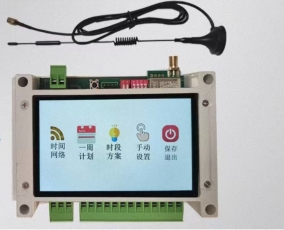
The controller has dimensions of 500mm (L) × 400mm (W) × 220mm (H) and weighs 35kg, with a reinforced mounting structure for stable installation in heavy-duty traffic cabinets. It operates in a temperature range of -45°C to +75°C, with a humidity tolerance of 0% to 98% non-condensing. The 10-inch industrial touch screen supports multi-touch operation and has a resolution of 1280×800, ensuring clear parameter display in bright sunlight. It supports up to 40 signal phases, with each phase adjustable in 1-second increments. Power input is AC220V ±20%, with a built-in 2-hour UPS backup system providing continuous power during outages. Power consumption is ≤200W under full load. It is equipped with 16 loop detector interfaces, 8 video camera input ports, and 4 V2X communication modules, compatible with most smart traffic sensors and connected vehicle systems. The local data storage capacity is 128GB, allowing 30 days of traffic data recording for post-analysis.
This edge computing intelligent controller is primarily used in large interchange intersections with multiple entry and exit lanes, where traditional signal controllers fail to handle complex traffic flow dynamics. It is also ideal for airport and high-speed railway station access roads, where coordinated traffic management between passenger vehicles, buses, and taxis is critical. In smart city projects with V2X deployment, it serves as a key node for vehicle-road collaboration, enabling real-time communication between traffic signals and connected cars to reduce rear-end collisions and improve traffic efficiency. Additionally, it can be deployed in port logistics areas, where heavy truck traffic requires precise signal timing to avoid queueing and loading delays. For areas with frequent network outages, its local edge computing capability ensures uninterrupted traffic control operations without relying on cloud services.







 Post RFQ


 Chat
Chat


 ALL CATEGORIES