



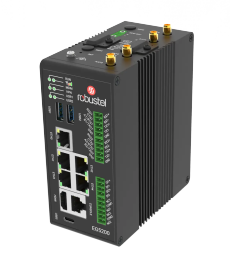
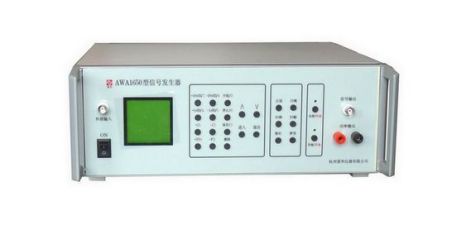
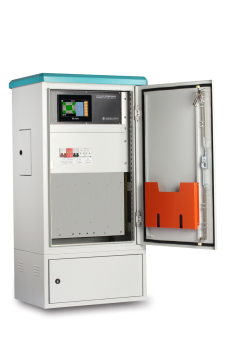
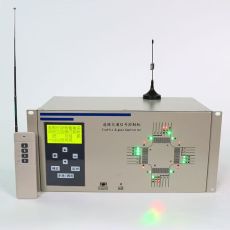
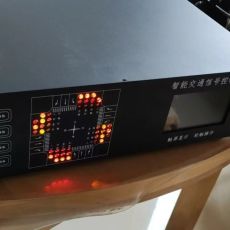
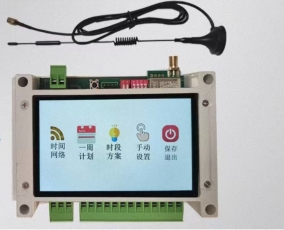
Its core advantage is the balance between cost and functionality, offering fixed phase control for regular traffic hours and vehicle induction trigger for off-peak periods, addressing the pain points of wasted green light time in low-traffic small intersections. The cold-rolled steel plate housing with powder coating provides excellent corrosion resistance, suitable for long-term outdoor use. The 4-inch LCD screen and physical button interface are easy to operate, requiring minimal training for on-site technicians. It supports up to 12 signal phases, meeting the needs of 2-3 lane minor intersections. Optional Ethernet or 4G networking allows remote parameter adjustment and fault monitoring, reducing on-site maintenance frequency. Additionally, it has a school zone priority mode, which extends green light duration for student pedestrian crossings during peak school hours, enhancing pedestrian safety in residential and school areas.
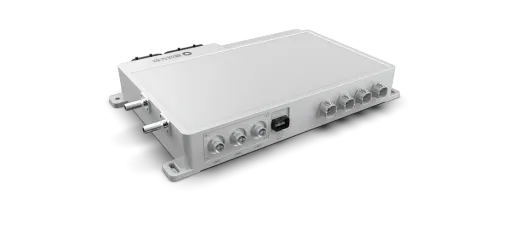
The controller has dimensions of 350mm (L) × 250mm (W) × 150mm (H) and weighs 18kg, with a space-saving design that fits into standard small traffic signal cabinets (600mm × 400mm × 300mm). It operates in a temperature range of -30°C to +70°C, with a humidity tolerance of 5% to 95% non-condensing. The 4-inch LCD screen has a resolution of 480×320, displaying signal cycle time, phase status, and power supply information. It supports up to 12 signal phases, with fixed cycles adjustable from 20 seconds to 120 seconds, and induction trigger sensitivity adjustable in 5 levels. Power input is AC220V ±10%, with a power consumption of ≤80W under full load. It is equipped with 4 loop detector interfaces and 2 pedestrian push-button interfaces, compatible with most standard traffic sensors and pedestrian crossing devices. The response latency between vehicle detection and signal phase switching is ≤150ms, ensuring timely reaction to incoming vehicles.
This compact signal controller is primarily used in community branch road intersections, where traffic flow is low to medium and does not require complex adaptive control. It is also ideal for school zone intersections, where pedestrian safety during peak school hours is a top priority. Residential area entrances, small commercial street intersections, and park access roads are also suitable application scenarios, as they need cost-effective traffic management solutions without excessive functionality. Local traffic management departments and property management companies are the main target users, as this product reduces infrastructure costs and simplifies maintenance procedures. Additionally, it can be deployed as a backup controller for major intersections, providing temporary traffic control during maintenance of high-end signal devices.







 Post RFQ


 Chat
Chat


 ALL CATEGORIES