




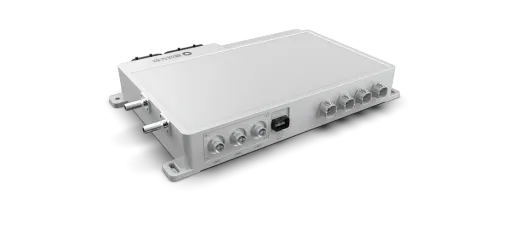
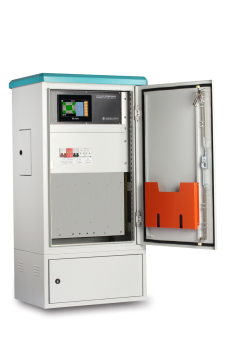
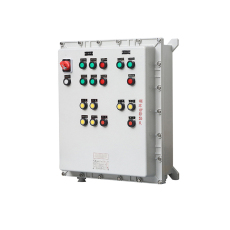
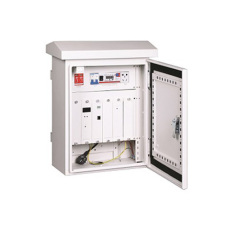
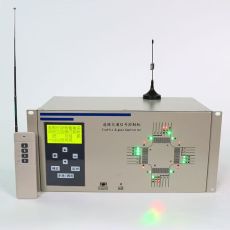
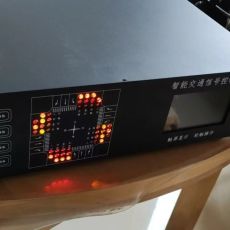
This traffic signal controller stands out with reliability and user-centric design. Built-in fault self-diagnosis technology automatically detects and alerts teams to power failures, signal malfunctions, or communication disruptions, minimizing downtime and maintenance response times. Its multi-phase control allows customized timing for peak-hour surges, cutting wait times at intersections. Unlike cheaper alternatives, it supports backward compatibility with legacy systems, avoiding costly full replacements. The galvanized steel housing with powder coating delivers superior corrosion resistance, ensuring a 15+ year lifespan in coastal or high-pollution areas. Dedicated pedestrian signal control with adjustable walk intervals aligns with global safety standards, protecting vulnerable road users. It also includes surge protection for urban power grid spikes, further enhancing durability.
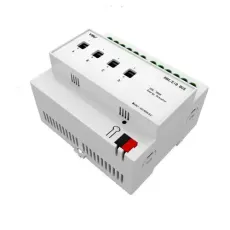
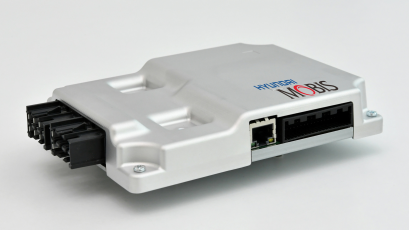
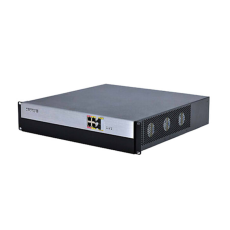
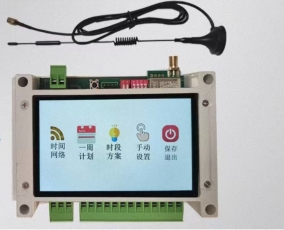
Measuring 450mm (W) x 600mm (H) x 250mm (D), the controller features a compact wall-mountable design that saves cabinet space, weighing 28kg for straightforward installation. It operates on 110-240V AC power with a built-in surge protection module to guard against voltage spikes. Supporting up to 16 independent phases, each with timing intervals from 1 to 300 seconds, it adapts to diverse traffic needs. Communication interfaces include RS485 for local connections and Ethernet for remote monitoring. The IP65 rating ensures full dust resistance and protection against low-pressure water jets, suitable for outdoor use. It complies with NEMA TS2 and IEC 60529 standards, with a storage temperature range of -50°C to +80°C and operating range of -40°C to +70°C, guaranteeing performance in extreme conditions.
Ideal for urban road networks, this controller serves primary arterial roads, collector roads, and busy mixed-traffic intersections. It is widely deployed in downtown business districts, residential neighborhoods, and commercial areas where consistent flow is critical. In multi-lane intersections with left-turn lanes, its multi-phase control enables dedicated timing, reducing collision risks. Near schools or hospitals, it extends pedestrian walk intervals during peak hours, aligning with safety priorities. It integrates with traffic cameras for semi-automated management, making it versatile for small to mid-sized cities upgrading infrastructure without massive budgets. It also works in suburban intersections with growing traffic volumes, adapting to evolving community needs.







 Post RFQ


 Chat
Chat


 ALL CATEGORIES