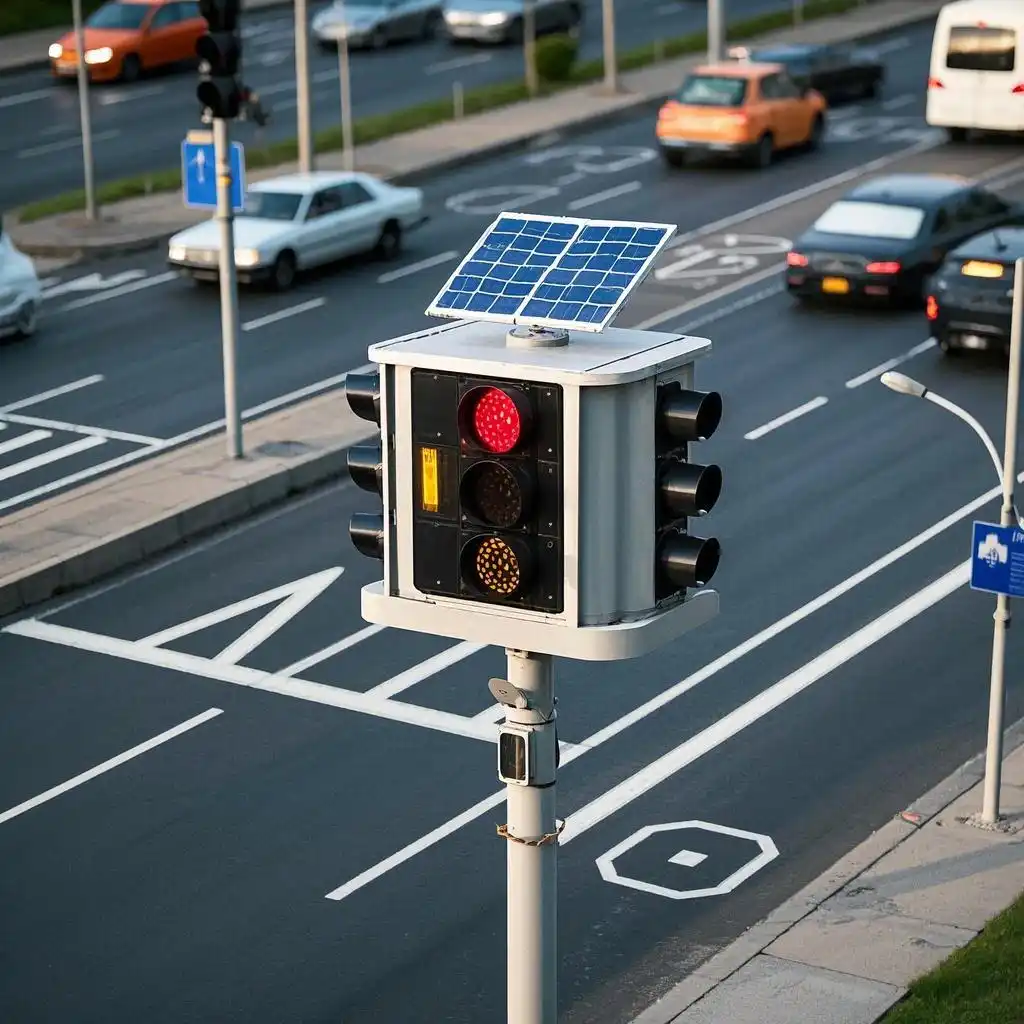





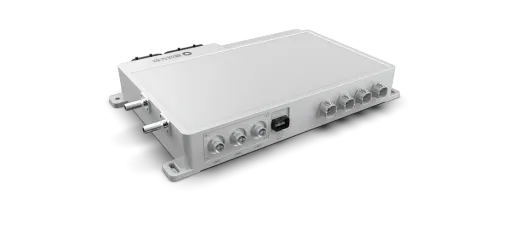
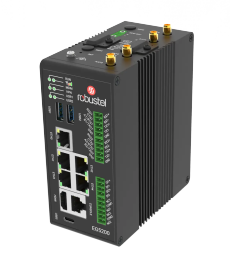
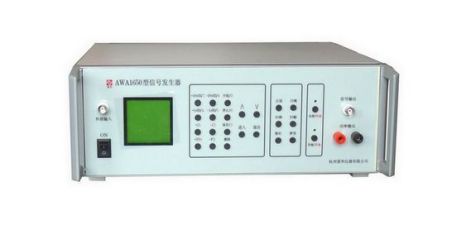
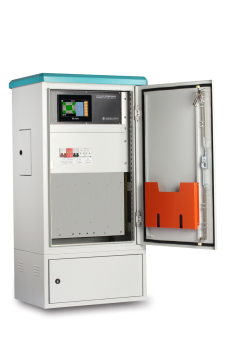
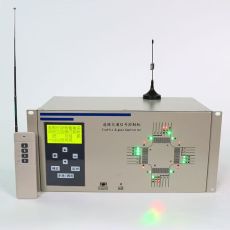
Its key advantages include self-sustaining solar energy storage, eliminating the need for external power supply and reducing deployment costs in remote areas. The high-strength engineering plastic housing is impact-resistant and fully waterproof (IP67), capable of withstanding heavy rain, dust, and accidental collisions from construction vehicles. It supports 16 signal phases, meeting the needs of most temporary intersections with 2-4 lanes. The physical button operation interface is easy to use for non-professional workers, with an LCD display showing battery level, signal cycle status, and fault alerts. Additionally, it has a low-power sleep mode that activates during low-traffic periods, extending battery life. This product addresses the pain points of high deployment costs, long installation times, and lack of remote monitoring in temporary traffic control scenarios.
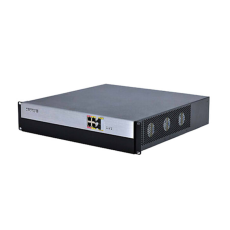
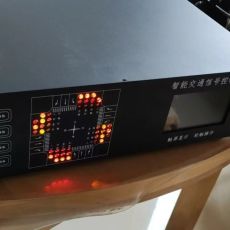
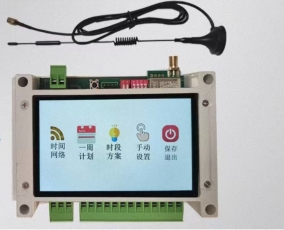
The controller has a compact dimension of 300mm (L) × 250mm (W) × 150mm (H) and weighs 12kg, with a built-in handle for easy transportation. It comes with a 100W monocrystalline solar panel (1200mm × 600mm × 30mm) and a 200Ah lithium iron phosphate battery pack, providing a working time of 24 hours on a full charge, and up to 7 days of backup power without sunlight. Operating temperature range is -30°C to +60°C, with a humidity tolerance of 5% to 95% non-condensing. The LCD display has a resolution of 320×240, showing real-time battery voltage, signal cycle time, and phase status. It supports up to 16 signal phases, with timed cycles adjustable from 30 seconds to 180 seconds. Power consumption is ≤30W under normal operation, and ≤5W in sleep mode. It is equipped with 4 signal output interfaces, compatible with standard traffic signal heads. The LoRa networking range is up to 5km, enabling remote monitoring via a dedicated mobile app.
This solar-powered emergency controller is widely used in road construction zones, where temporary traffic diversion requires safe and reliable signal control to protect workers and guide passing vehicles. It is also suitable for rural remote intersections without grid power access, providing basic traffic management to reduce accident rates. In emergency disaster recovery scenarios such as earthquakes or floods, it can be quickly deployed to restore traffic order in areas where power grids are damaged. Additionally, it is ideal for temporary event sites such as outdoor concerts or farmers’ markets, where short-term traffic control is needed without complex wiring. Construction companies, municipal emergency departments, and rural traffic management offices are the primary target users, benefiting from its portability, self-sustaining power, and easy operation.







 Post RFQ


 Chat
Chat


 ALL CATEGORIES