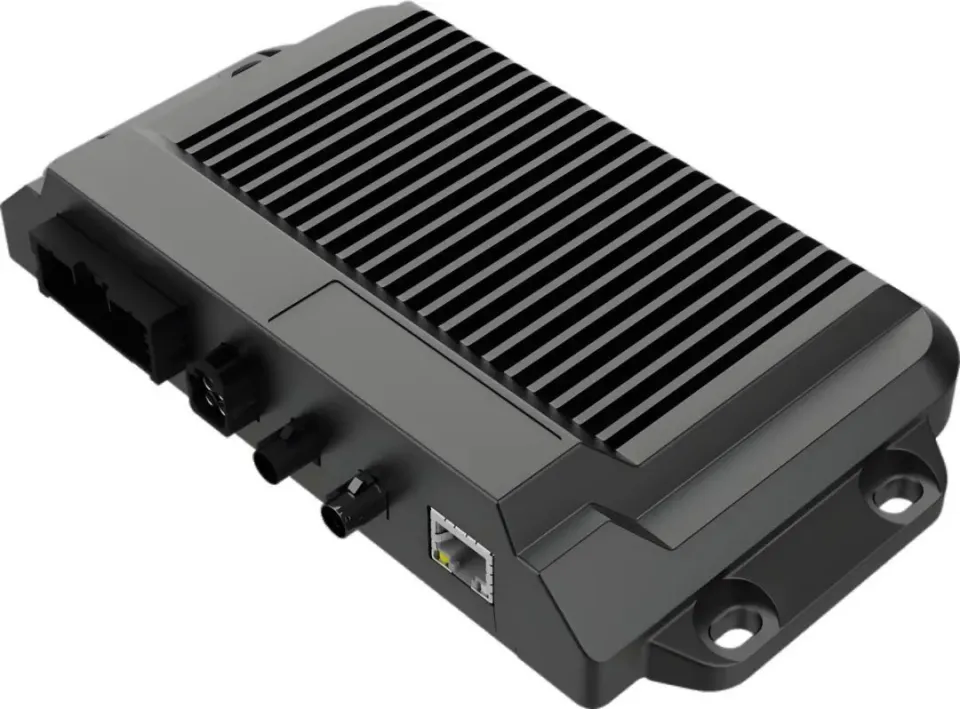
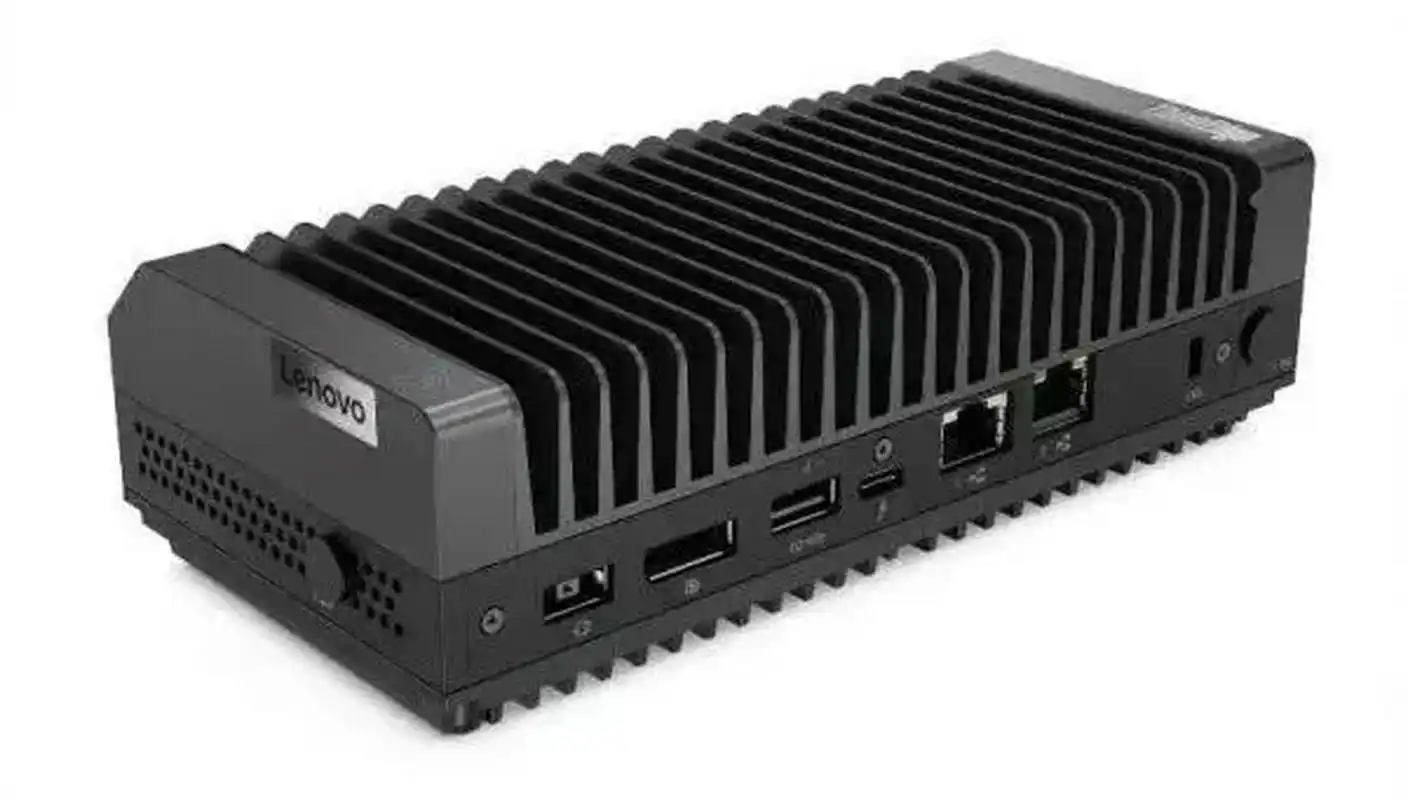





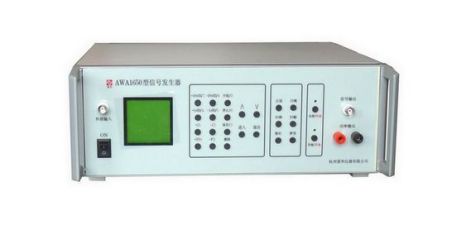
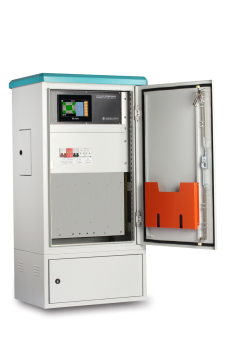
This controller's core advantage lies in its edge computing architecture, which enables full autonomous operation without relying on external networks. The NVIDIA Jetson Xavier NX chip processes traffic data from connected sensors in real time, adjusting signal timings based on local vehicle and pedestrian flow, solving the pain point of signal failure in remote areas with poor network coverage. Its dual AC/DC power input supports both grid electricity and backup battery power, ensuring continuous operation during power outages that are common in rural regions. The IP67-rated housing offers complete protection against dust immersion and water submersion up to 1 meter for 30 minutes, making it suitable for coastal, mountainous, and desert areas. It also supports integration with multiple sensor types, including loop detectors, radar, and cameras, providing comprehensive traffic monitoring. Additionally, it features local data logging, allowing traffic managers to retrieve historical data via USB when they visit remote sites, facilitating traffic pattern analysis and system optimization.
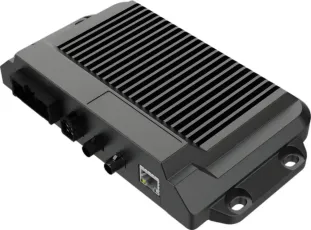
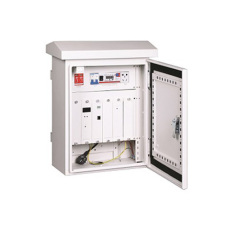
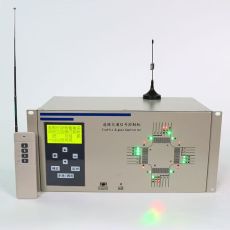
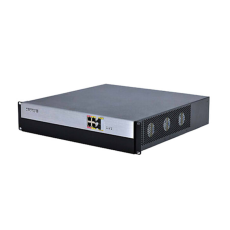
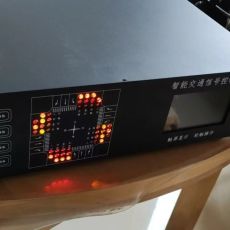
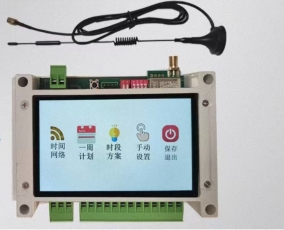
The Edge Computing Traffic Signal Controller measures 480mm (L) x 350mm (W) x 200mm (H) and weighs 22kg, with a robust stainless steel frame and IP67-sealed housing. It is equipped with an NVIDIA Jetson Xavier NX processor and 256GB SSD local storage, capable of storing up to 6 months of traffic data logs. The device supports 12 digital input ports for connecting sensors and 16 digital output ports for controlling traffic lights, pedestrian signals, and countdown timers. Power input options include AC 100-240V, 50/60Hz, and DC 24V, with a built-in 10Ah backup battery that provides up to 8 hours of operation during power outages. The operating temperature range is -45°C to +75°C, and it can tolerate relative humidity from 5% to 95% (non-condensing). It supports up to 6 vehicle lanes and 3 pedestrian crosswalks, with 12 customizable signal phases. The controller also features a local touch-screen interface for on-site configuration, eliminating the need for external devices in remote areas.
This controller is primarily used in remote rural intersections, mountainous area roads, construction zones, and off-grid mining sites where network connectivity is limited or non-existent. In rural areas with scattered traffic flow, it adjusts signal timings dynamically to reduce unnecessary wait times for local residents and agricultural vehicles. For construction zones, it integrates with radar sensors to detect construction vehicle entry and exit, prioritizing their passage to improve work efficiency and safety. In mining sites, its rugged IP67 housing resists dust and vibration from heavy machinery, ensuring stable signal control for large mining trucks and worker vehicles. It is also suitable for coastal areas, where salt spray and high humidity can damage standard equipment, thanks to its corrosion-resistant stainless steel housing. Additionally, it can be deployed in temporary traffic management scenarios, such as event venues or disaster relief zones, where quick, autonomous signal control is needed without relying on existing infrastructure.







 Post RFQ


 Chat
Chat


 ALL CATEGORIES