




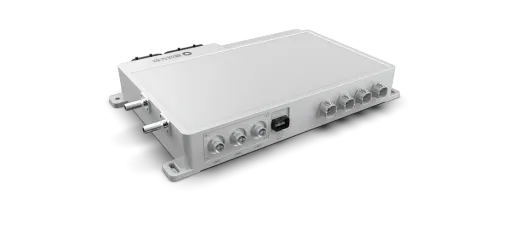
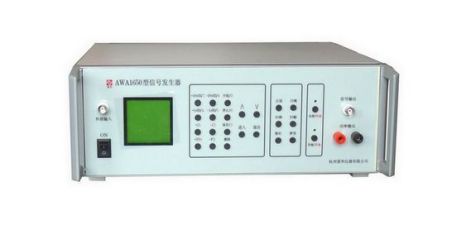
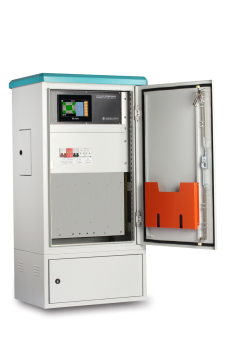
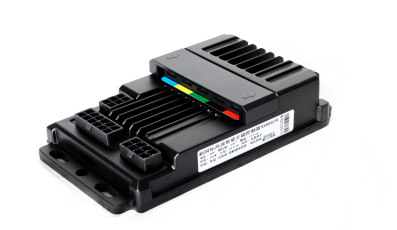
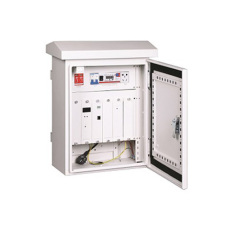
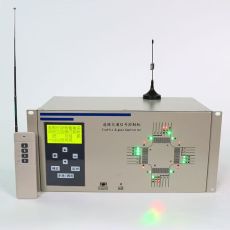
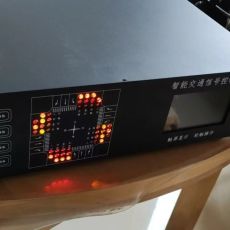
The core advantage of this controller is its high-precision tram priority trigger system, which uses DSRC communication technology to detect trams within a 500m range of the intersection, with a detection accuracy of 99.9%. It supports multiple priority levels, allowing customization of priority duration based on tram type (e.g., express tram vs. local tram) and passenger load. The adaptive coordination mode can adjust signal timing according to real-time social vehicle traffic volume, minimizing the impact of tram priority on other traffic flows. The built-in fault alarm system can detect communication failures between the controller and trams, triggering a backup timing mode to ensure normal intersection operation. It also has a data recording function that logs tram passage times, signal adjustment records, and traffic flow data for subsequent public transportation operation analysis. The 304 stainless steel housing provides excellent corrosion resistance, suitable for outdoor installation in coastal or industrial cities.
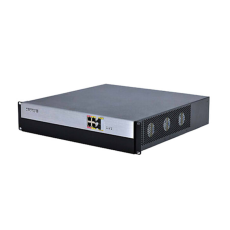
The controller has a size of 500mm (length) × 400mm (width) × 220mm (height), with a net weight of 22kg, designed for installation in dedicated tram signal control cabinets. It is equipped with 1 DSRC communication module, 1 5G module, 6 RS485 ports, and 2 Ethernet ports, supporting data transmission speeds of up to 500Mbps. The UPS backup power supply can provide 4 hours of continuous operation during power outages, ensuring tram safety and normal signal display. The signal output interface supports 220V AC signal lamps, with a maximum load current of 10A per channel. The working humidity range is 10%~90% (non-condensing), and it has a lightning protection level of 6kV to resist outdoor lightning strikes. The controller complies with railway industry standards, with an electromagnetic compatibility level of EN 50121-4 to avoid interfering with tram on-board electronic systems. The priority response time is ≤1s, ensuring trams can pass through intersections without stopping in most cases.
This product is specifically designed for urban tram lines, installed at intersections along tram routes to provide priority passage for trams. It is also suitable for BRT (Bus Rapid Transit) systems, where it can be adjusted to support bus priority functions with simple configuration. In new urban development zones with integrated public transportation planning, it can be deployed to connect tram lines with subway stations and bus terminals, forming a seamless public transportation network. For industrial parks with internal tram systems, it can regulate traffic between trams and cargo vehicles, improving logistics efficiency while ensuring safety. Additionally, it is ideal for tourist cities with scenic tram lines, enhancing the travel experience for tourists by reducing tram travel time and improving punctuality. In cities implementing low-carbon transportation policies, it helps increase tram ridership, reducing urban carbon emissions from private vehicles.







 Post RFQ


 Chat
Chat


 ALL CATEGORIES