


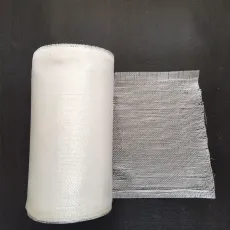
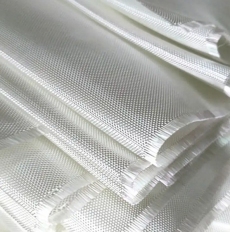

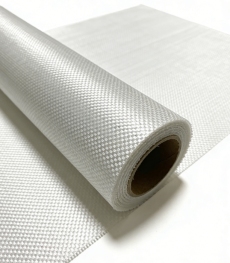
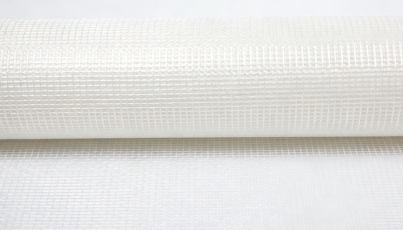
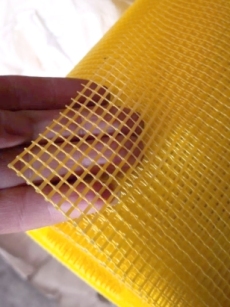
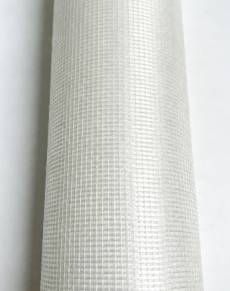
The core advantage of this electronic grade fiberglass cloth is its ultra-high insulation performance, with an insulation resistance of up to 10^14 ohm·cm and a withstand voltage of 10kV/mm, which can effectively block the transmission of current and avoid electrical leakage and short circuit problems. The silane coupling agent treatment on the surface improves the adhesion between the fiberglass cloth and resin materials, making it more suitable for composite material processing in the PCB industry. It has passed UL, RoHS and ISO9001 certifications, meeting the environmental protection and quality requirements of the global electronic industry. Compared with traditional paper-based insulating materials, it has higher mechanical strength and longer service life, solving the pain points of poor insulation stability and easy deformation of traditional insulating materials.
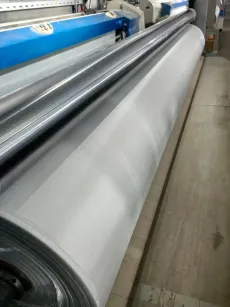
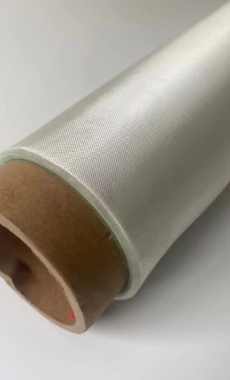
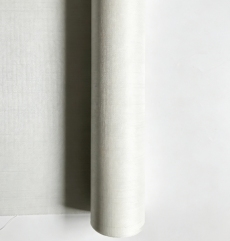
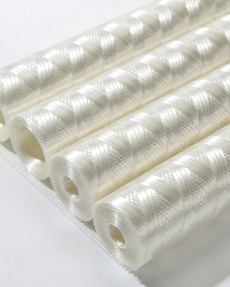
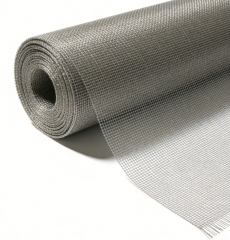
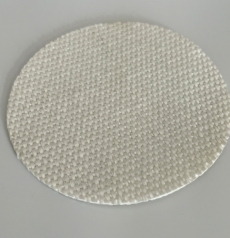
This product has standard specifications suitable for the electronic industry. The thickness ranges from 0.1mm to 0.5mm, which can meet the insulation requirements of different thicknesses of PCB substrates and electrical components. The standard widths are 91.4cm (36 inches) and 122cm (48 inches), and the standard roll length is 50m per roll. The dielectric constant is controlled between 3.0 and 4.0, which meets the signal transmission requirements of high-frequency electronic equipment. The tensile strength reaches 1500N/5cm, which can withstand the tension during the processing and use of electronic components. It can be customized according to the special size requirements of customers, and is suitable for cutting into different specifications of insulating pads and packaging materials.
This electronic grade insulation fiberglass cloth is mainly used in the production of printed circuit boards (PCBs), lithium battery pack insulation, motor winding packaging, electronic equipment shell insulation and other scenarios. In the lithium battery industry, it can be used as an insulating layer between battery cells to prevent short circuits caused by contact between positive and negative electrodes. In the PCB industry, it can be used as a substrate material for high-frequency circuit boards, ensuring the stability of signal transmission. It is also widely used in consumer electronics, industrial control equipment, new energy vehicles and other fields, providing reliable insulation protection for high-precision electronic equipment.








 Post RFQ


 Chat
Chat


 ALL CATEGORIES