


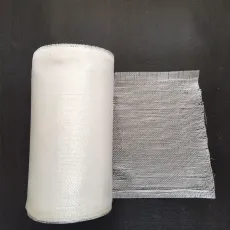
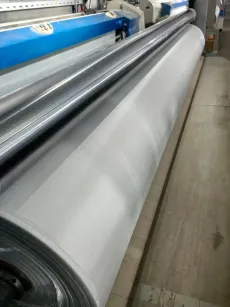
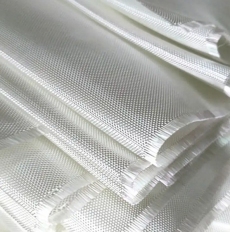
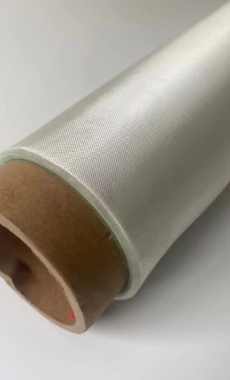

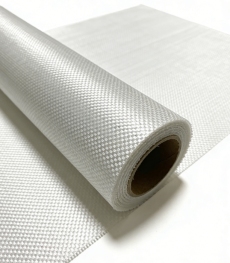
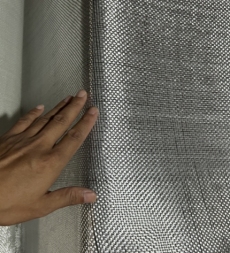
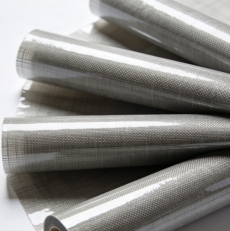
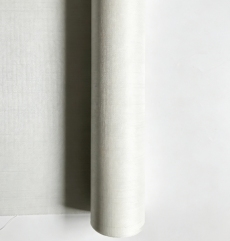
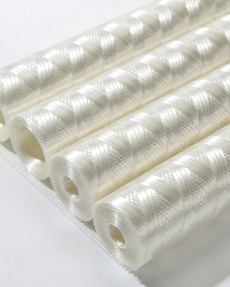
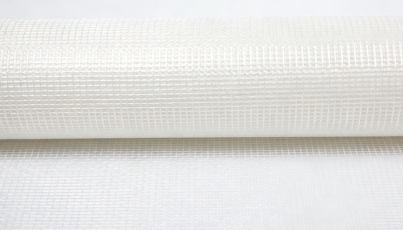
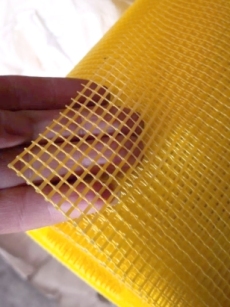
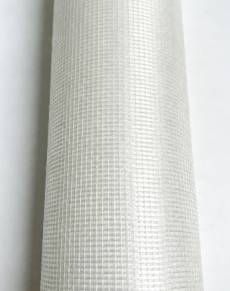
The core advantage of this fiberglass cloth lies in its ultra-high temperature resistance, which can stably work in the environment of 500°C to 800°C without deformation or performance degradation. The PTFE coating forms a smooth and dense protective layer, which not only enhances the waterproof and anti-corrosion performance but also improves the anti-tear ability. It has passed UL 94 V-0 fire resistance certification, ensuring that it will not support combustion in high-temperature environments. In addition, it is non-asbestos, non-toxic, and complies with EU RoHS environmental protection standards, solving the pain points of traditional insulation materials such as environmental pollution and short service life, and providing a safe and reliable protection solution for industrial sites.
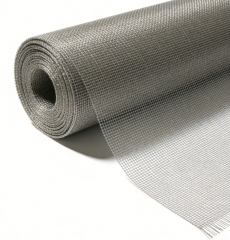
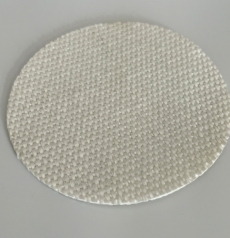
This product offers multiple specifications for users to choose from. The thickness ranges from 0.2mm to 2.0mm, meeting the insulation and protection needs of different scenarios. The width can be customized between 100cm and 200cm, and the standard roll length is 50m or 100m. The tensile strength reaches 2000N/5cm, which has excellent structural stability and can withstand large mechanical tension. The surface PTFE coating thickness is controlled at 0.03mm to 0.1mm, balancing the protective performance and flexibility. It can be cut and processed arbitrarily according to the actual use requirements, and is suitable for making high-temperature insulation pads, welding protective curtains, and equipment thermal insulation sleeves.
This high temperature resistant fiberglass cloth is widely used in steel smelting plants, shipbuilding workshops, welding operation sites, power distribution rooms and other high-temperature and fire-prone scenarios. It can be used as welding protective cloth to block molten splashes and sparks, as high-temperature insulation pads for industrial equipment, as thermal insulation sleeves for pipelines and cables, and as protective covers for high-temperature furnaces. In the aviation and aerospace field, it can also be used as a thermal insulation layer for satellite components and aircraft engine test equipment, providing reliable thermal protection for high-precision equipment.








 Post RFQ


 Chat
Chat


 ALL CATEGORIES