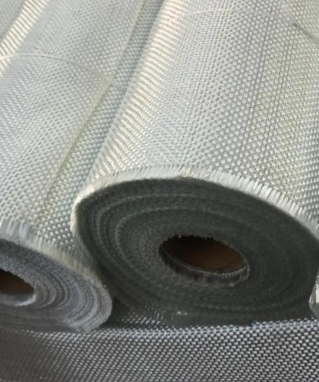


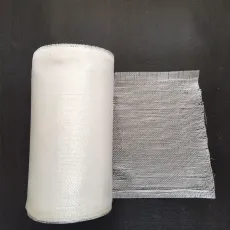
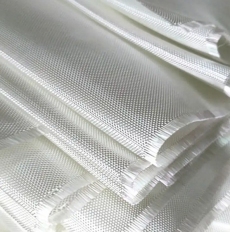
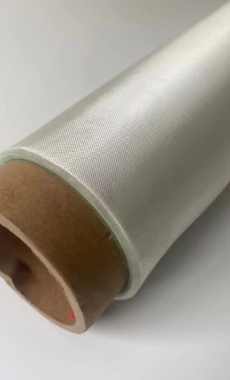

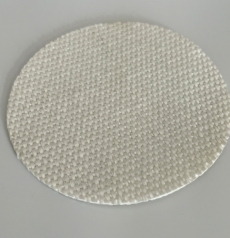
The core advantage of this aerospace grade fiberglass cloth lies in its ultra-high strength and lightweight properties. The tensile strength reaches 3500N/5cm and the modulus is 80GPa, which is twice as high as ordinary E-glass fiber cloth, providing excellent structural support while reducing the weight of the equipment. It has excellent temperature resistance, which can stably work in the environment of -60°C to 300°C, adapting to the extreme temperature changes in the aerospace field. The epoxy sizing agent treatment improves the adhesion between the fiberglass cloth and resin composite materials, making it more suitable for the production of high-performance composite components. It has passed AS9100 aerospace quality certification, meeting the strict quality and safety standards of the global aerospace industry, solving the pain points of traditional structural materials being heavy and low strength, and providing a reliable lightweight structural solution for high-end equipment.
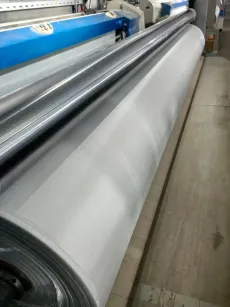
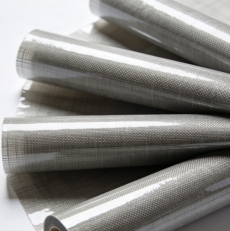
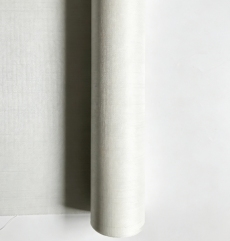
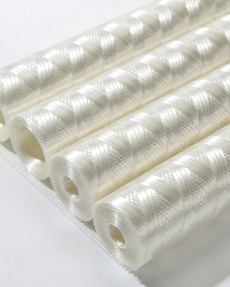
This product has high-precision specifications suitable for aerospace and high-end equipment. The thickness ranges from 0.1mm to 0.3mm, and the width can be customized between 60cm and 120cm according to customer needs. The standard roll length is 25m per roll. The tensile strength reaches 3500N/5cm, and the elastic modulus is 80GPa, meeting the structural performance requirements of high-end equipment. The epoxy sizing agent thickness is controlled at 0.02mm to 0.05mm, ensuring good adhesion with resin materials. It can be processed into various composite components through lay-up, winding and other processes, and is suitable for the production of satellite antenna brackets, unmanned aerial vehicle frames, high-end racing car body components and other high-precision structural parts.
This aerospace grade high strength fiberglass cloth is mainly used in the aerospace, unmanned aerial vehicle, high-end sports equipment and new energy vehicle fields. In the aerospace field, it can be used as the structural material of satellite antenna brackets and spacecraft component protective layers, providing lightweight and high-strength support for aerospace equipment. In the unmanned aerial vehicle field, it can be used as the frame material of UAVs, reducing the weight of the aircraft and improving the endurance and load capacity. In the high-end sports equipment field, it can be used as the material of archery equipment and racing equipment, improving the strength and lightweight performance of the equipment. It is also suitable for the production of high-end industrial robot components and medical equipment structural parts.








 Post RFQ


 Chat
Chat


 ALL CATEGORIES