Basic Info
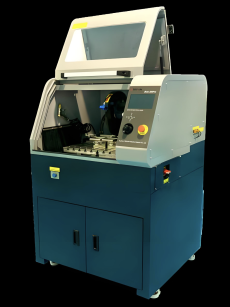
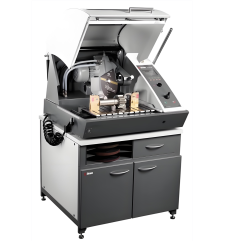
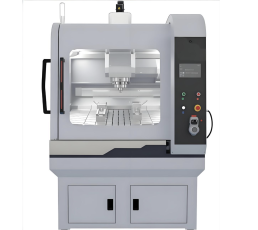
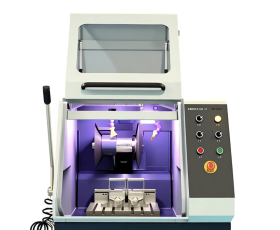
This manual precision metallographic cutting machine is an entry-level professional device designed for medium and small-sized metallographic sample preparation in laboratories. It targets university material laboratories and small-scale metal processing quality inspection departments, focusing on precise cutting and easy operation. It solves the pain points of insufficient manual sample cutting accuracy and inadequate cooling leading to damage to metallographic structure, and adapts to cutting needs of common metals, ceramics and composite materials samples.
Customer reviews

Robert · Industrial Metallurgist
In our industrial setting, the Manual Precision Metallographic Cutter has proven invaluable for failure analysis work. The consistent cut quality saves us time in sample preparation, and the tool's durability stands up to heavy daily use. The precision adjustments allow us to work with various alloys and hardness levels. It's a robust, dependable tool that meets our demanding production needs.
Sarah · Quality Control Technician
In our quality control department, the Manual Precision Metallographic Cutter has been a game-changer. The ability to make precise cuts with minimal material loss has significantly improved our workflow. The blade alignment is consistently accurate, and the adjustable settings allow us to tailor cuts for different materials. It's reliable, easy to use, and has become a staple in our daily operations.
Michael · Materials Engineer
As a materials engineer, I've used the Manual Precision Metallographic Cutter extensively for sample preparation. The precision and control it offers are unmatched, allowing me to make clean, accurate cuts every time. The ergonomic design reduces fatigue during prolonged use, and the build quality ensures durability. It's an essential tool in our lab for preparing metallographic specimens.
David · Research Scientist
The Manual Precision Metallographic Cutter has exceeded my expectations in our research lab. The clean, burr-free cuts it produces are perfect for microscopic analysis. The manual operation gives me the control I need for delicate samples, and the sturdy construction ensures stability during cutting. It's a versatile tool that handles a wide range of materials with consistent results.
Jennifer · Metallurgy Professor
Teaching metallography requires tools that demonstrate precision and reliability, and this cutter delivers both. My students appreciate how easy it is to operate while still achieving professional-grade cuts. The safety features are well-designed, making it ideal for educational environments. It's been an excellent addition to our laboratory equipment, enhancing both teaching and research capabilities.
Product Description
Product features:
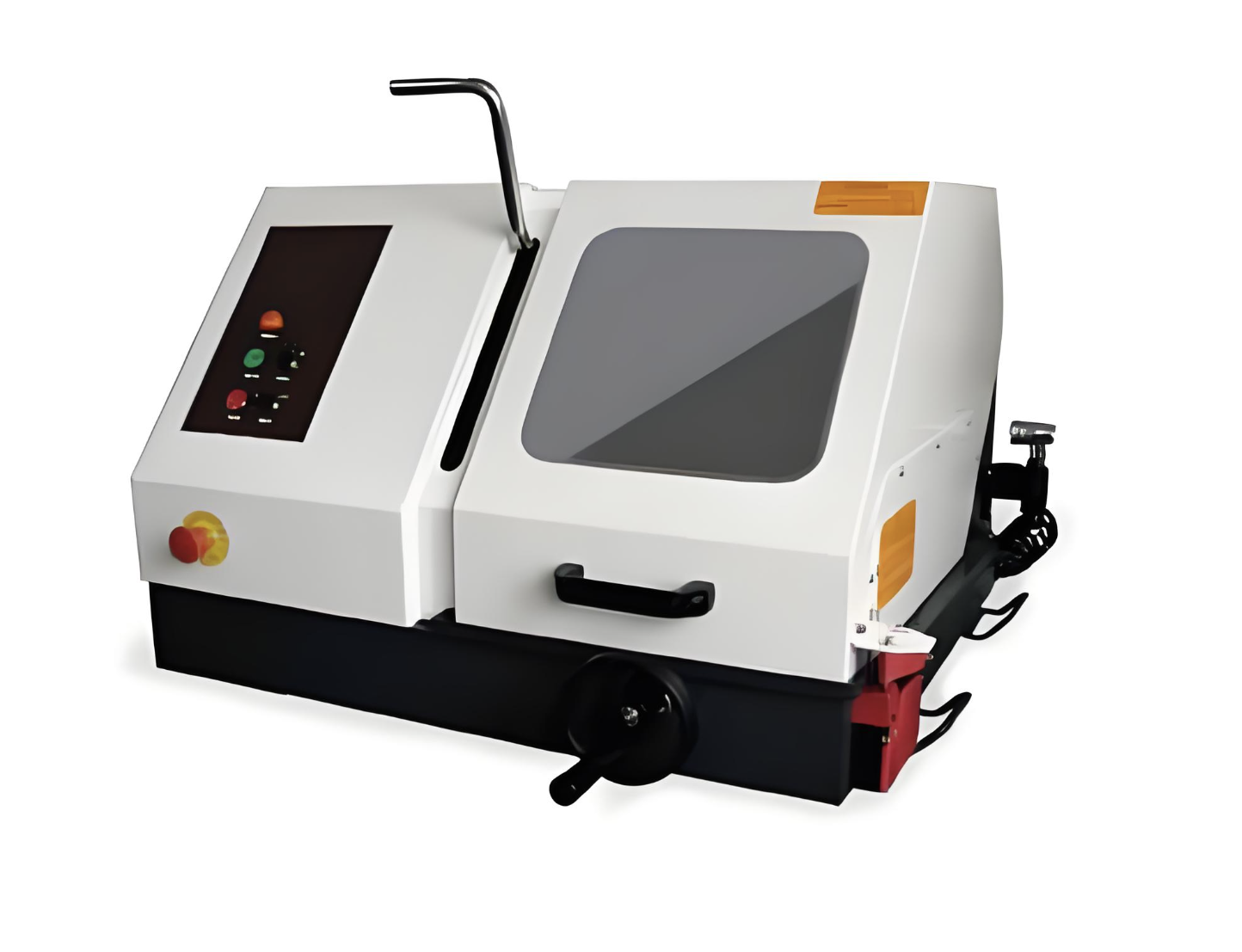
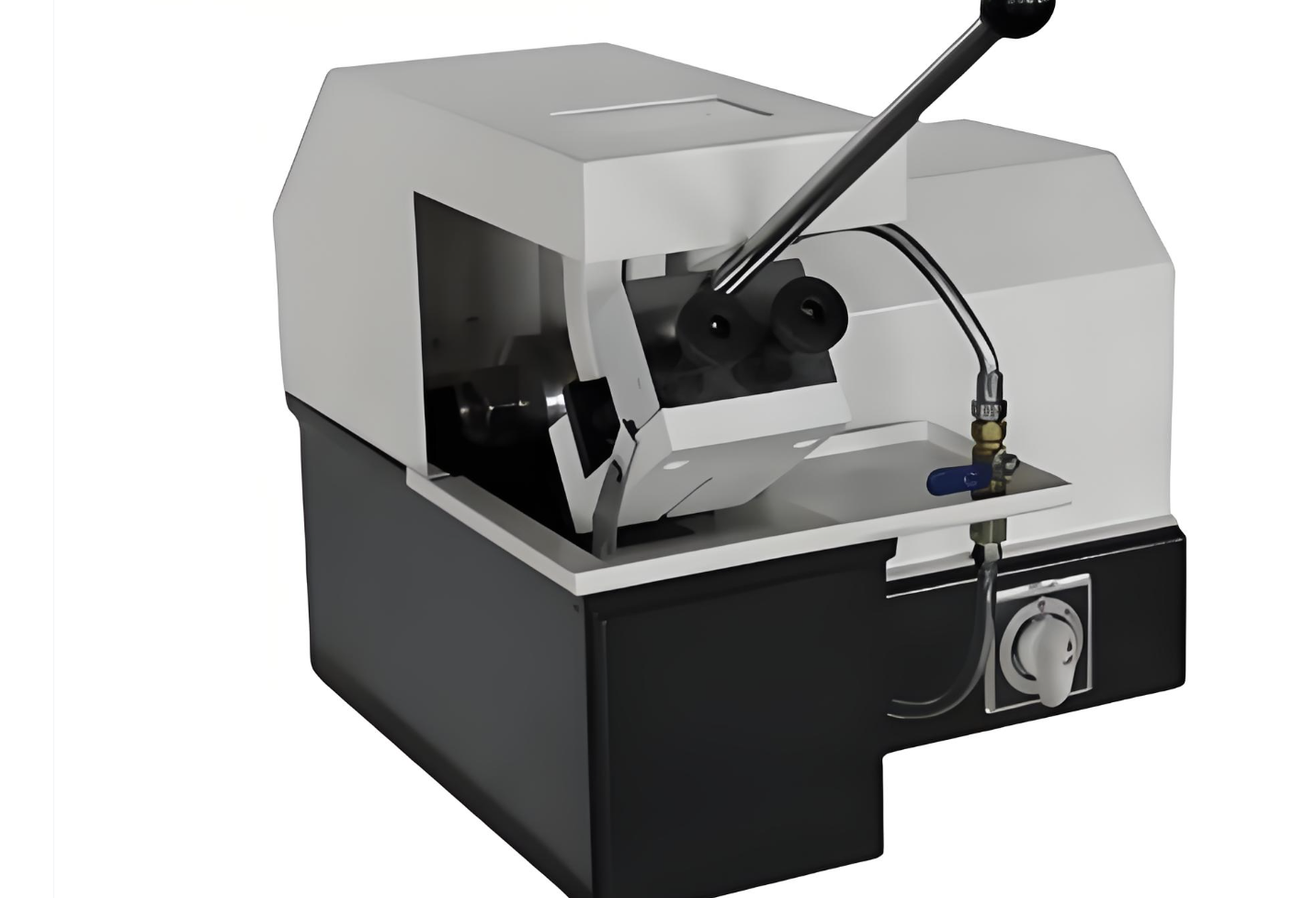
It adopts a variable frequency speed regulation motor to achieve a wide range of speed adjustment, which can adapt to the cutting needs of samples with different hardness and help avoid overheating damage to the sample structure. It is equipped with an adjustable manual fixture that can quickly fix samples of different sizes and improve clamping efficiency. The built-in flood cooling system flushes the cutting area in real time to help reduce cutting thermal deformation and surface burn of the sample. The IP54 protection grade adapts to the humid cleaning environment commonly found in laboratories, and the fully enclosed protection structure helps avoid splashing of cutting debris to ensure operational safety. The user-friendly quick-change cutting disc design allows replacement without special tools, reducing maintenance costs and suitable for laboratory scenarios with frequent daily use.
Product specifications:
The whole machine has dimensions of 650mm×550mm×450mm and a net weight of 85kg. It is equipped with a 200mm diameter diamond cutting disc as standard, adapting to sample cutting with a thickness of 3-10mm. The working speed can be accurately adjusted through the panel knob, covering a range of 100-3000rpm. The power supply supports 220V 50/60Hz general specifications with a rated power of 1.5kW. The workbench is equipped with a scale ruler to accurately control the cutting length, with a maximum cutting section of 120mm×100mm. It is equipped with a detachable debris collection tank to facilitate the cleaning of metal debris generated during cutting.
Product application:
It is mainly used for metallographic sample preparation in university material science laboratories, small and medium-sized metal parts quality inspection departments and precision hardware R&D centers. It is suitable for cutting samples of various materials such as aluminum alloy, carbon steel, ceramics and fiberglass, and can meet the rapid and precise cutting needs of daily batch medium and small-sized samples. It can also be used as a teaching demonstration device for metallographic experiment courses.
Frequently Asked Questions (FAQ)
Q:What are the key features of a manual precision metallographic cutter?
A:Manual precision metallographic cutters feature: 1) Adjustable cutting speed (100-3000 RPM), 2) Diamond or alumina cutting wheels for precise sectioning, 3) Clamping systems for sample stability, and 4) Coolant systems to prevent thermal damage to specimens.
Q:How does a manual metallographic cutter differ from automated models?
A:Manual cutters require operator control for feed rate and pressure, while automated models offer programmable settings. Manual versions are cost-effective for low-volume labs, but automated systems provide better repeatability for high-throughput metallography.
Q:What materials can be processed with a precision metallographic cutter?
A:Suitable for metals (steel, aluminum, titanium), ceramics, composites, and electronic components. The cutter's wheel selection determines material compatibility - diamond wheels for hard materials (HRC 50+), silicon carbide for softer alloys.
Q:Why is coolant important in metallographic cutting?
A:Coolant: 1) Prevents overheating that alters microstructure, 2) Extends cutting wheel life by reducing friction, 3) Flushes away debris for cleaner cuts. Water-soluble coolants are standard for most applications (5-10% concentration).
Q:What safety precautions are needed when operating manual metallographic cutters?
A:Essential precautions: 1) Always wear ANSI-approved eye protection, 2) Secure workpiece with vise/clamp, 3) Keep hands clear of rotating wheel, 4) Ensure proper coolant flow before cutting, 5) Regularly inspect wheel for cracks/damage.










 Post RFQ


 Chat
Chat


 ALL CATEGORIES