Basic Info
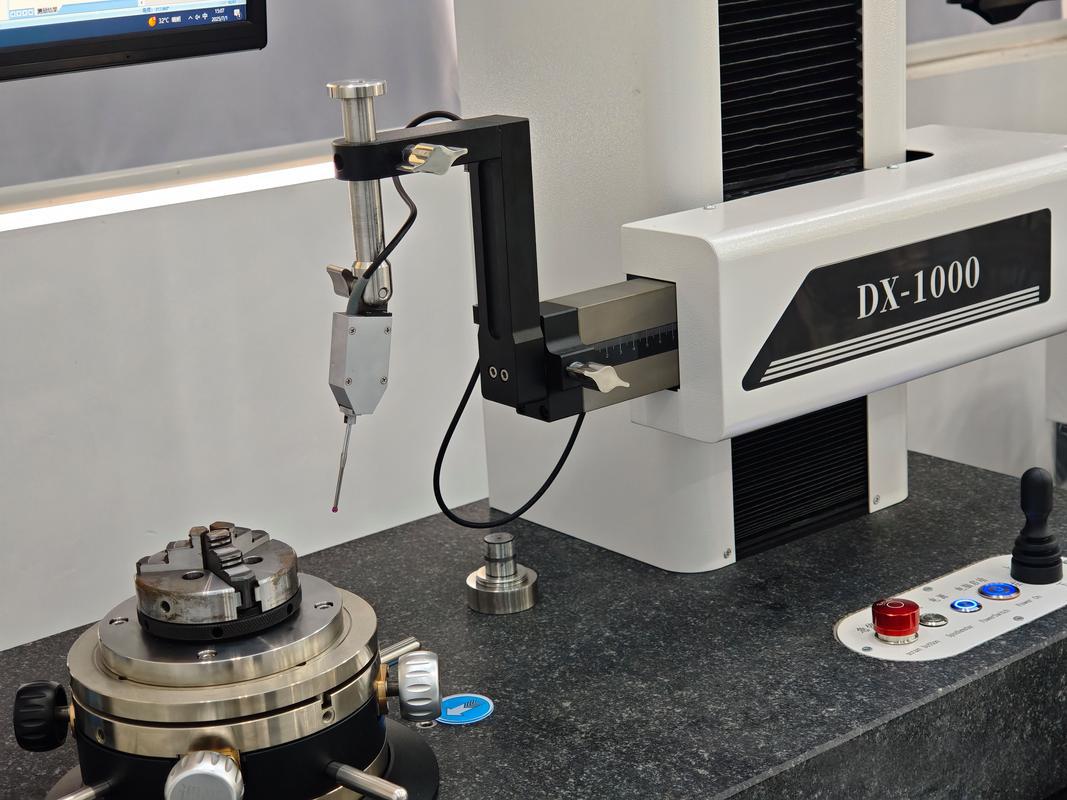
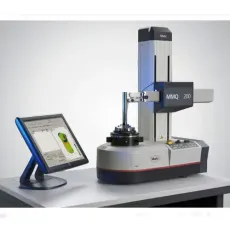
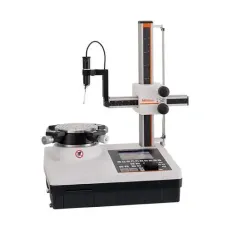
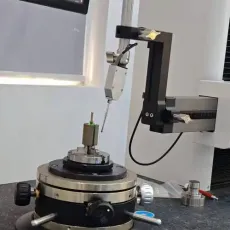
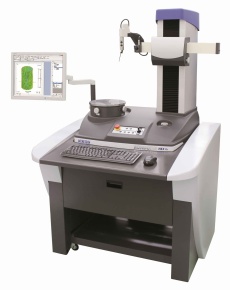
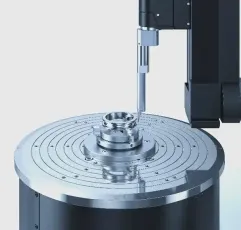
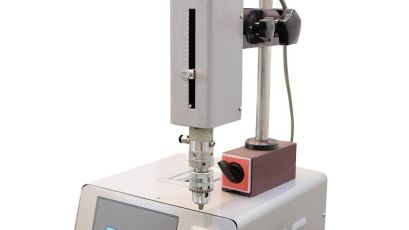
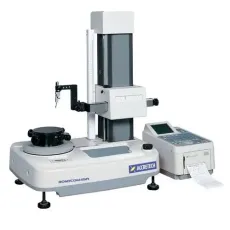
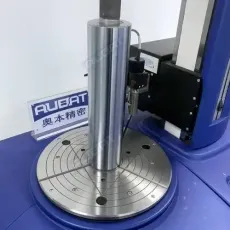
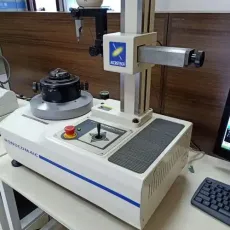
This in-line automated roundness tester is designed for automated production lines, and can be seamlessly integrated into precision parts machining production lines to realize real-time online detection. It can complete roundness and form and position error detection of batch workpieces without manual intervention. It adopts a laser non-contact sensor, which avoids damage to the surface of precision parts caused by contact detection. It is equipped with an industrial robot docking interface, which can realize fully automatic loading, testing and unloading processes, adapting to batch production scenarios such as auto parts, precision bearings, and electronic components. It can help enterprises realize full-process quality control of the production line, reduce manual detection errors, and improve production automation level.
Customer reviews

Michael Brown · Production Manager
The In-line Automated Roundness Tester has revolutionized our bearing production line. Its integration with our existing automation system was seamless, and the continuous measurement capability has eliminated our previous sampling inspection approach. The real-time data feedback allows for immediate process adjustments, reducing scrap rates by 23% in the first quarter of use. The maintenance requirements have been minimal, and uptime has exceeded our expectations.
Product Description
Product features:
It adopts non-contact laser detection technology, which can complete high-precision detection without contacting the workpiece surface. It is compatible with a variety of workpiece fixtures and supports rapid model change. It is equipped with AI intelligent detection algorithm, which can automatically identify defective products and trigger sorting signals. It supports production line data networking, and can upload detection data to the MES system in real time. It has self-diagnosis function, which can monitor the operating status of the equipment in real time, reducing maintenance costs, and supports customized detection procedures to meet the detection needs of different workpieces.
Product specifications:
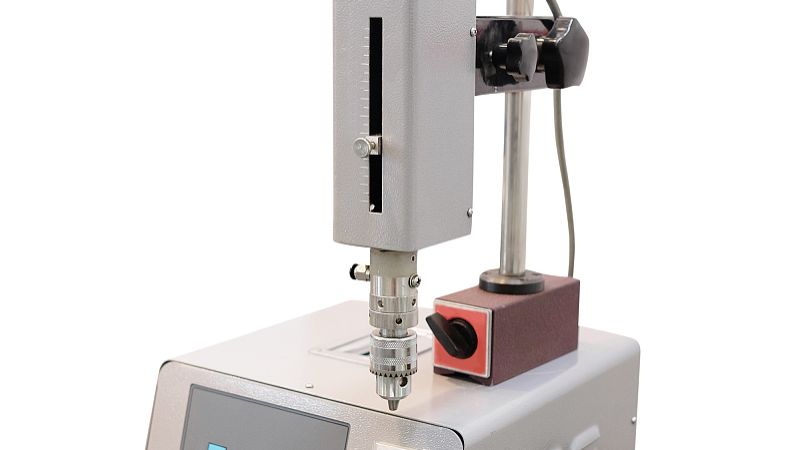
Host size: 2500mm(L) × 1800mm(W) × 2200mm(H), detection accuracy 0.05μm, single workpiece detection speed 10pcs/min, workpiece size range φ50-φ200mm, laser sensor range ±1000μm, detection repeat accuracy ≤0.02μm, power supply AC 380V 50Hz, power consumption about 2.5kW, total weight 850kg, working temperature 18-28℃, relative humidity 40-60% RH, protection grade IP40, data transmission rate ≥100Mbps.
Product application:
It is suitable for automated production line quality inspection in industries such as auto manufacturing, electronic components, and hardware tools. Specifically, it can be used for batch on-line inspection of auto bearings, quality control of precision gear machining production lines, electronic component packaging inspection, batch inspection of medical device parts, and form error inspection of hardware stamping parts. It can help enterprises realize fully automated quality control and improve production efficiency and product consistency.
Frequently Asked Questions (FAQ)
Q:What are the key advantages of using an in-line automated roundness tester in manufacturing?
A:In-line automated roundness testers offer real-time quality control, high-speed measurement (up to 1000 parts/hour), and reduced human error. They ensure consistent precision (±0.1µm accuracy) for cylindrical components like bearings or shafts, optimizing production efficiency.
Q:How does an in-line automated roundness tester improve production line efficiency?
A:By integrating directly into production lines, these testers eliminate manual inspection bottlenecks. Features like automatic loading/unloading and instant NG part rejection minimize downtime, increasing throughput by 30-50% compared to offline testing methods.
Q:What industries benefit most from in-line automated roundness testing?
A:Automotive (engine components), aerospace (turbine blades), medical (implants), and precision engineering industries rely on these testers for critical roundness verification. They meet ISO 1101 and ASME Y14.5 standards for geometric tolerancing.
Q:What technical specifications should be considered when selecting an in-line roundness tester?
A:Key specs include measuring range (typically Ø1-200mm), resolution (0.01µm), rotational speed (10-60 RPM), and compliance with ISO 12180/4291 standards. Look for models with temperature compensation and vibration resistance for shopfloor use.
Q:Can in-line automated roundness testers measure other parameters besides roundness?
A:Yes, advanced models simultaneously measure concentricity, cylindricity, and surface roughness. Some integrate with Industry 4.0 systems for SPC analysis, providing comprehensive form error data for process optimization.









 Post RFQ


 Chat
Chat


 ALL CATEGORIES