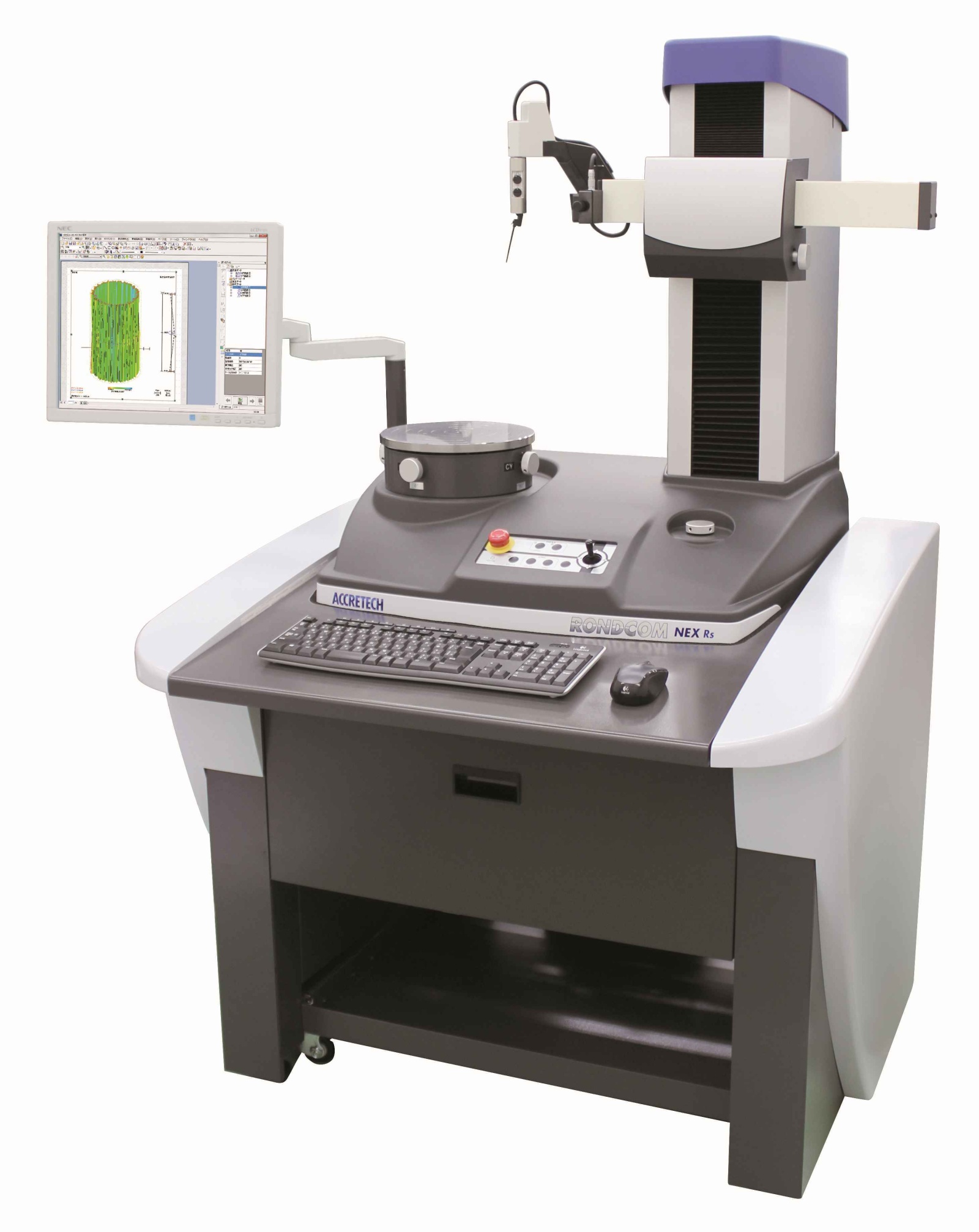



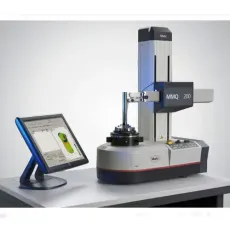
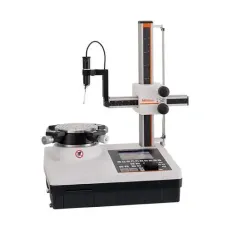
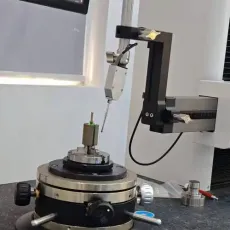
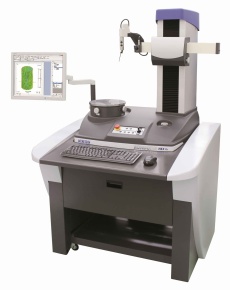
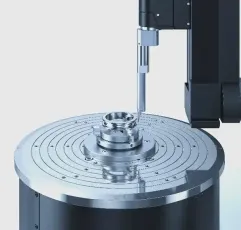
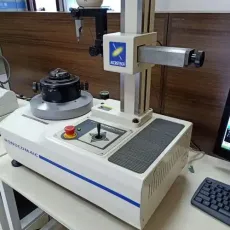
The core advantage of this tester lies in its ultra-high measurement accuracy and stable performance. The spindle adopts a precision air bearing structure, which ensures minimal radial and axial runout, laying a foundation for high-precision measurement. Equipped with a professional built-in roundness evaluation software, it can automatically analyze and generate detailed measurement reports, supporting multiple evaluation algorithms such as least squares method and minimum zone method. It also supports traceable calibration, ensuring the accuracy of measurement results can be verified and traced. The 10.4-inch touch screen provides a humanized operation interface, allowing users to quickly set parameters and view measurement data efficiently.
This roundness tester has a measuring range of φ50mm to φ400mm, with a resolution of 0.01μm and measurement accuracy of ≤0.03μm. The spindle speed can be adjusted between 0.5rpm and 6rpm to adapt to different workpiece measurement needs. It can bear a maximum workpiece weight of 50kg, meeting the measurement requirements of most medium-sized precision parts. The device is equipped with a 10.4-inch industrial touch screen, and supports multiple data output interfaces including USB, Ethernet and RS232 for convenient data transmission and remote control. It uses a 110/220V AC universal power supply, with a protection grade of IP40, suitable for conventional laboratory environment use. The built-in software supports automatic report generation and data storage of up to 5000 sets of measurement records.
This bench-top roundness tester is widely applicable to high-precision manufacturing and quality inspection industries. It is suitable for detecting form errors of precision bearings, automotive transmission gears, mold cavities, medical surgical instrument parts and other components. It can be used in aerospace component testing, high-end electronic product precision parts inspection, and academic institution metrology laboratory research. It helps enterprises improve product quality control efficiency, reduce defective product rates, and provide accurate measurement data for product development and optimization.







 Post RFQ


 Chat
Chat


 ALL CATEGORIES