Basic Info
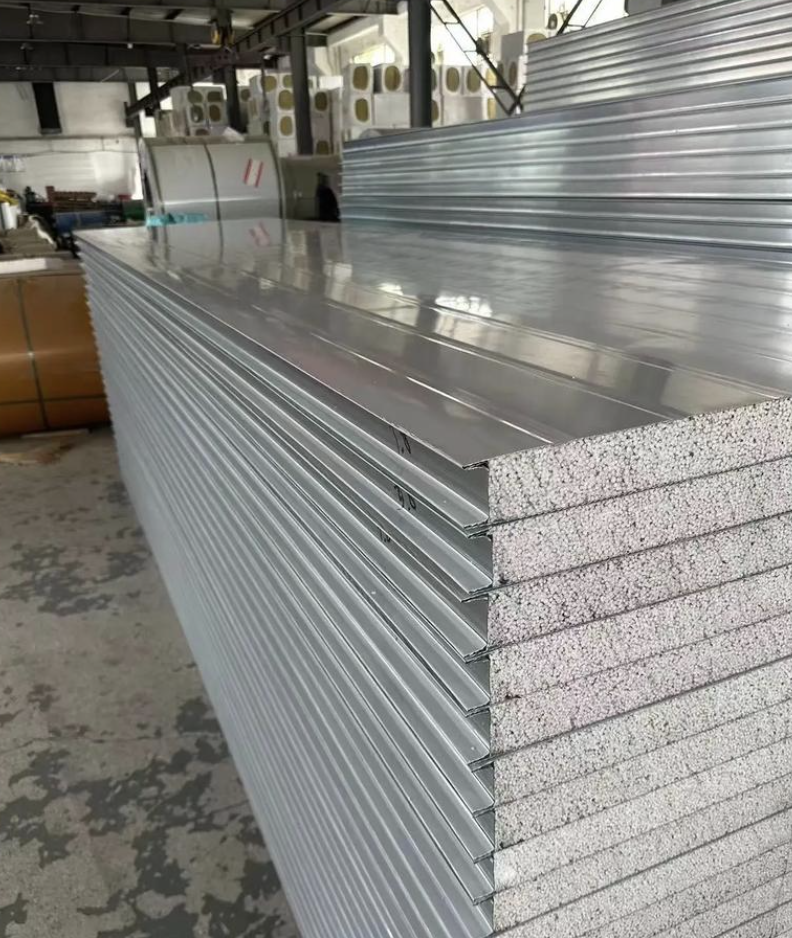
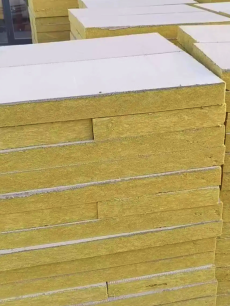
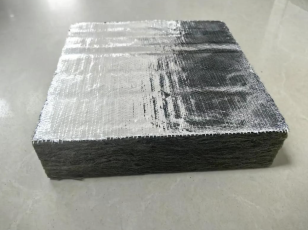
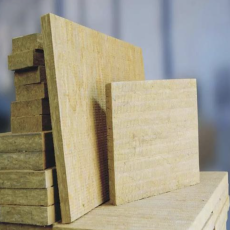
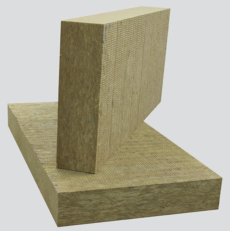
This sound insulation rock wool board is designed for strong noise environments such as industrial production workshops and machine rooms. It improves the sound insulation and noise reduction performance by optimizing the fiber arrangement structure, solving the problem that excessive noise in industrial places affects employee health and production efficiency. It has both fire protection and thermal insulation functions, is suitable for sound insulation projects of interior walls, ceilings and equipment rooms of workshops, complies with industrial place environmental noise standards, and can effectively reduce the transmission of workshop noise to external areas.
Customer reviews

Emily Johnson · Occupational Health Specialist
As a health and safety professional, I highly recommend these rock wool panels for industrial settings. They've helped us comply with workplace noise regulations while protecting employees' hearing. The density and thickness of the panels provide excellent sound absorption, particularly for low-frequency machinery noise. We've measured a consistent 15-20dB reduction across different areas of the workshop.
Robert Chen · Acoustic Engineer
From a technical perspective, these soundproof panels demonstrate excellent noise reduction coefficients (NRC). Their multi-layer composition effectively absorbs and dampens various frequency ranges common in industrial environments. I've tested them in several workshops and found they outperform many competing products in both performance and fire resistance properties.
Product Description
Product features:
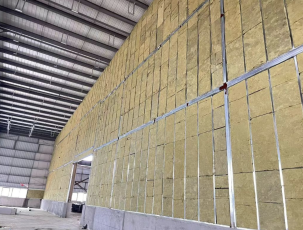
Adopting oriented fiber arrangement technology to improve the sound insulation effect of medium and high frequency bands. The sound insulation volume of a 100mm thick board can reach 32dB, which is better than the sound insulation performance of traditional rock wool boards. Class A fire performance meets the fire protection requirements of industrial plants. The low moisture absorption rate avoids the decline of sound insulation performance due to moisture absorption. The keel installation method adapts to the existing steel structure base of the workshop, and the construction is convenient without complex base treatment. No harmful chemical substances are released to meet the workshop environmental protection requirements, and it can be cut into any size according to on-site needs.
Product specifications:
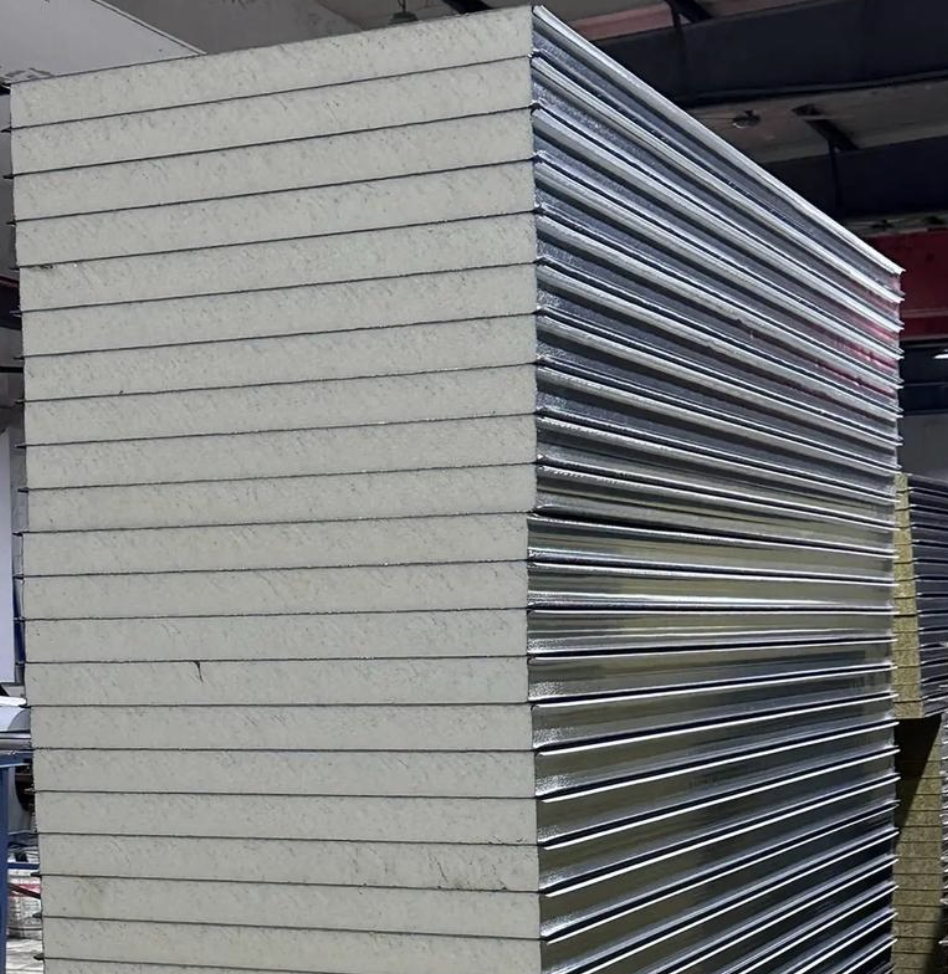
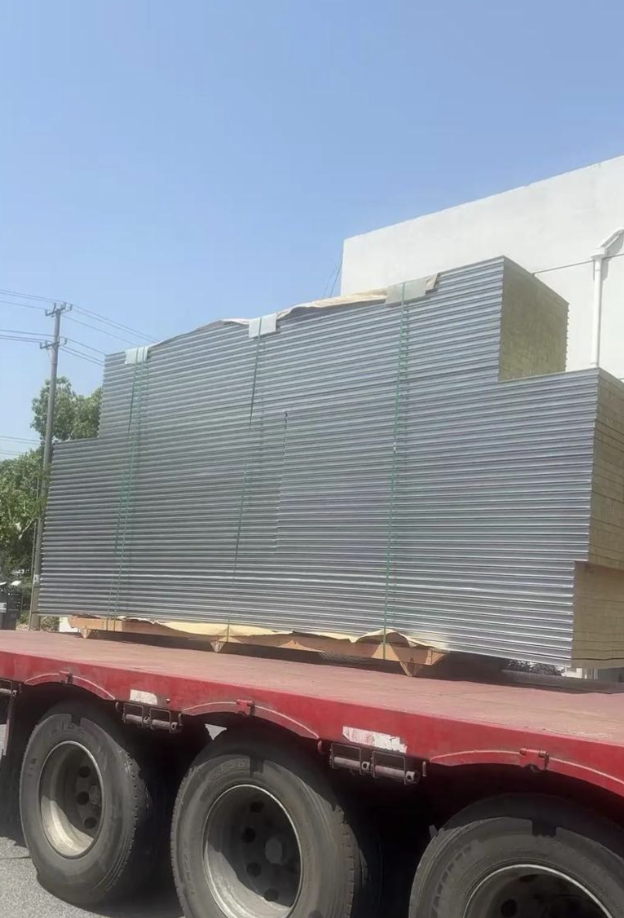
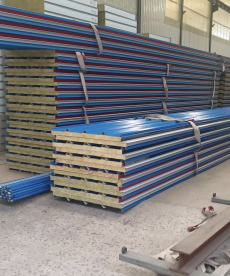
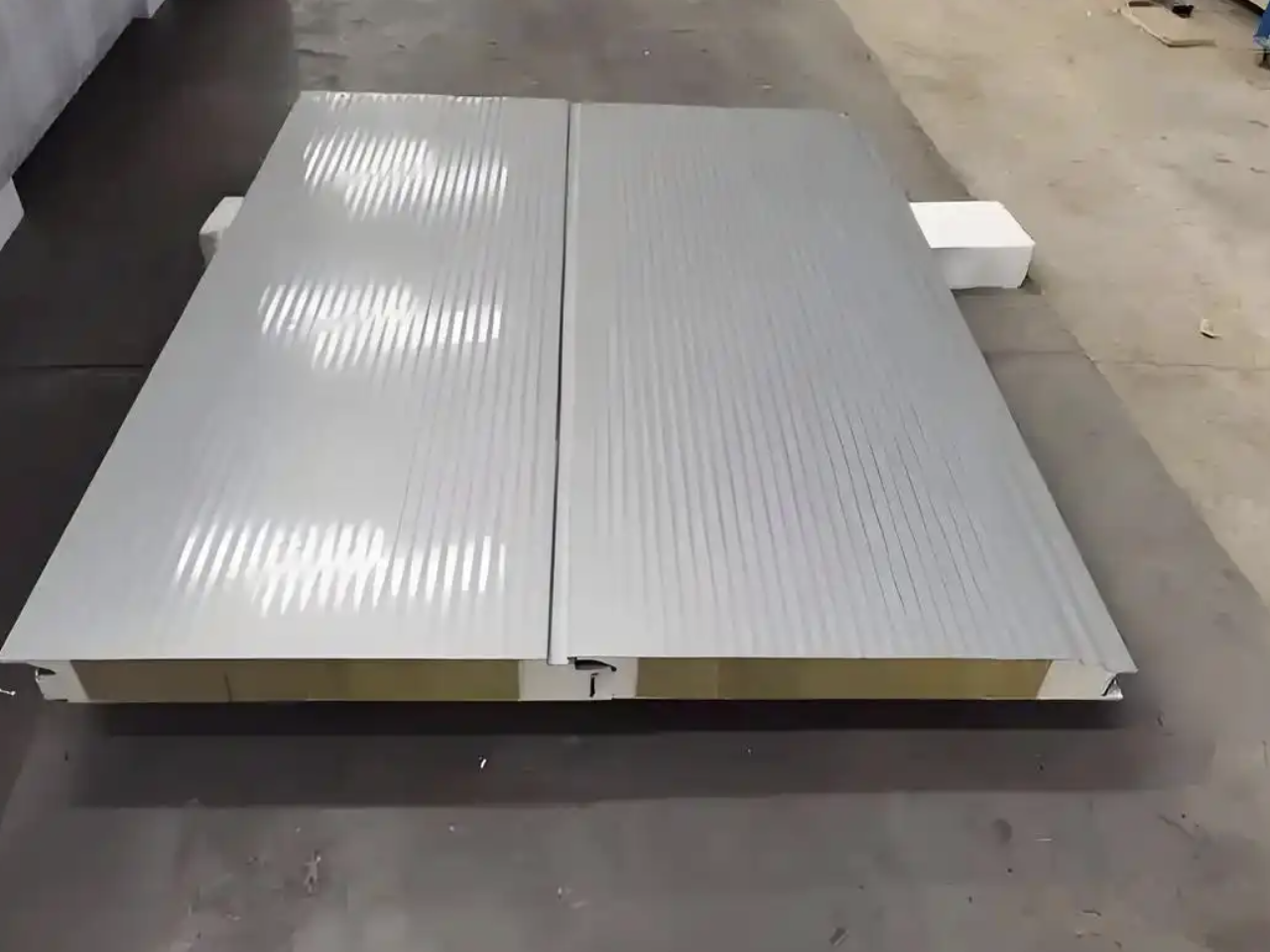
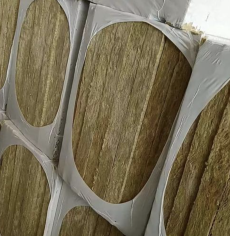
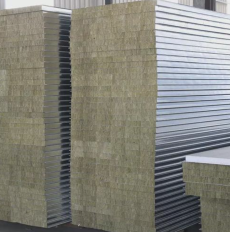
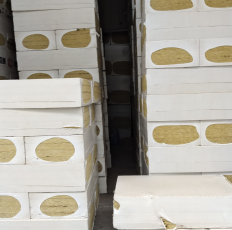
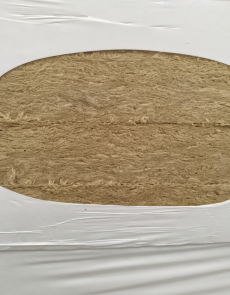
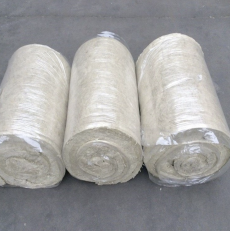
The board size can be selected as 1200mm×600mm or 2400mm×600mm, with optional thicknesses of 50mm/75mm/100mm. The density is 120kg/m³, and the airborne sound insulation volume of a 100mm thick board is ≥32dB. The thermal conductivity is 0.040W/(m·K) at 25℃, the compressive strength is ≥30kPa, and the combustion performance conforms to the GB 8624 Class A standard. The environmental indicators meet the E1 class formaldehyde emission limit requirements, the moisture absorption rate is ≤5%, and the applicable temperature range is -10℃~100℃. The packaging uses shrink film, with about 250 square meters of boards per pallet.
Product application:
It is suitable for interior wall sound insulation of industrial production workshops, ceiling sound insulation of large equipment rooms, noise isolation of substations, noise protection of canteen back kitchens, and wall noise reduction projects of logistics sorting centers. It adapts to various base layers such as steel structure and concrete, and can form a composite sound insulation wall combined with light steel keel and gypsum board. It effectively reduces the workshop internal noise to meet the occupational health and safety standards, and reduces the impact of noise on surrounding residents.
Frequently Asked Questions (FAQ)
Q:What are the installation requirements for industrial soundproof rock wool panels?
A:Installation requires a clean, dry surface, proper sealing of joints, and secure fixing with screws or adhesives. Panels should overlap by at least 50mm to ensure optimal soundproofing and thermal performance.
Q:Can soundproof rock wool panels be used in high-temperature industrial environments?
A:Yes, rock wool panels can withstand temperatures up to 750°C, making them suitable for high-heat areas like furnaces or boilers. They also maintain structural integrity and fire resistance under extreme conditions.
Q:How do soundproof rock wool panels compare to other industrial soundproofing materials?
A:Rock wool panels outperform foam or fiberglass in fire resistance (A1 vs. B1/B2) and durability. They offer superior sound absorption (50-60dB) and thermal insulation, though they may be heavier and slightly more expensive.












 Post RFQ


 Chat
Chat


 ALL CATEGORIES