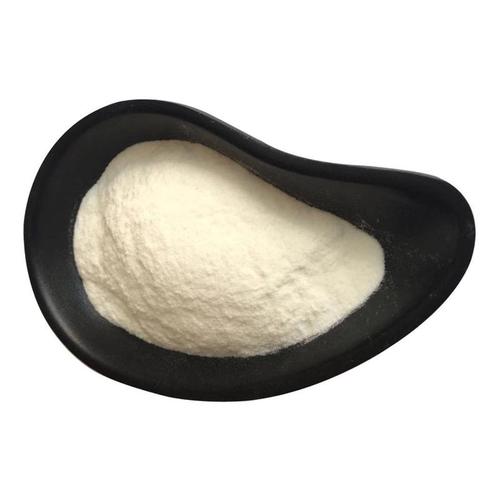




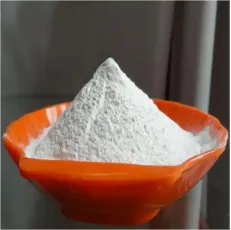
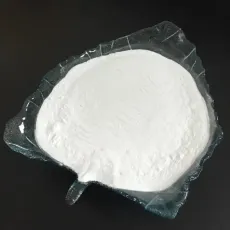
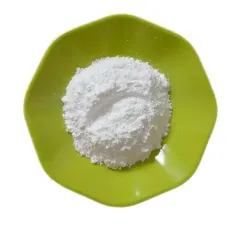
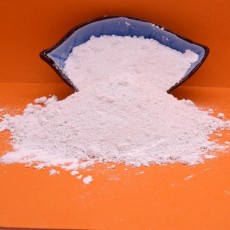
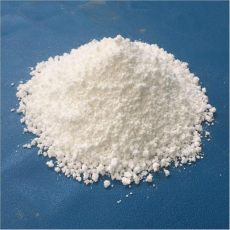
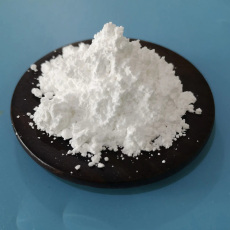

This product uses modified lithium silicate synthesis process, added with nano-scale aluminum oxide additives. Compared with traditional lithium silicate binders, the high-temperature bonding strength is increased by more than 30%, and it can maintain structural stability in a high-temperature environment of 1600℃ without producing harmful volatile substances. The silicate network structure formed after curing can form chemical bonding with refractory aggregates, avoiding cracking and peeling problems at high temperatures. At the same time, it has excellent acid and alkali corrosion resistance, and can be used for a long time in harsh high-temperature industrial environments, reducing the replacement frequency and maintenance costs of refractory materials.
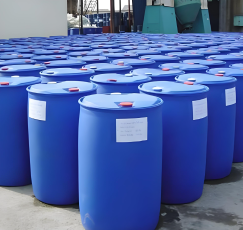
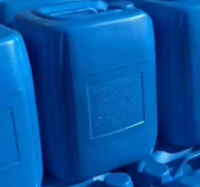
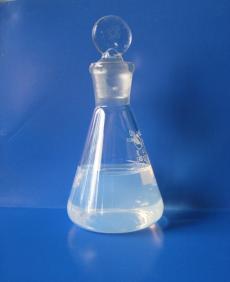
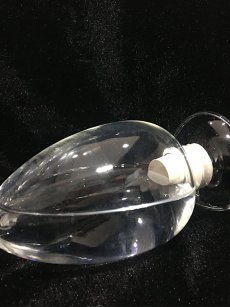
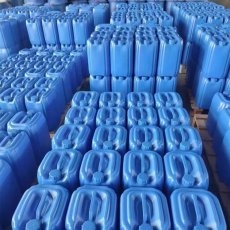
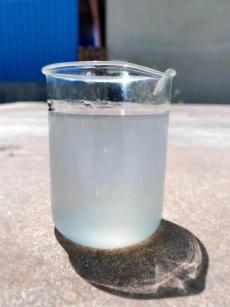
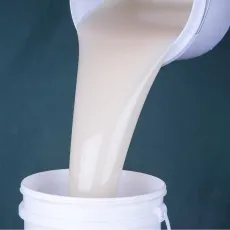
The solids content is 50±2%, the density is 1.42 Grams per Cubic Centimeter at 25℃, and the pH value range is 10.5-11.5. The product is packaged in 20 Kilograms per plastic drum, with a coating dosage of 0.2-0.3 Liters per Square Meter. It needs to be diluted with clean water, with a dilution ratio of 1:1 (binder: water). The curing temperature range is 10℃-45℃, and the maximum strength can be achieved after 48 hours of normal temperature curing. The high-temperature use temperature can reach 1600℃.
It is mainly used in blast furnace linings of metallurgical industry, cement kiln linings, ceramic kiln furniture, refractory castables and other scenarios. It can be used as a binder mixed with refractory aggregates, or as a surface coating agent to improve the structural strength of refractory materials. It adapts to the refractory protection needs of various high-temperature industrial equipment, helping customers reduce the maintenance costs and downtime of high-temperature industrial equipment and improve production efficiency.







 Post RFQ


 Chat
Chat


 ALL CATEGORIES