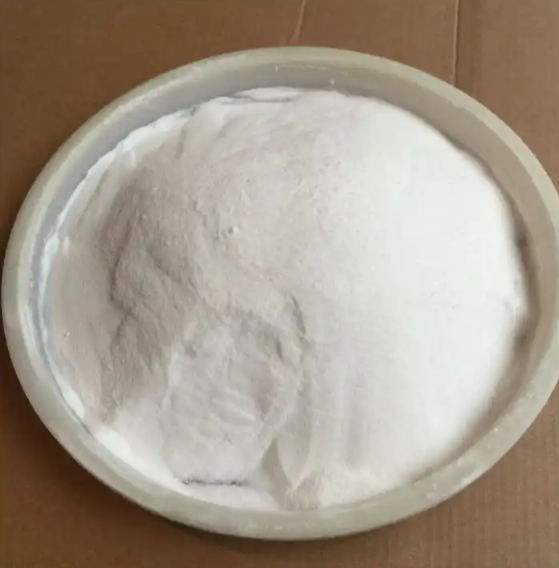




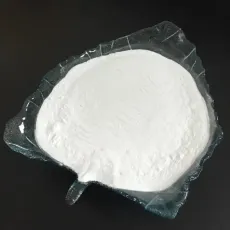
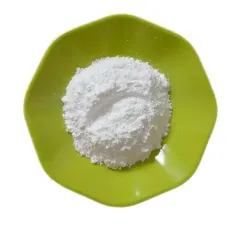
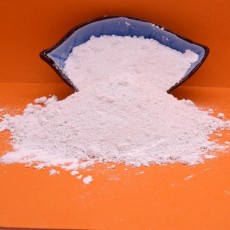
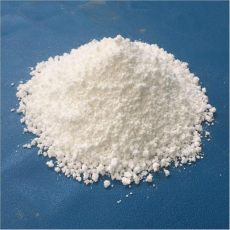
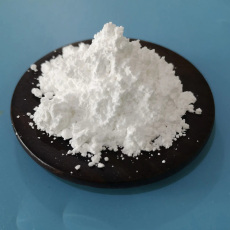

This product has a reasonable particle size distribution of 100-300 mesh, which can be uniformly mixed with other raw materials of castables, improving the uniformity of the castable mixture. The addition ratio of 0.5-2% can effectively reduce the water consumption of castables by more than 12%, improving the construction fluidity of the castables and reducing the generation of construction waste. After adding this additive, the compressive strength of the castable can be increased by more than 18%, and the refractoriness can reach ≥1750℃, improving the high-temperature resistance of the refractory lining. It has good thermal shock resistance, which can withstand repeated temperature changes in the kiln, reducing the cracking and peeling of the refractory lining. Compared with traditional refractory additives, it has no toxic components, which meets the environmental protection requirements of modern industrial production.
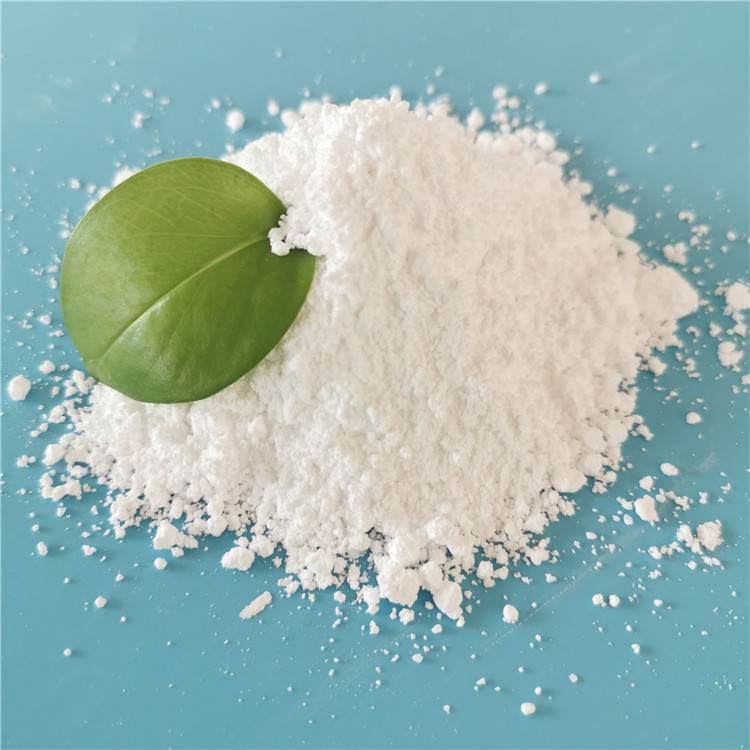
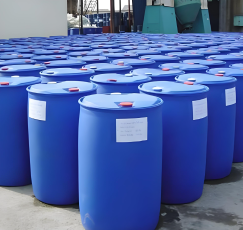
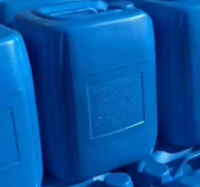
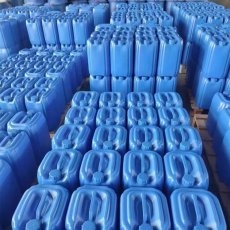
The product is a light yellow powdery solid with a PH value of 9.0-10.0, a bulk density of 0.75±0.05g/cm³, and a moisture content of ≤1%. It needs to be stored in a cool and dry place to avoid moisture absorption. The packaging adopts 1000kg sealed plastic pallets, which is convenient for transportation and loading and unloading. When used, it should be uniformly mixed with refractory castable raw materials such as alumina, silicon carbide and magnesite according to the addition ratio of 0.5-2%, and then added with water for construction. The unopened shelf life is 12 months.
This product is mainly used as an additive for refractory castables in various high-temperature industrial kilns, including cement production lines, steel-making converters, steel rolling heating furnaces, glass melting furnaces, non-ferrous metal smelting furnaces and other industrial equipment. In the cement industry, it can improve the service life of the cement kiln refractory lining by more than 20%, reducing the downtime of the kiln maintenance. In the steel industry, it can resist the erosion of high-temperature molten steel and flue gas, improving the stability of the steel-making production. In the glass industry, it can ensure the stability of the glass melting furnace lining, reducing the generation of glass defects caused by refractory peeling.









 Post RFQ


 Chat
Chat


 ALL CATEGORIES