






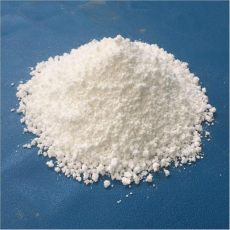
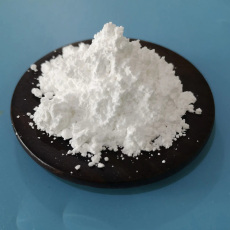

This product has ultra-high purity of ≥99.9%, which effectively reduces the side reactions between the electrolyte and the electrode material, improving the cycle stability of the battery. The ionic conductivity of 1.2×10^-3 S/cm at 25℃ reaches the leading level in the industry, ensuring the normal transmission of lithium ions and meeting the high-power discharge demand of batteries. The particle size distribution is uniform, with D50=5±1μm, which is conducive to the uniform mixing of the electrolyte and the electrode material, improving the interface performance of the battery. It has excellent thermal stability, which will not decompose at 600℃, effectively solving the safety pain point of traditional liquid electrolytes that are easy to catch fire and explode at high temperatures. In addition, it has good compatibility with a variety of cathode materials such as NCM and LFP, and can be adapted to different types of solid-state battery production lines.
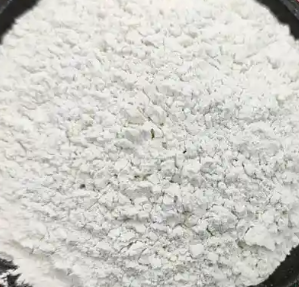
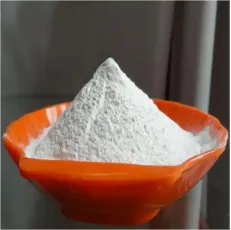
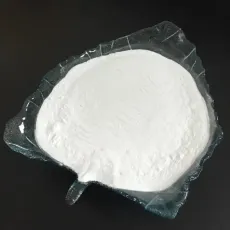
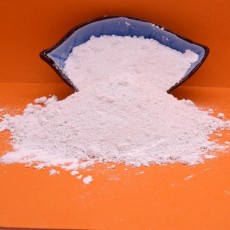
The product is a white powdery solid with a moisture content of ≤50ppm, ensuring the stability of the electrolyte performance during storage and use. The bulk density is 0.85±0.05g/cm³, and the particle size distribution is concentrated between 3-7μm, which is convenient for mixing with the electrode slurry. It needs to be stored and transported in an argon-filled sealed environment to avoid moisture absorption and performance degradation. The packaging adopts 1kg argon-filled aluminum foil bags, and 25kg sealed wooden boxes for large-batch procurement. The unopened shelf life is 24 months when stored in a cool and dry environment with a temperature of 15-25℃ and humidity ≤30%.
This product is mainly used in the production of solid-state lithium batteries, including new energy vehicle power batteries, portable consumer electronics batteries (such as smart phones, wearable devices) and grid-scale energy storage batteries. In the new energy vehicle industry, it can improve the cruising range of electric vehicles by more than 30% compared with traditional liquid electrolyte batteries, and reduce the risk of battery thermal runaway, improving the safety of electric vehicles. In the consumer electronics industry, it can make the battery thinner and lighter, and improve the service life of electronic devices. In the energy storage field, it can provide long-cycle and high-stability energy storage support for new energy power generation such as wind and solar energy.














 Post RFQ


 Chat
Chat


 ALL CATEGORIES