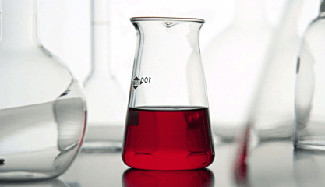
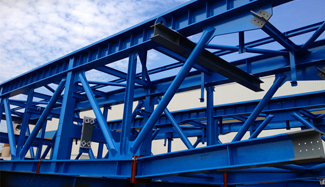





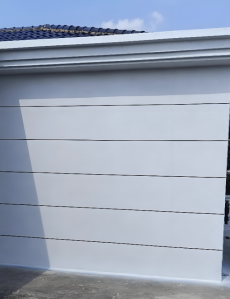
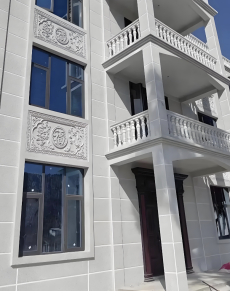
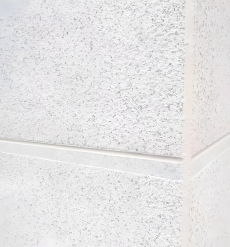


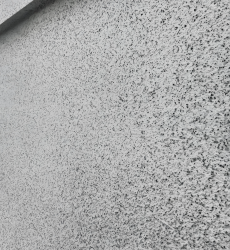

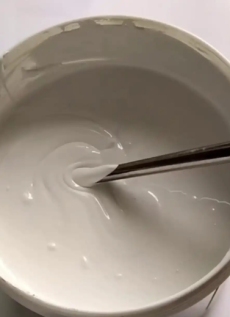
This product has three core advantages. First, it uses nano silica composite modified acrylic resin as the base material, which has excellent high-temperature stability up to 400℃, and will not yellow or lose transparency after long-term high-temperature exposure, maintaining the original aesthetic effect of the substrate. Second, it has a light transmittance of more than 92% at 550nm, which will not affect the light transmittance and visual effect of transparent substrates such as glass and ceramics. Third, it has excellent weather resistance and corrosion resistance, solving the pain points of ordinary transparent coatings that are prone to yellowing, cracking and peeling under high-temperature and ultraviolet radiation. It can also form a scratch-resistant protective layer on the surface of the substrate, improving the wear resistance of the substrate surface.
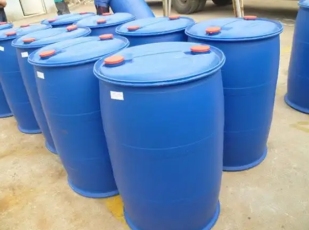
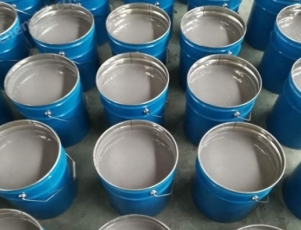
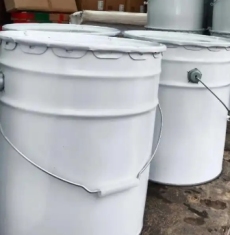
Base Material: Modified Acrylic Resin + Nano Silica Sol; Film Formation Type: One-component Water-based Curing; Dry Film Thickness Range: 10-25μm per coat, recommended 1-2 coats for total thickness 20-50μm; Curing Conditions: Natural curing at room temperature for 24h, or baking at 120℃ for 30 mins to accelerate curing; Density: 1.18g/cm³; Coverage: 12-15㎡ per Kilogram (at 15μm thickness); Construction Tool Compatibility: Suitable for spray guns and dip coating tanks; Storage Conditions: Store in a cool, dry place away from direct sunlight, temperature range 5-35℃; Packaging Specifications: 1kg/bottle, 5kg/barrel; Compliance Standards: Meets GB/T 1727-79, ASTM D1003 and EU REACH regulations.
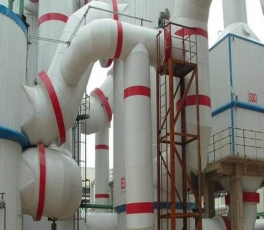
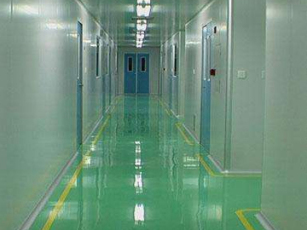
Main applicable scenarios include high-temperature glass furnace window transparent protection, ceramic craft surface high-temperature protective coating, electronic heating component transparent insulation protection, high-end metal surface decorative high-temperature protection, and solar thermal component surface anti-oxidation protection. It is suitable for industries such as handicraft manufacturing, electronic equipment, new energy, glass processing and ceramic production. Typical use cases include transparent coating on the surface of high-temperature glass furnace windows, protective coating on the surface of ceramic artworks, and transparent insulation coating on the surface of electronic heating elements, providing transparent and durable high-temperature protection while maintaining the original appearance and visual effect of the substrate.







 Post RFQ


 Chat
Chat


 ALL CATEGORIES