









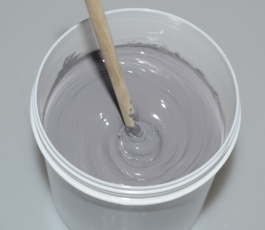
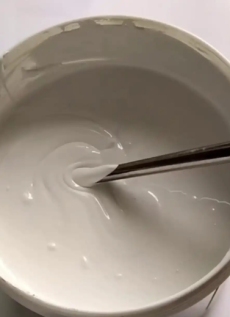
The core advantage of this product lies in its efficient cathodic protection and high-temperature anti-corrosion performance. The zinc content of up to 80% can form a dense zinc salt passivation layer, realizing long-term cathodic protection for steel substrates. Even if there is a small damage to the coating, it can effectively prevent the substrate from being corroded. It adopts a water-based solvent-free formula, with 0 VOC content, which fully meets environmental protection requirements, avoiding the peculiar smell and pollution problems of traditional solvent-based coatings. The high-temperature resistance can reach 800°F, and it can maintain the integrity and anti-corrosion performance of the coating in a long-term high-temperature environment. The construction is convenient and the drying speed is fast, the touch dry time is only 15 minutes, and the full cure time is only 12 hours, which can greatly shorten the construction period and improve the project efficiency.
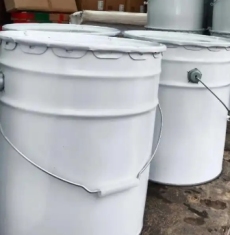
The detailed specifications of this inorganic zinc-rich high-temperature anti-corrosion paint are as follows: the wet film thickness is 70-90 μm, and the dry film thickness is 35-45 μm, with a density of 2.8 g/cm³. It should be stored in a sealed container in a cool and dry place, away from high temperature and open flames, with a shelf life of 12 months. It only needs air drying for curing, without the need for heating and baking, which is convenient for on-site construction of large steel structures. The applicable temperature range is from -10°F to 800°F, and the coating hardness can reach 2H after full curing, with excellent wear resistance.
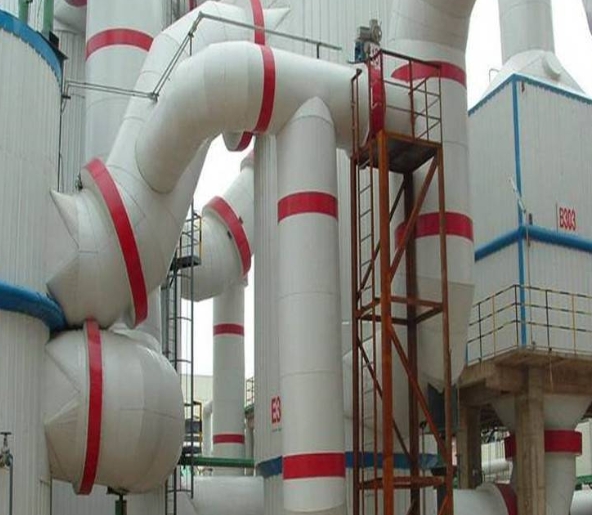
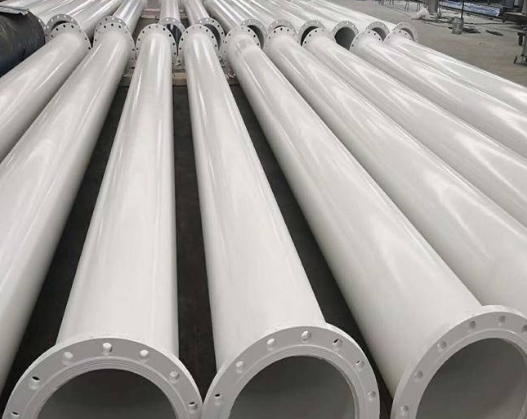
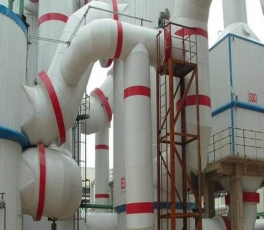
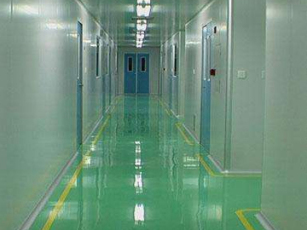
This product is mainly suitable for high-corrosion high-temperature scenes such as high-temperature steel structure workshops, metallurgical smelting equipment, petrochemical high-temperature pipelines, thermal power plant boiler steel structures and port machinery. In the metallurgical industry, it can be coated on the steel structure surface of sintering machines and iron-making blast furnaces to prevent high-temperature flue gas and dust from corroding the steel structure. In the petrochemical industry, it can be used for surface protection of high-temperature transmission pipelines and reaction kettles, effectively preventing corrosion of equipment by media and high temperature. In the port machinery field, it can resist the dual erosion of salt fog in the marine atmosphere and summer high temperature, extending the service life of the equipment.








 Post RFQ


 Chat
Chat


 ALL CATEGORIES