




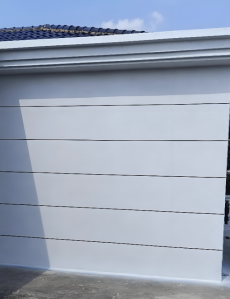






The core advantages of this ceramic-based insulating coating lie in its excellent high-temperature insulation performance, flame retardant properties and good adhesion. Compared with traditional insulating paints, it uses nano-ceramic materials to improve the high-temperature stability of the coating, and will not age or lose insulation performance after long-term high-temperature use. It has an insulation resistance of more than 10^12 Ω, which can effectively prevent electrical leakage and short circuits under high-temperature environments. It has a UL 94 V-0 flame retardant rating, meeting the safety requirements of electrical equipment. It has good adhesion to copper windings, motor stators and ceramic substrates, and will not peel off after repeated high-temperature cycles.
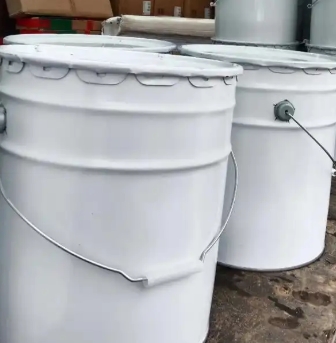
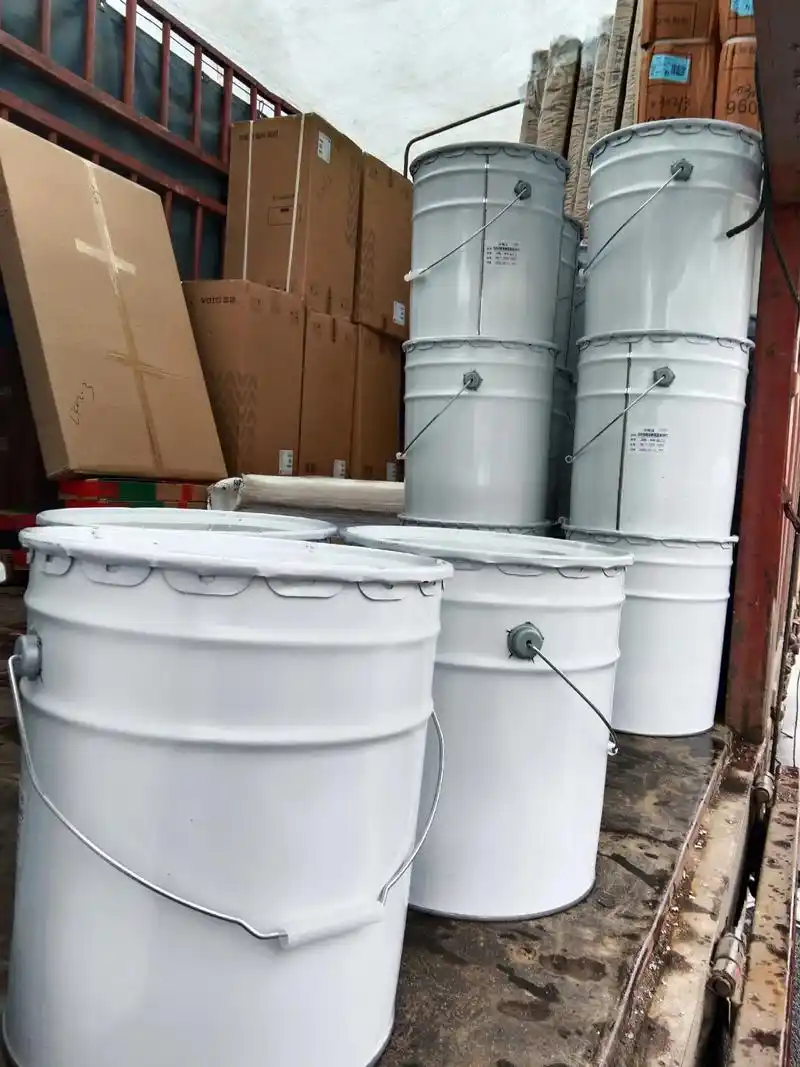
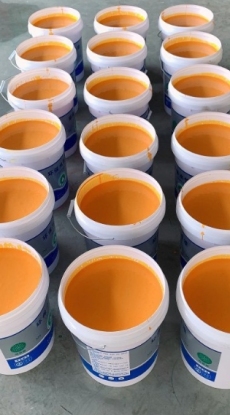
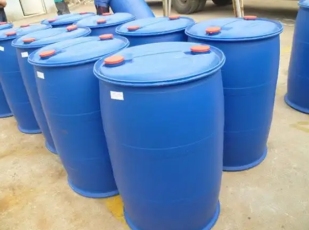
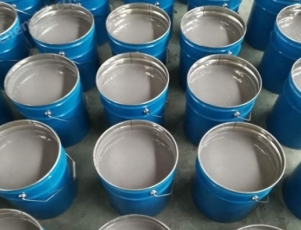
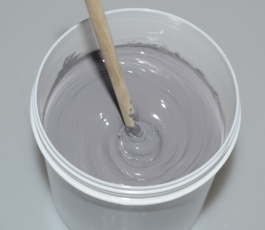
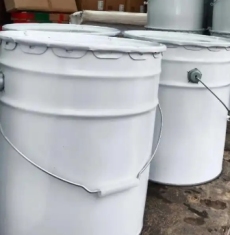
The detailed specifications of this product are as follows: maximum heat resistance temperature of 1000°C, available in transparent and light gray colors; solid content is 62%±2%; surface drying takes 2.5 hours, full drying takes 36 hours; insulation resistance is no less than 10^12 Ω; adhesion grade reaches level 1 through cross-cut test; compatible with copper windings, motor stators and ceramic substrates; VOC content is ≤60g/L, meeting environmental protection standards; obtained UL 94 V-0 flame retardant certification and IEC 60335 electrical safety certification; packaged in 1 Quart per sealed metal can and 5 Gallons per plastic drum, suitable for motor manufacturing and electrical equipment processing enterprises.
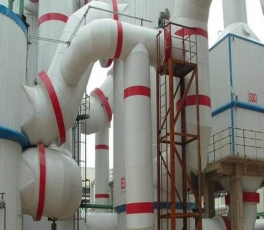
This ceramic-based high temperature resistant insulating paint is mainly applicable to high-temperature insulation protection scenarios of electrical equipment. It can be used for coating treatment of motor stator windings, transformer coil surfaces, high-temperature electrical switch shells, and protective coating of ceramic heating elements. It can also be used for maintenance and renovation of old high-temperature electrical equipment, effectively improving the insulation performance and service life of electrical equipment under high-temperature environments, and meeting the safety and reliability requirements of industrial electrical equipment.












 Post RFQ


 Chat
Chat


 ALL CATEGORIES