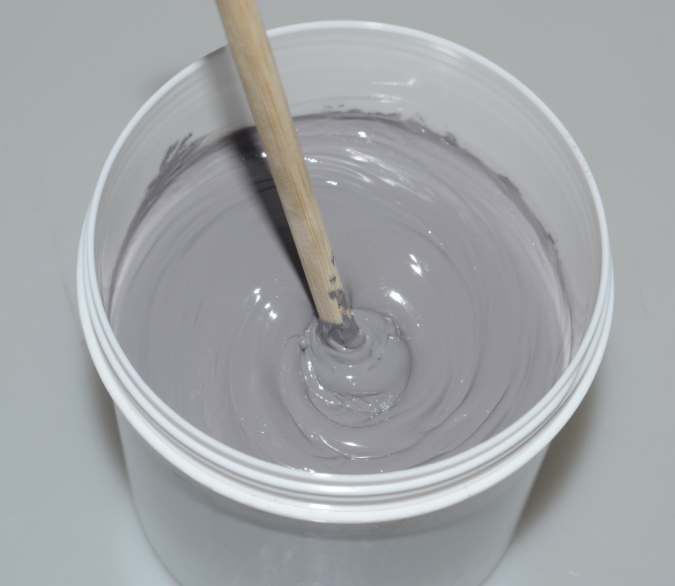
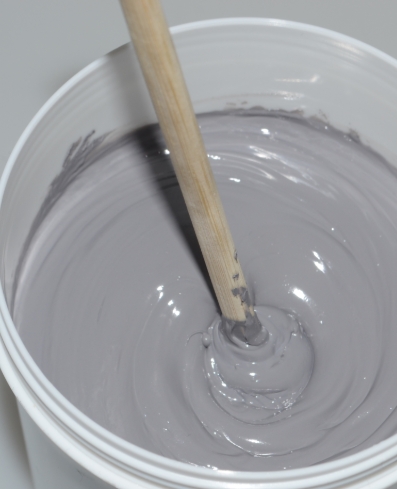





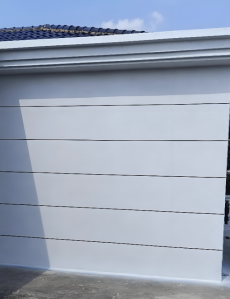



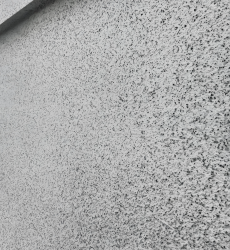

The core advantage of this product lies in its efficient heat insulation performance. The filled nano-ceramic particles can form a multi-layer heat insulation structure, effectively blocking thermal radiation and heat conduction. Compared with traditional high-temperature paints, its heat insulation rate is as high as more than 85%, which can significantly reduce the heat loss of equipment and achieve the purpose of energy saving and consumption reduction. At the same time, after 500 cold and hot cycle tests, the coating will not crack or peel, with excellent temperature cycle stability. It adopts an environment-friendly solvent formula, with VOC content less than 45g/L, which meets international environmental protection standards. The construction method is flexible, and it can be brushed, rolled or sprayed, suitable for various complex curved surfaces and special-shaped substrate surfaces, solving the pain points of traditional heat-insulating coatings such as difficult construction and poor adaptability.
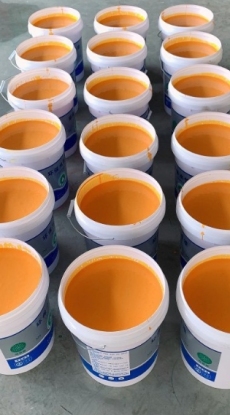
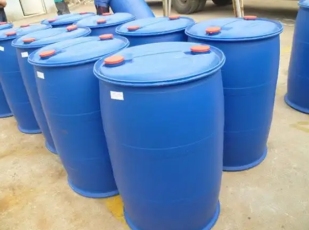
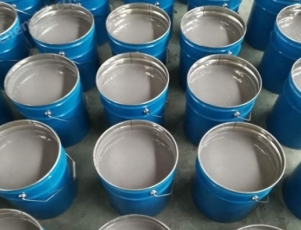
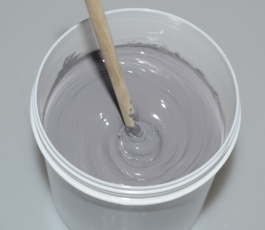
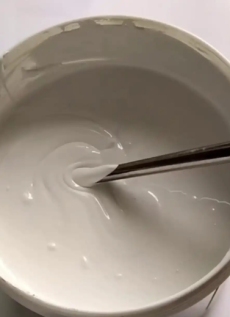
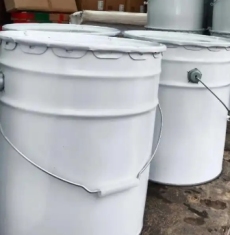
The detailed specifications of this ceramic filled high temperature heat insulation paint are as follows: the wet film thickness is 100-120 μm, and the dry film thickness is 40-50 μm, with a density of 1.3 g/cm³. It should be stored in a cool, dry and ventilated place, away from open flames and direct sunlight, with a shelf life of 12 months. It can be cured at room temperature, or accelerated cured at 250°F for 20 minutes to shorten the construction time. The applicable temperature range is from -20°F to 1800°F, and the thermal conductivity is as low as 0.03 W/(m·K), which ensures excellent heat insulation effect. Each container is 1 Gallon, and it is a single-component coating without the need for additional mixing of curing agents.
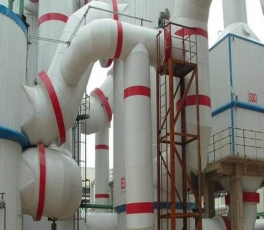
This product is mainly suitable for high-temperature scenes that require efficient heat insulation, such as the inner walls of high-temperature kilns, heat treatment furnaces, metallurgical smelting equipment, aerospace engine components and the inner walls of industrial ovens. In the glass manufacturing industry, it can be coated on the outer wall of the kiln to reduce the workshop environment temperature and improve the working environment of operators. In the new energy industry, it can be used for surface protection of photovoltaic module high-temperature testing equipment to prevent high temperature from damaging the equipment structure. It can also be used for surface protection of civil fireplaces, wood stoves and other high-temperature civil equipment, improving the safety and service life of the equipment.







 Post RFQ


 Chat
Chat


 ALL CATEGORIES