




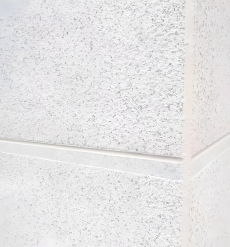
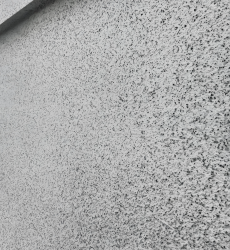

Using inorganic silicate as the film-forming base material, it does not contain any organic volatile matter, and will not produce smoke or toxic emissions at high temperatures. The formed inorganic ceramic film can withstand up to 1200℃ high temperature, with a thermal conductivity of only 0.03W/(m·K), which effectively reduces heat loss inside the kiln and improves energy utilization efficiency. Compared with organic high-temperature paints, its adhesion reaches grade 0, and there is no peeling or cracking after 500 thermal cycles (from 1200℃ to room temperature). It is compatible with a variety of high-temperature substrates, and can be used in ultra-high temperature scenarios such as kiln linings and high-temperature electric furnace inner walls, effectively extending the service life of equipment.
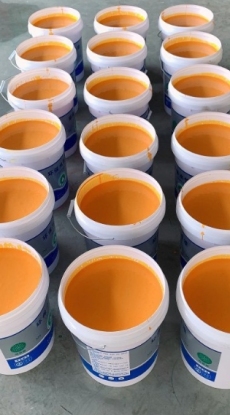
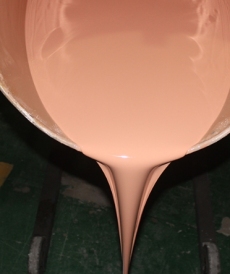
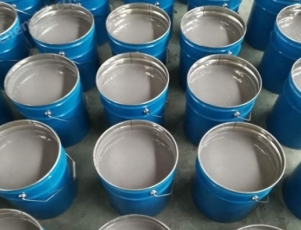
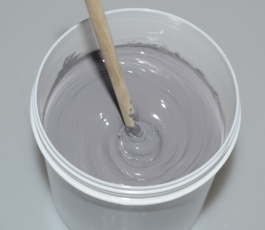
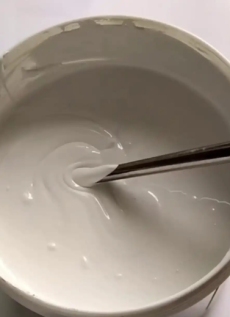
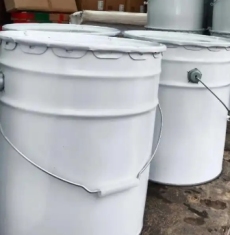
Each tank is packaged in 25 Kilograms, which is a 100% solid content paste coating. It needs to be diluted with deionized water at a ratio of 1:0.2 before construction. The recommended dry film thickness is 80-120μm, and the theoretical coating rate is 3-5㎡/kg (dry film 100μm). After curing, the compressive strength of the film reaches 20MPa, and it has excellent acid and alkali corrosion resistance, which can resist the erosion of acidic flue gas inside the kiln.
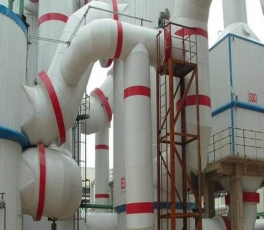
It is mainly used for ceramic kiln linings, high-temperature electric furnace inner walls, metallurgical blast furnace walls, glass melting kiln inner walls and other ultra-high temperature industrial scenarios. It can also be used for high-temperature heat insulation coatings of aerospace test equipment, helping equipment reduce energy consumption, reduce heat loss, and protect substrates from high-temperature oxidation and chemical erosion.







 Post RFQ


 Chat
Chat


 ALL CATEGORIES