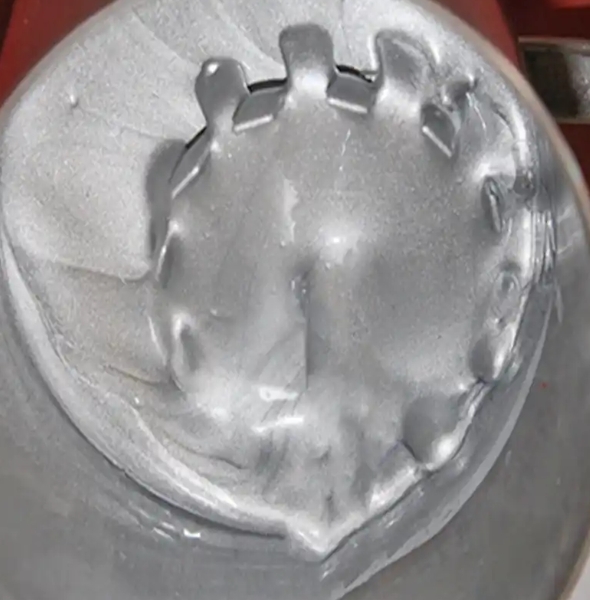





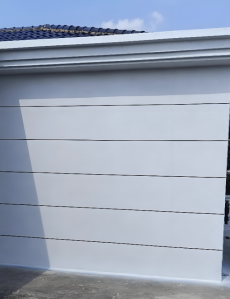






The core advantage of this product lies in its dual performance of electromagnetic shielding and high-temperature anti-corrosion. It uses high-purity silver-coated copper conductive filler, which can form a continuous conductive network, achieving an electromagnetic shielding effect of more than 40dB, effectively blocking electromagnetic radiation and signal interference in the 10kHz to 1GHz frequency band. The high-temperature resistance can reach 1112°F, and after 200 cold and hot cycle tests, the electromagnetic shielding performance and coating integrity have no obvious decline, with excellent temperature stability. The coating hardness is as high as 3H, with excellent wear resistance and scratch resistance, which can effectively protect the surface of electronic equipment from damage. It adopts an environment-friendly solvent formula, with VOC content less than 50g/L, which meets the EU REACH regulations.
The detailed specifications of this conductive high-temperature resistant electromagnetic shielding paint are as follows: the wet film thickness is 90-110 μm, and the dry film thickness is 40-50 μm, with a density of 1.5 g/cm³. It should be stored in a cool, dry and ventilated place, away from direct sunlight and high temperature, with a shelf life of 12 months. It can be cured at room temperature, or accelerated cured at 300°F for 30 minutes to shorten the construction time. The applicable temperature range is from -40°F to 1112°F, and the electromagnetic shielding frequency range is 10kHz to 1GHz, which can meet the electromagnetic protection requirements of most industrial electronic equipment.
This product is mainly suitable for scenarios such as high-temperature electronic equipment shells, aerospace communication antenna brackets, industrial electromagnetic shielding rooms, high-temperature radar equipment and new energy vehicle motor shells. In the aerospace field, it can be coated on the surface of communication antennas to prevent electromagnetic signal interference and coating corrosion in high-temperature environments, ensuring stable transmission of communication signals. In the new energy industry, it can be used for the shell protection of new energy vehicle motors, effectively blocking electromagnetic radiation from interfering with the electronic equipment in the car, while protecting the motor shell from high temperature and corrosion damage.














 Post RFQ


 Chat
Chat


 ALL CATEGORIES