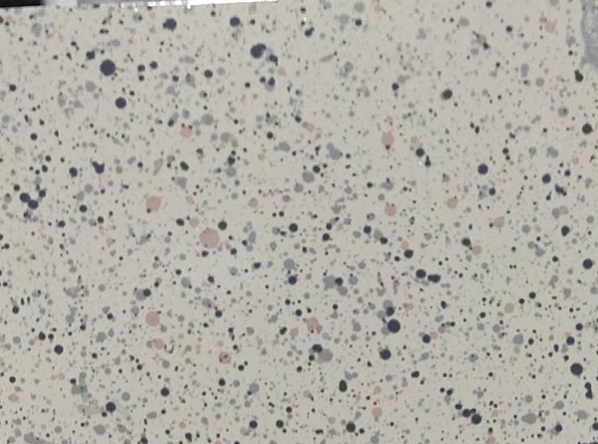





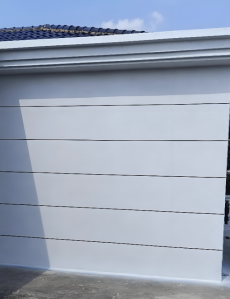

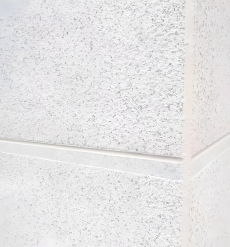




This product has three core differentiating advantages. First, it uses nano-alumina and zirconia ceramic composite fillers, which can form a dense ceramic-like protective layer after curing, with a dielectric strength of up to 25kV/mm, providing reliable insulation protection for high-voltage electrical components. Second, it has ultra-high temperature resistance up to 1800℃, and will not decompose or lose insulation performance after long-term high-temperature baking. Third, it has excellent corrosion resistance to acid and alkali gases in high-temperature industrial environments, solving the pain points of traditional insulating coatings that are prone to aging, cracking and insulation failure under high-temperature and corrosive conditions. It can also reduce the surface temperature of electrical equipment by more than 30%, improving the operating stability of the equipment.
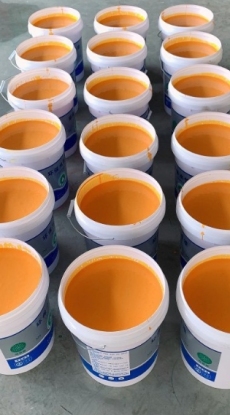
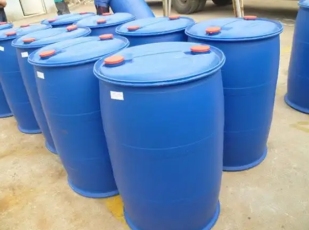
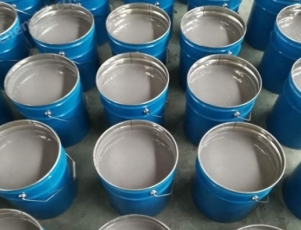
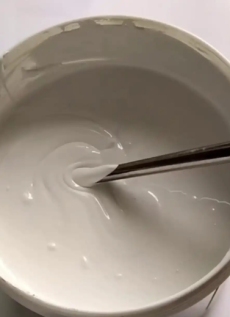
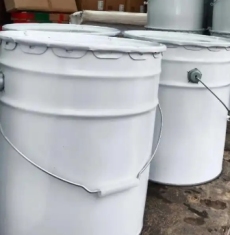
Base Material: Modified Inorganic Binder + Nano Ceramic Composite Filler; Film Formation Type: Two-component Curing; Dry Film Thickness Range: 30-60μm per coat, recommended 2-3 coats for total thickness 60-180μm; Curing Conditions: Room temperature curing for 24h, or baking at 150℃ for 2h to obtain optimal performance; Density: 1.62g/cm³; Coverage: 6-8㎡ per Kilogram (at 40μm thickness); Construction Tool Compatibility: Suitable for airless spray guns, dip coating tanks and brush construction; Storage Conditions: Store in a sealed container away from high temperature and humidity, temperature range 10-25℃; Packaging Specifications: 10kg/drum, 200kg/IBC tank; Compliance Standards: Meets IEC 60085, GB/T 1408.1 and EU RoHS regulations.
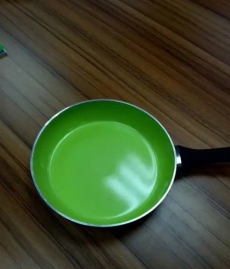
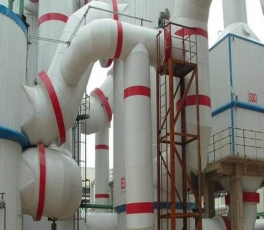
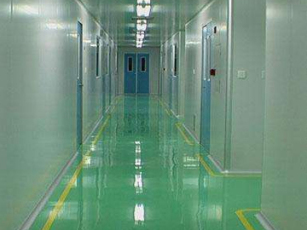
Main applicable scenarios include high-voltage motor stator winding insulation, electric heating tube surface insulation and anti-corrosion, industrial furnace temperature sensor protection, gas turbine blade surface insulating coating, and new energy battery thermal management system high-temperature insulation protection. It is suitable for industries such as new energy, aerospace, high-voltage electrical manufacturing, metallurgical heating and high-temperature sensor production. Typical use cases include insulating the surface of industrial heating elements, protecting the wiring harness of high-temperature industrial equipment, and insulating the inner wall of high-temperature incinerators, providing reliable insulation and thermal protection for high-temperature electrical and thermal equipment.








 Post RFQ


 Chat
Chat


 ALL CATEGORIES