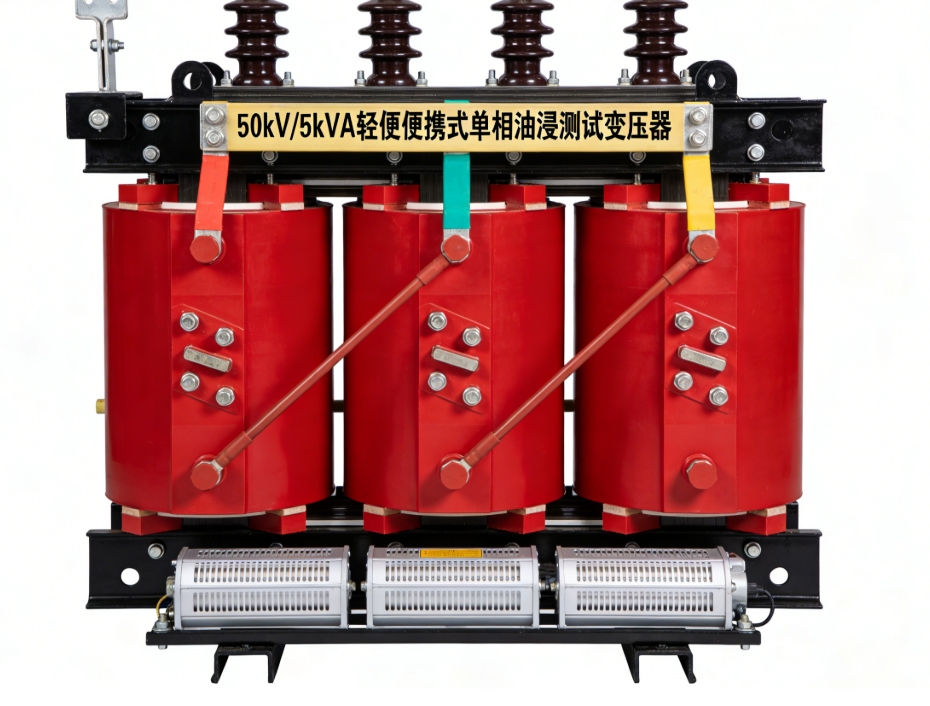
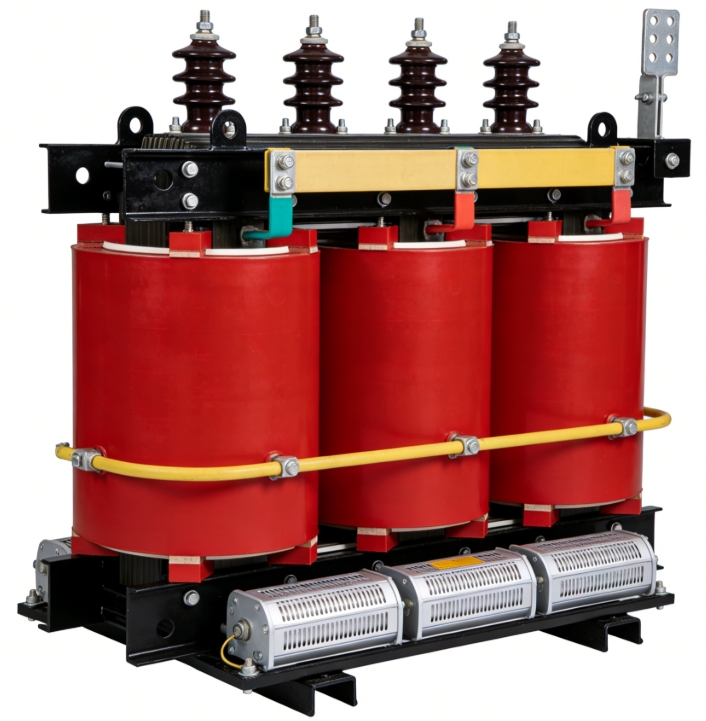


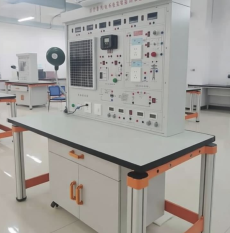
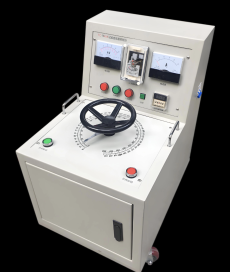
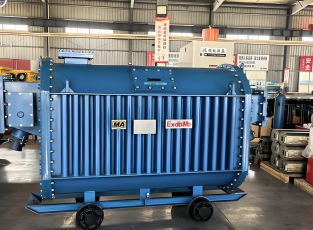
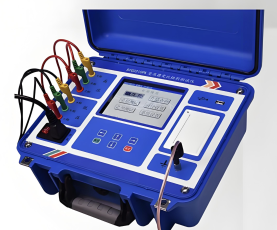

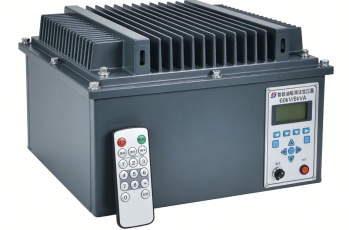
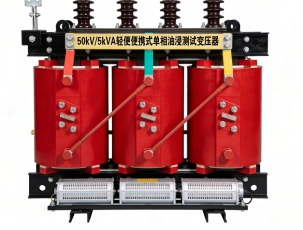
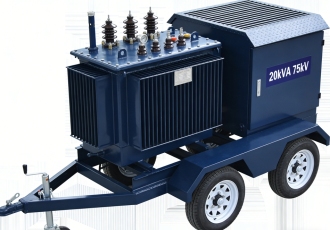
The core advantage of this product lies in its portable and efficient design, with a net weight of only 45kg that can be carried by two operators easily. It is equipped with quick-connect high-voltage terminals and a humanized carrying handle, reducing test preparation time by over 30% compared to traditional test transformers. Built-in overvoltage, overcurrent and overtemperature protection devices automatically cut off power when abnormal testing conditions occur, ensuring the safety of operators and tested equipment. Unlike ordinary test transformers, it supports matching with partial discharge detectors to meet high-precision testing requirements for power grid maintenance. The sealed oil tank design avoids oil leakage during transportation, reducing later maintenance costs.
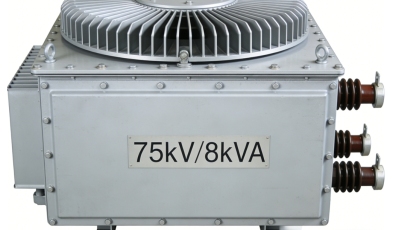
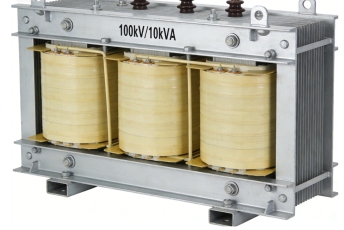
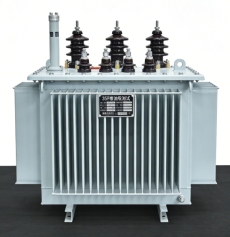
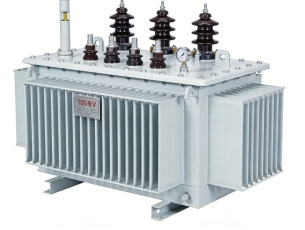
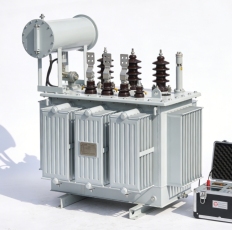
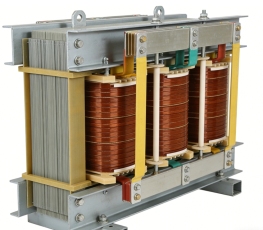
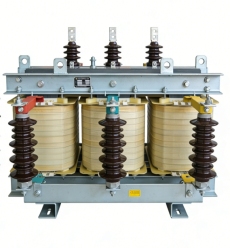
This transformer has a rated output voltage of 50kV and a rated capacity of 5kVA, suitable for low and medium voltage testing scenarios. It adopts natural oil immersion cooling mode, which ensures stable heat dissipation during 2-hour continuous testing without additional cooling power supply. The insulation class reaches Class F, allowing a maximum operating temperature of 155℃. The overall dimensions measure 650mm × 420mm × 580mm, which can be stored in a standard 1.2m toolbox for road transportation. The single-layer cylindrical winding structure reduces winding loss by 12% compared to traditional multi-layer windings, improving test accuracy. The protection grade of IP20 prevents small foreign objects and fingers from entering the interior. The power input is compatible with standard 380V 50Hz single-phase field power supplies, and the test accuracy reaches ±1.5% of full scale, meeting the requirements of most routine electrical safety tests. The built-in insulating oil volume is 8L, which can be replaced within 10 minutes during routine maintenance.
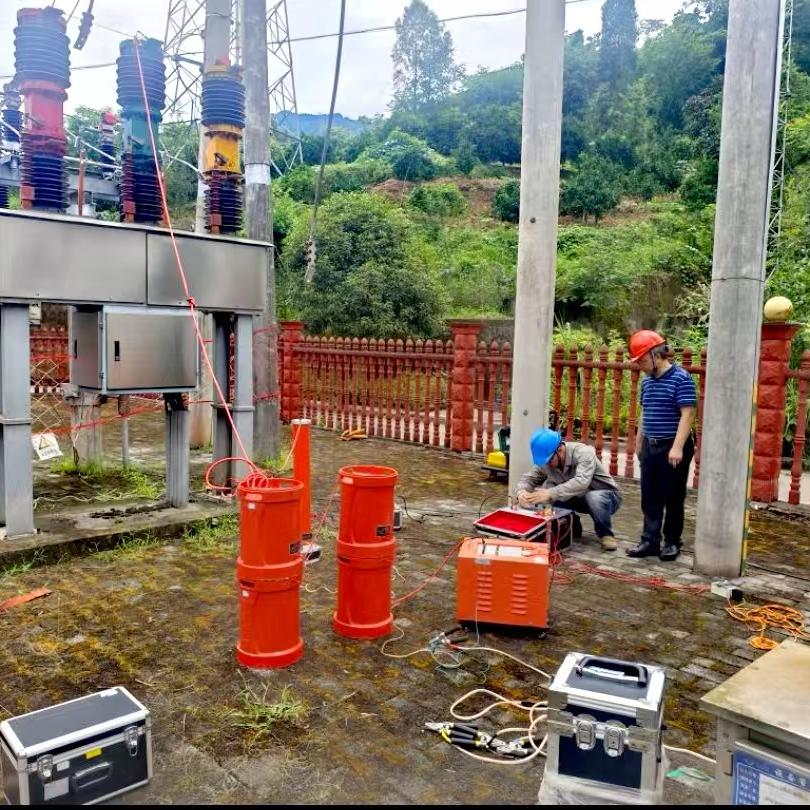
This product is mainly applicable to power supply bureaus, electric power construction teams, large industrial and mining enterprises, and small electrical equipment manufacturing plants. Typical application scenarios include on-site dielectric strength testing of low-voltage distribution cabinets, insulating gloves, insulating boots, small distribution transformers and overhead line terminals. It can also be used for acceptance testing of newly installed electrical equipment and routine maintenance inspections of old power facilities. It helps maintenance personnel quickly detect insulation aging, partial discharge and other potential safety hazards, ensuring the safe and stable operation of the power system. It is especially suitable for field operations in remote areas where large testing equipment cannot be transported smoothly.







 Post RFQ


 Chat
Chat


 ALL CATEGORIES