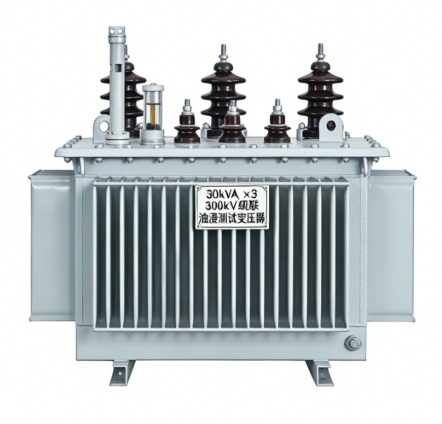
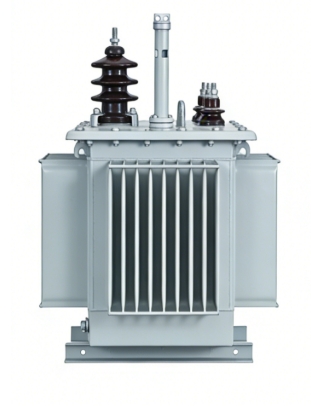


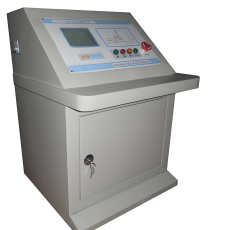
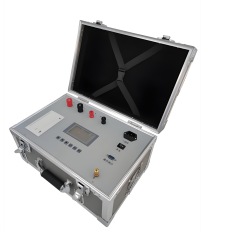
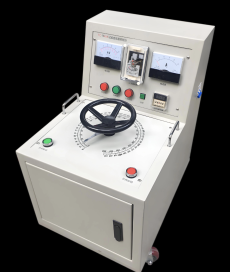

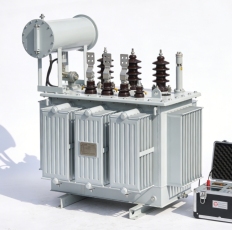
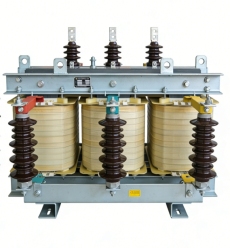
First, it adopts a 3-level cascaded series connection structure, which can realize the output of 300kV ultra-high voltage while ensuring the compactness of the equipment, avoiding the problem of oversized volume of single high-voltage transformers. Second, each single unit adopts natural oil cooling, which reduces the energy consumption and maintenance cost of the equipment. Third, it is equipped with a synchronous control system, which can ensure that the output voltage of each cascaded unit is consistent, ensuring the accuracy and stability of the test data. In addition, it has a comprehensive safety protection system, including overvoltage protection, overcurrent protection and interlock protection between cascaded units, which effectively ensures the safety of the testing process. It can be disassembled into three independent units, which is convenient for transportation and installation in complex scenarios.
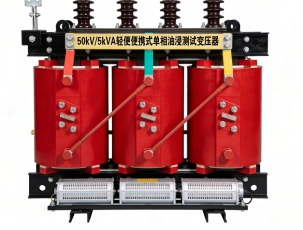
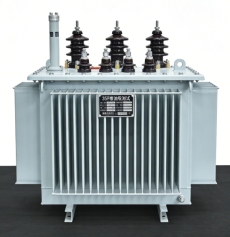
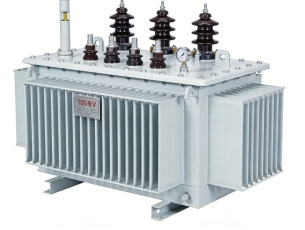
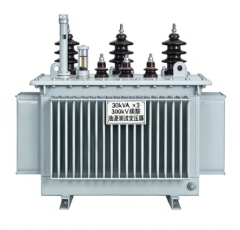
This product has professional technical specifications for cascaded test transformers. The total rated capacity is 90kVA, with a single unit rated capacity of 30kVA, and the rated AC output voltage is 300kV through 3-level series connection. The input voltage is 380V three-phase, which is suitable for standard industrial power supply. The no-load current of each unit is controlled within ≤1.2% of the rated current, and the impedance voltage is ≤7%, ensuring stable and efficient operation. The insulation class of each unit reaches Class F, allowing stable operation within the ambient temperature range of -20℃ to 45℃. The cooling mode of each unit adopts natural oil cooling, which does not require additional power support. The total weight is 920kg, and the equipment can be disassembled into three independent units with a single unit weight of about 310kg, which is convenient for transportation. The protection grade is IP20, and it complies with IEC 60137 and GB 1094 standards, ensuring the reliability of the test data.
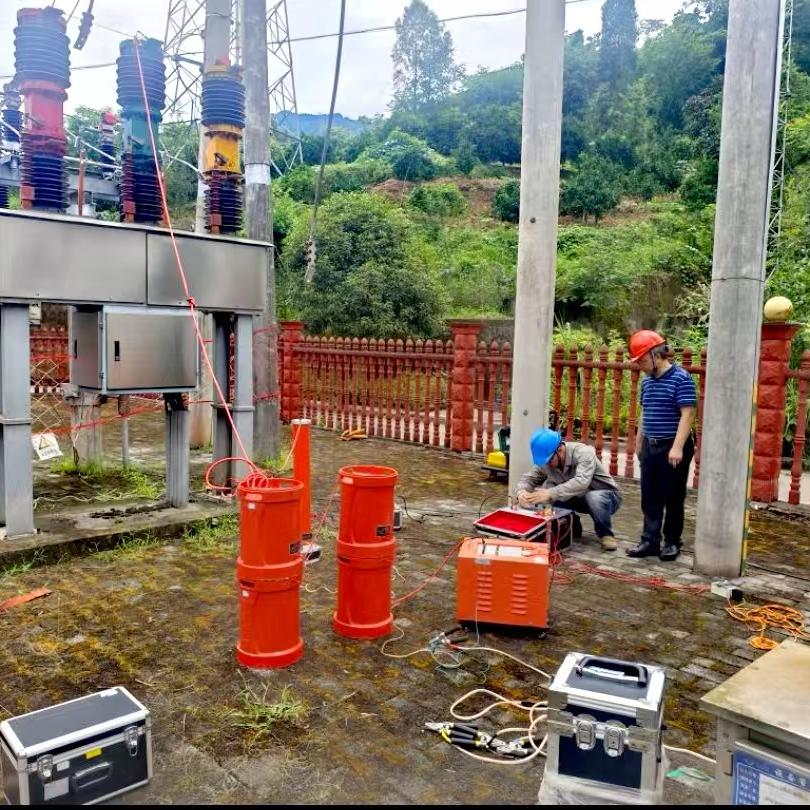
This 30kVA x3 300kV cascaded oil-immersed test transformer is mainly applicable to ultra-high voltage testing scenarios. First, it is suitable for testing ultra-high voltage electrical components such as ultra-high voltage insulators, surge arresters and ultra-high voltage transformers. Second, it can be used by large-scale power transmission and transformation projects to conduct on-site testing of ultra-high voltage transmission lines and substations. Third, it is suitable for high-end electrical testing institutions to provide third-party testing services for ultra-high voltage electrical products. In addition, it can also be used for scientific research and testing of ultra-high voltage insulation materials in universities and research institutes, promoting the development of ultra-high voltage electrical technology.







 Post RFQ


 Chat
Chat


 ALL CATEGORIES