


The core advantage of this product lies in its food-grade safety certification and efficient biofilm removal capability. Peracetic acid can quickly penetrate the biofilm structure to completely remove algae and bacteria attached to the inner wall of the pipeline, while hydrogen peroxide can enhance the bactericidal effect and shorten the disinfection time. Its decomposition products are only water and oxygen, which will not leave any residue on the inner wall of the pipeline and will not affect the hygiene safety of subsequent food production. At the same time, its colorless and transparent appearance will not cause any staining damage to pipelines and equipment. The product is easy to use, can be directly diluted and injected into the pipeline for cyclic disinfection, without additional flushing steps (used according to standard dosage), greatly improving the disinfection efficiency of food production workshops and complying with HACCP food safety management system requirements.
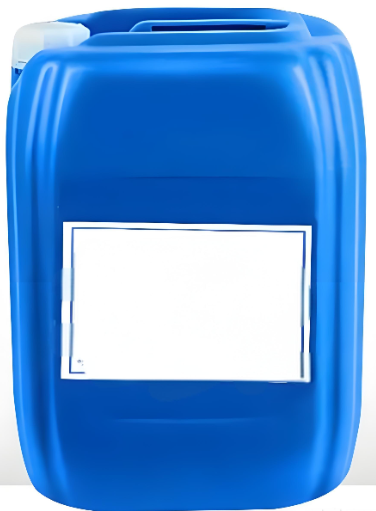
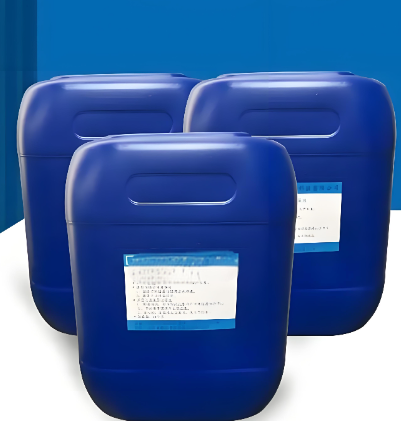
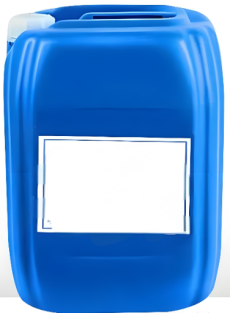
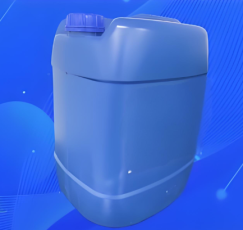
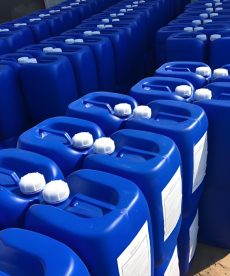
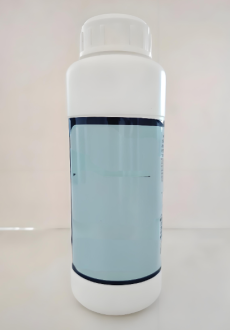
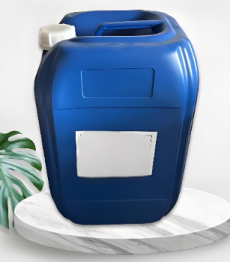
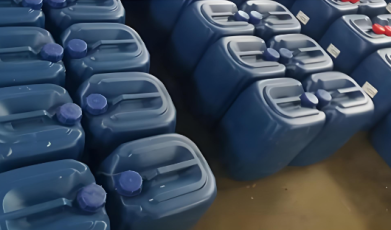
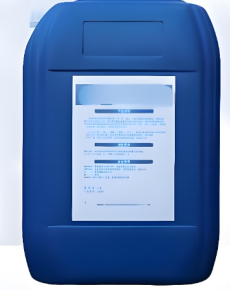
It appears as a colorless transparent liquid without irritating odor, with a total active ingredient content of ≥20%, a density of 1.15±0.02g/cm³, a freezing point of -12℃, and a boiling point of 105℃. It can be mixed with water in any proportion. It is packaged in 20kg food-grade stainless steel barrels or PE barrels with good sealing performance. The storage temperature should be controlled at 2-8℃ and avoid direct sunlight and high temperature environment. The standard dosing dosage is 80-150ppm per cubic meter of pipeline water, and cyclic disinfection for 30-60 minutes can achieve sterilization effect.
It is mainly applied to production pipelines of food processing plants, filling systems of beverage production lines, dairy processing equipment, pipeline systems of beer brewing workshops and other scenarios. Typical application scenarios include pipeline disinfection of bottled drinking water production workshops, sterile pipeline cleaning of dairy processing plants, and disinfection of saccharification systems of breweries. It can effectively remove harmful microorganisms such as algae, bacteria and spores in pipelines, ensure the hygiene and safety of food production, and comply with national food production safety standards.









 Post RFQ


 Chat
Chat


 ALL CATEGORIES