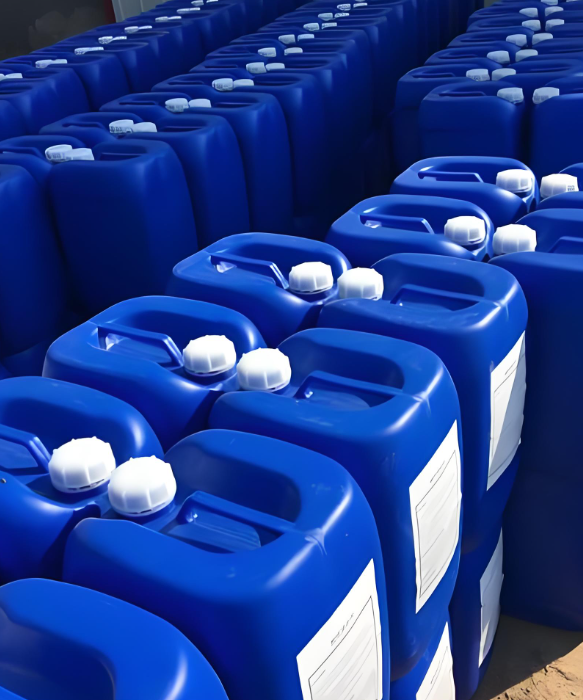



Using low-toxicity and high-efficiency DBNPA as the core active ingredient, it differs from traditional oxidizing fungicides by avoiding corrosion damage to metal equipment, and can exert its effect without additional activators. A special dispersing additive is added to address the common biological sludge problem in recirculating water systems, which can quickly strip algae sludge attached to pipelines and heat exchanger surfaces, avoiding heat exchange efficiency loss. The product has excellent water solubility, can be directly added or diluted before use, is easy to operate, and degrades rapidly in water with no long-term residual risk, meeting industrial water treatment environmental protection emission standards. It is also compatible with most corrosion and scale inhibitors without needing to adjust the existing water treatment agent formula.
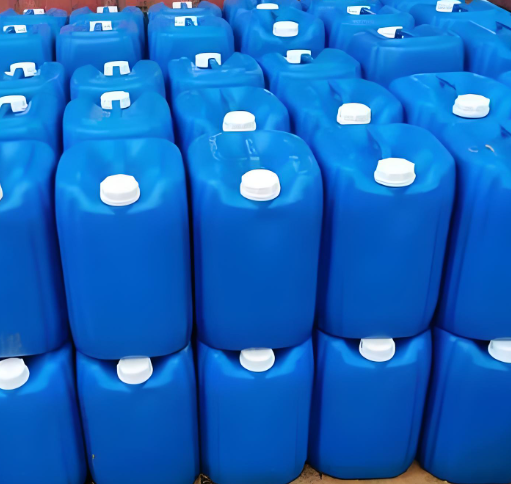
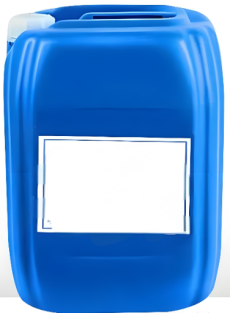
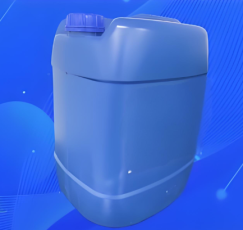
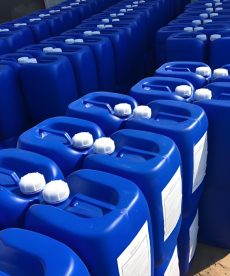
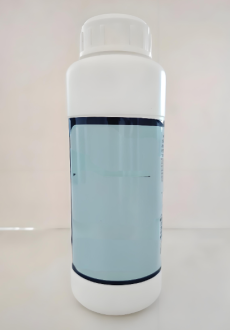
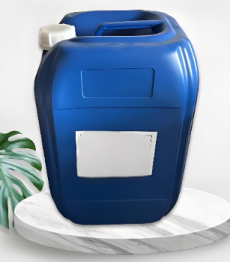
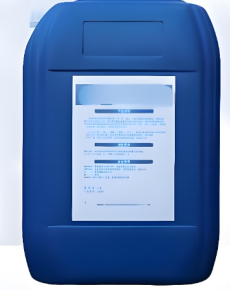
The core active ingredient content is 15%, with a colorless to light yellow transparent liquid appearance and a density of 1.25g/cm³. The pH value of 1% aqueous solution is 7.0±0.5, with a storage validity period of 12 months. The packaging uses 25Kg closed steel drums, and the transportation grade is UN 3082 (environmentally hazardous substances). It should be added via a metering pump, with the recommended dosing point located at the outlet of the circulating water pump, and mixing with strong oxidizing agents should be avoided.
It is mainly used in generator set recirculating cooling water systems in the power industry, process recirculating water systems in chemical enterprises, rolling mill recirculating cooling water systems in the metallurgical industry, and recirculating cooling water systems for central air conditioning cooling towers. Typical application scenarios include suppressing large-scale algae outbreaks during high temperature and high humidity seasons in summer, controlling the total number of bacteria in water to meet standards through regular dosing, solving the problem of increased heat exchanger pressure drop caused by biological sludge, extending equipment cleaning cycles, and reducing labor and agent costs for operation and maintenance.









 Post RFQ


 Chat
Chat


 ALL CATEGORIES