

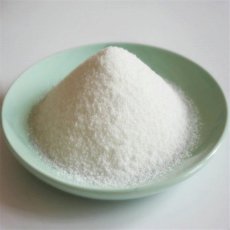
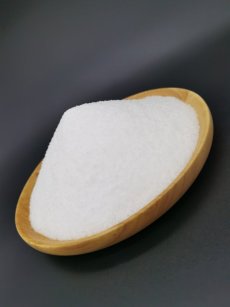
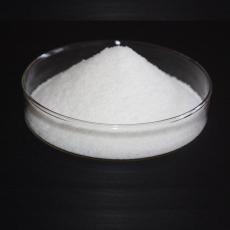
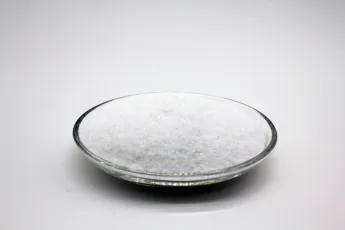

This composite formula combines active bromine and alkyl glycoside quaternary ammonium salt, which avoids bacterial resistance caused by single-agent use. It has a wide pH adaptation range, suitable for most industrial circulating water scenarios, and can maintain stable efficacy within the range of 6.0-9.0. It has strong compatibility, can be mixed with common corrosion and scale inhibitors without reducing the sterilization and algae removal effects, and will not corrode metal pipelines and cooling equipment. The phosphorus-free formula meets environmental protection requirements, with a sterilization rate of over 99.9% and algae killing rate of over 98.5%, which can quickly eliminate harmful bacteria and algae in water, and the antibacterial effect can last for 7-10 days after single use, reducing the number of dosing times.
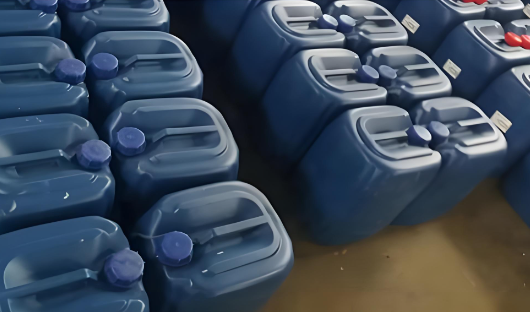
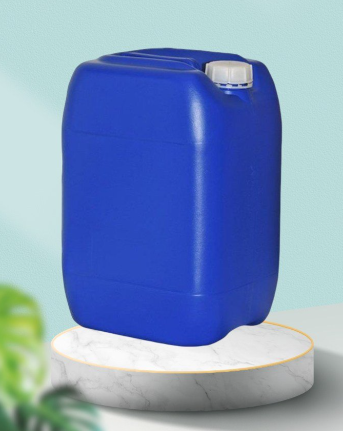
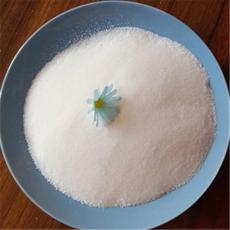
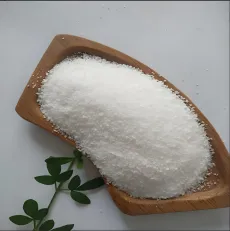
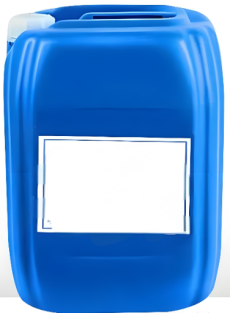
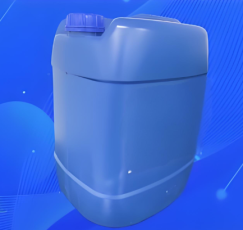
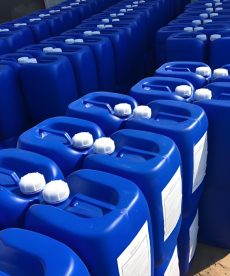
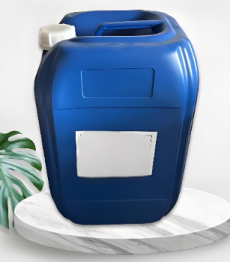
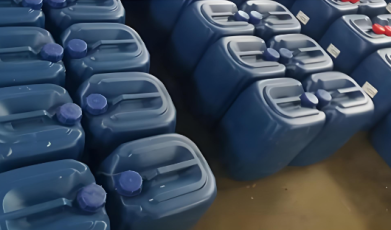
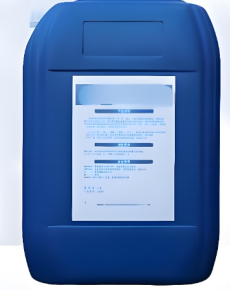
The effective content of the product is 50% active bromine and 20% alkyl glycoside quaternary ammonium salt, with a density of 1.12±0.02 g/cm³. It has a pH adaptation range of 6.0-9.0, and can be completely dissolved in water at 25℃. The sterilization rate for common pathogenic bacteria such as E. coli and Legionella is ≥99.9%, and the algae killing rate for green algae and blue algae is ≥98.5%. The product has a storage period of 24 months under sealed storage conditions, and the packaging adopts 25kg sealed plastic drums. The recommended usage concentration is 50-100ppm, which can be directly poured or diluted with water and then added to the circulating water system. It has no residue and will not affect the water quality of the circulating system.
This product is suitable for circulating cooling water systems of petrochemical, electric power, textile and other industrial enterprises, central air conditioning circulating water systems, industrial heat exchange equipment waterways and other scenarios. It can effectively solve the problems of algae overgrowth, biological slime deposition and bacterial pollution in the water system, reduce the frequency of pipeline cleaning and maintenance, improve the heat exchange efficiency of the system, and extend the service life of equipment. It is very suitable for large-scale industrial water treatment scenarios, helping enterprises reduce operating costs and meet environmental protection requirements.










 Post RFQ


 Chat
Chat


 ALL CATEGORIES