


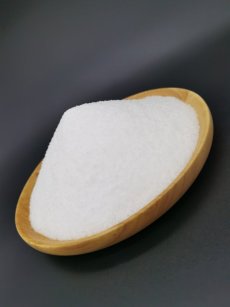
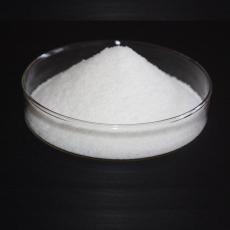


The core advantage of this product lies in its ability to efficiently kill harmful algae and pathogenic bacteria. The available chlorine released by sodium dichloroisocyanurate can quickly penetrate the cell walls of microorganisms and destroy their nucleic acid structure to achieve rapid sterilization and algaecide. At the same time, its degradation products are carbon dioxide, nitrogen and sodium chloride, with no toxic residues, which will not affect the growth and food safety of aquatic animals. Its wide pH adaptation range allows it to function in aquaculture ponds with different water qualities without additional water pH adjustment. The powdery form is easy to dissolve and evenly spread, which can quickly cover the entire aquaculture water body, solving the problem of excessive microbial levels in local areas leading to aquatic diseases, and reducing the cost and risk of medication during aquaculture.
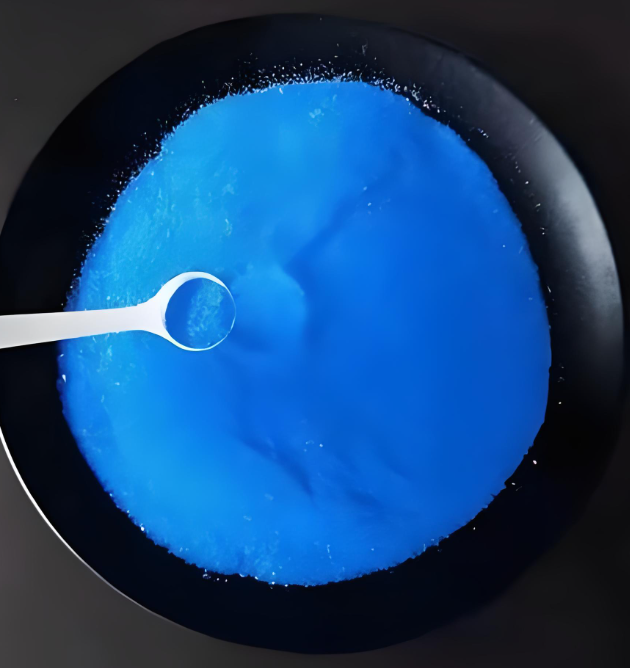
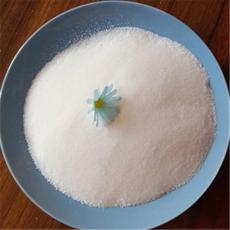
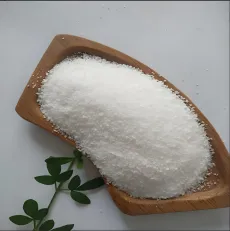
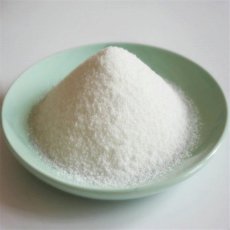
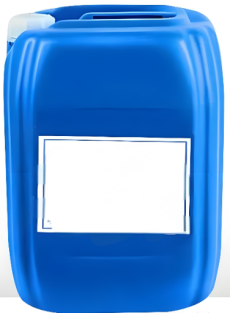
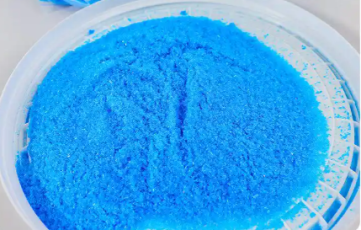
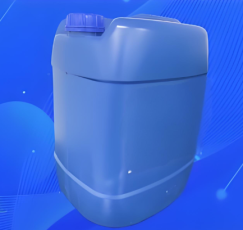
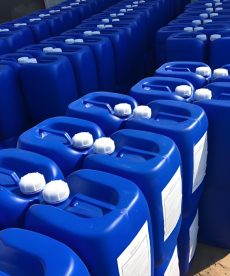
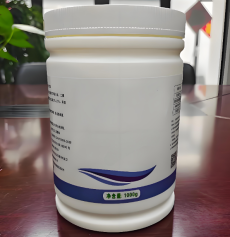
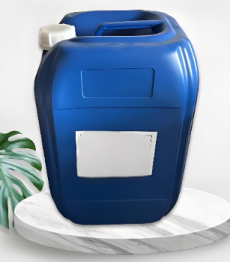
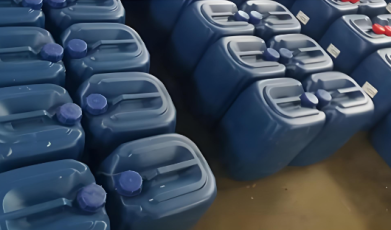
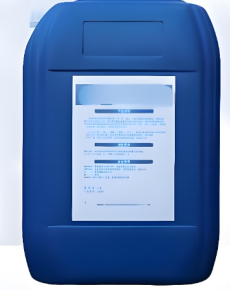
It appears as a white crystalline powder, with an available chlorine content of ≥20%, a solubility of ≥90% in water at 25℃, a particle size of 0.3-0.8mm, and a density of 0.78±0.03g/cm³. It is packaged in 10kg moisture-proof plastic barrels lined with aluminum foil bags to prevent moisture failure. The storage temperature should be controlled at 5-30℃ and avoid mixing with acidic substances. The standard dosing dosage is 30-80ppm per cubic meter of water, which can be appropriately adjusted according to the water pollution level. It is recommended to dose on sunny mornings to obtain the best effect.
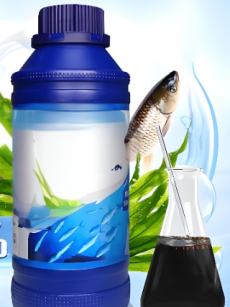
It is mainly applied to freshwater aquaculture ponds, mariculture ponds, factory-based aquaculture workshops and other scenarios. Typical application scenarios include shrimp culture ponds, grass carp culture bases, and factory-based circulating water aquaculture systems. It can effectively control problems such as cyanobacteria outbreaks and Vibrio breeding, reduce the incidence of aquatic animal diseases, improve aquaculture survival rate and product quality, and comply with national aquaculture medication safety standards.









 Post RFQ


 Chat
Chat


 ALL CATEGORIES