



The core advantage of this product lies in its composite formula that breaks the bactericidal limitations of single agents. Isothiazolinone quickly kills free microorganisms, while dodecyl dimethyl benzyl ammonium chloride effectively attaches to biofilms to remove attached algae and bacteria, solving the industry pain point that traditional agents are difficult to remove biofilms. Its wide pH adaptation range allows it to stably function under different water quality conditions, eliminating the need for additional water pH adjustment and reducing operation and maintenance costs. At the same time, the product has low residue and is easy to degrade, meeting national environmental protection discharge standards and will not cause secondary pollution to the surrounding water body. It can also be automatically and accurately dosed with professional dosing equipment, greatly improving operation and maintenance efficiency.
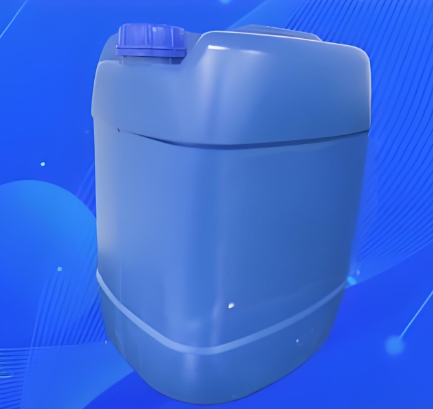
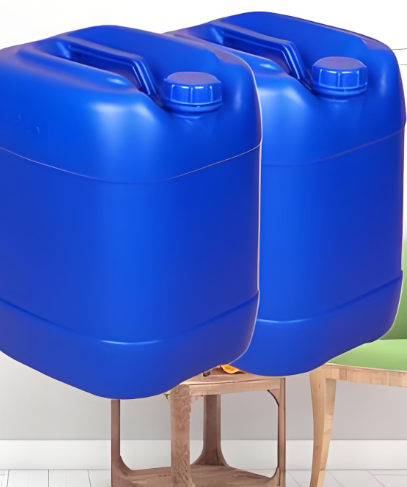
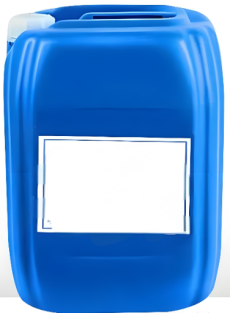
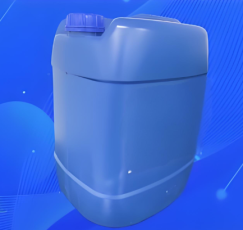
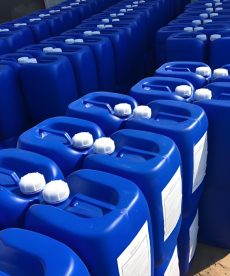
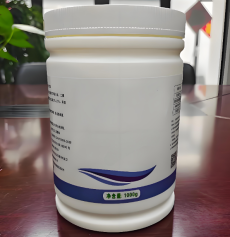
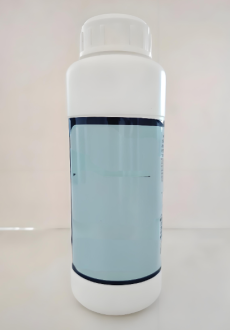
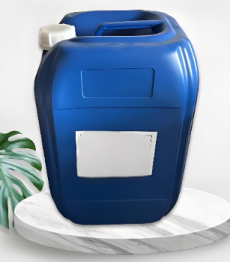
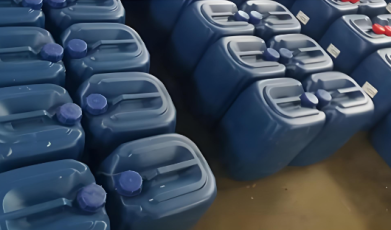
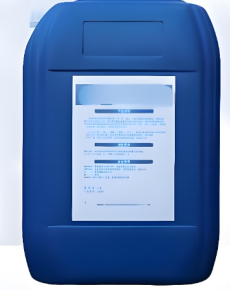
It appears as a light yellow transparent liquid, with a total active ingredient content of ≥25%, a density of 1.12±0.02g/cm³, a freezing point of -5℃, and a boiling point of 102℃. It is soluble in water and most polar organic solvents. It is packaged in 25kg food-grade plastic barrels with good sealing performance to prevent agent volatilization and contamination. The storage temperature should be controlled at 5-35℃ and avoid direct sunlight. The standard dosing dosage is 50-100ppm per cubic meter of water, which can be appropriately adjusted according to the microbial pollution level of the water body.
It is mainly applied to industrial circulating cooling water treatment systems in industries such as electric power, chemical industry, steel, and pharmaceutical, including open cooling towers, closed circulating water systems, central air conditioning cooling water systems, etc. Typical application scenarios include circulating water systems of thermal power plants and process cooling water circulation systems of large chemical plants. It can effectively control algae growth and bacterial reproduction in water bodies, prevent equipment pipeline blockage and corrosion, and ensure the continuity and stability of industrial production.









 Post RFQ


 Chat
Chat


 ALL CATEGORIES