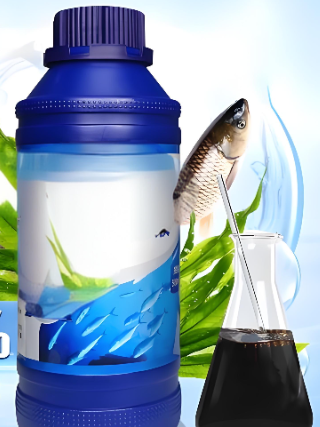



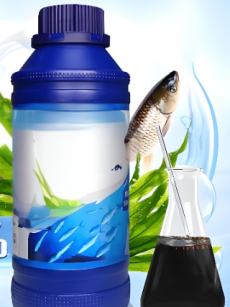
Different from traditional chemical disinfectants, it uses natamycin and polylysine as core antibacterial components, without any heavy metals and harmful chemical residues, meeting the Chinese GB 2760 food additive standard and EU EFSA safety certification, and can be directly used in aquaculture water without affecting the food safety of aquatic products. The product can not only effectively inhibit the growth of harmful algae such as blue algae and green algae, avoiding oxygen depletion in water caused by algae that leads to fish and shrimp hypoxia death, but also kill pathogenic bacteria such as Vibrio and Escherichia coli, reducing the incidence of aquatic culture diseases. The product has excellent water solubility, can be quickly and evenly dispersed in aquaculture water, is easy to use, and can be naturally degraded by microorganisms in water, without causing water eutrophication and maintaining the ecological balance of aquaculture water.
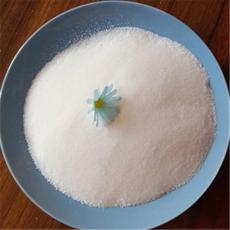
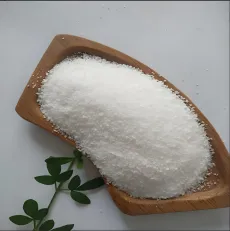
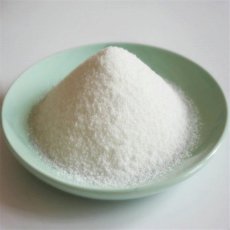
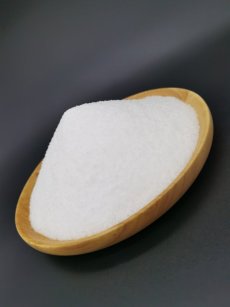
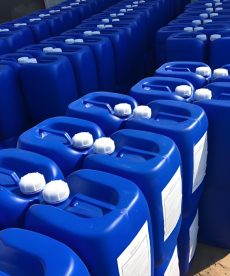
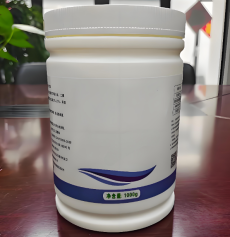
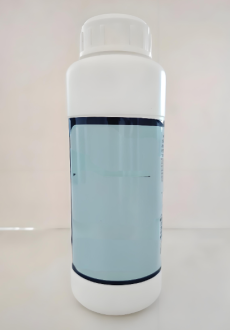
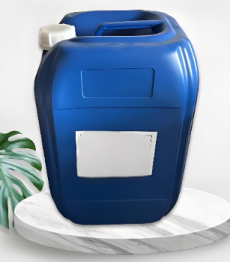
It appears as light yellow powder, with a total active ingredient content of 8%, 1% aqueous solution pH value of 7.0±0.5, density of 1.12g/cm³. It should be stored in a dark, cool and dry place, avoiding contact with strong oxidizing substances. The packaging uses food-grade sealed plastic bags plus carton packaging, and the transportation grade is general cargo without special transportation requirements. When in use, the agent should be dissolved and evenly sprayed into the aquaculture water body, and it is recommended to add it on a sunny morning, avoiding use on rainy days or when the water temperature is too high.
It is mainly used in freshwater fish and shrimp culture ponds, seawater shellfish culture bases, industrial recirculating water aquaculture systems and ornamental fish culture water bodies. Typical application scenarios include: regular dosing during high temperature summer seasons to control algae outbreaks and maintain dissolved oxygen content in water; treating fish and shrimp gill rot caused by Vibrio infection; reducing the number of harmful microorganisms in aquaculture water and lowering the incidence of aquatic diseases; cooperating with photosynthetic bacteria and other micro-ecological agents to maintain the micro-ecological balance of aquaculture water and improve the quality and yield of aquatic products.









 Post RFQ


 Chat
Chat


 ALL CATEGORIES