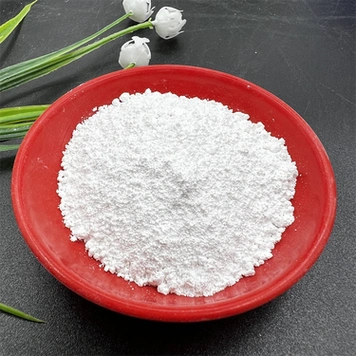
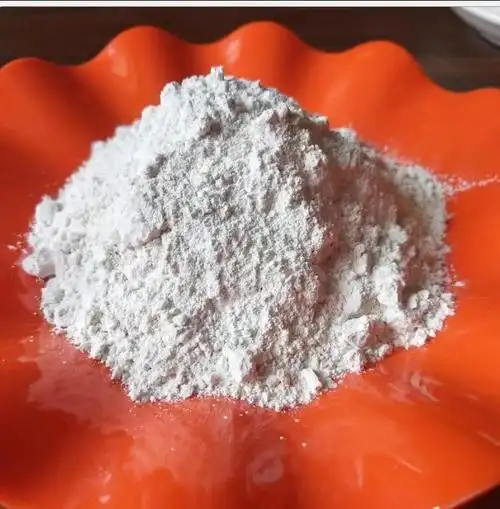





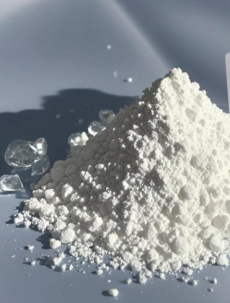
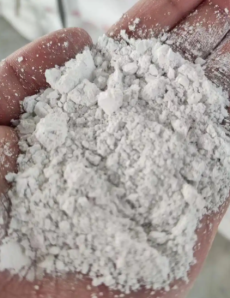
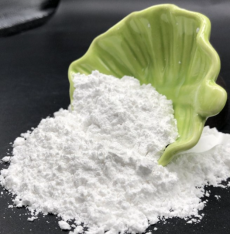
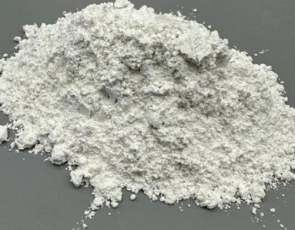
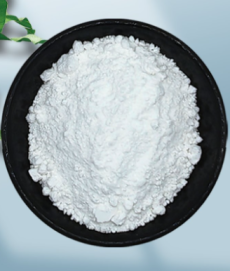

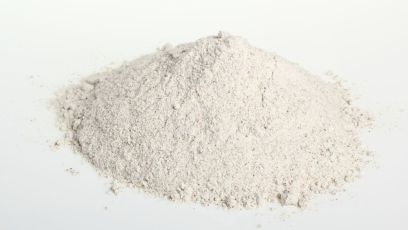
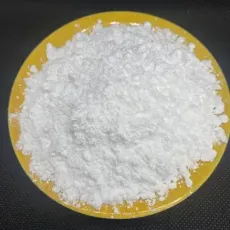
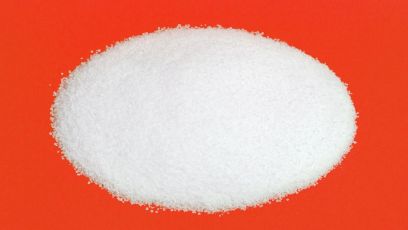
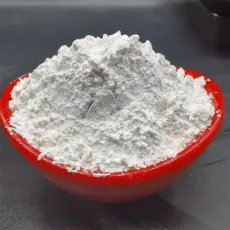
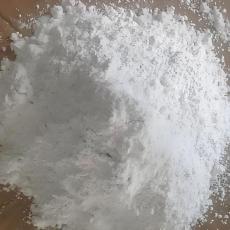
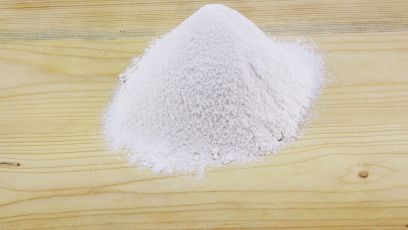
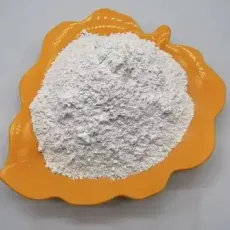
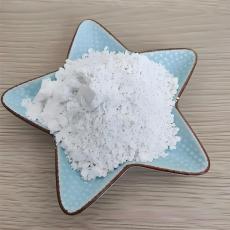
This nano-activated calcium carbonate uses high-purity calcium carbonate as the raw material, and is modified by stearic acid to achieve an activation degree of over 98%, greatly improving its compatibility with polymer substrates. The median particle size is only 40-60nm, with a large specific surface area, which can form a good reinforcing network in the polymer material, increasing the tensile strength and elongation at break of the composite material by more than 20% compared with ordinary calcium carbonate filled materials. It also has good heat resistance, can maintain stable performance at high temperatures above 300℃, and will not decompose or discolor during processing, effectively solving the pain points of poor dispersion and weak interfacial bonding of traditional calcium carbonate fillers.
The product has a calcium carbonate content of not less than 99%, with an average particle size D50 of 40-60nm and an activation degree of no less than 98%. The specific surface area is between 25 and 35m²/g, the pH value ranges from 8.5 to 10.0, and the moisture content is no more than 0.1%. The heavy metal content is ≤1mg/kg, the activation modifier is food-grade stearic acid, the bulk density is 0.3-0.5g/cm³, and the heat resistance temperature is not lower than 300℃, meeting the processing requirements of most polymer materials.
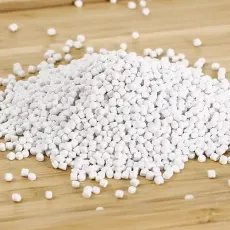
This nano-activated calcium carbonate is mainly used in the rubber industry, such as tire production, rubber hoses and rubber seals, where it can improve the wear resistance and tensile strength of rubber products. In the plastic modification industry, it is added to PP, PE and other polyolefin materials to improve the rigidity, hardness and dimensional stability of plastic products, reducing the usage amount of expensive raw materials. It is also used in water-based coatings and structural adhesives to improve the leveling property and mechanical strength of the products, and is widely favored by polymer processing enterprises.









 Post RFQ


 Chat
Chat


 ALL CATEGORIES