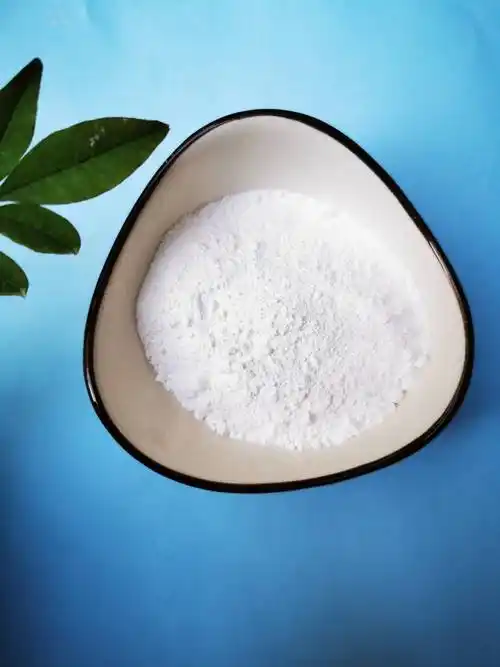
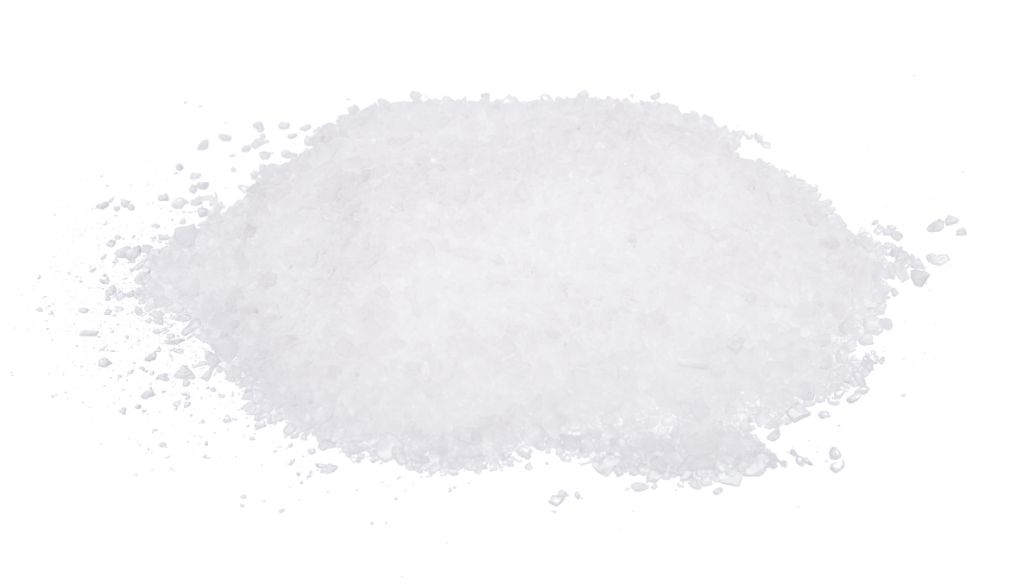





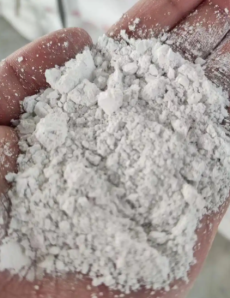
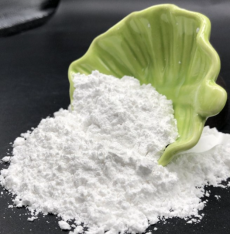
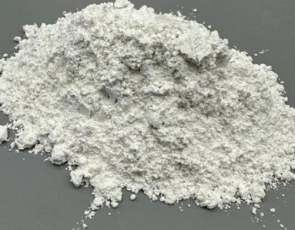
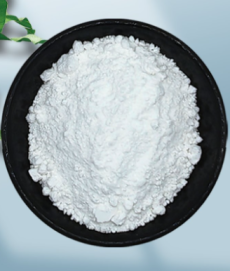

This product's key advantage lies in its ultra-fine 40-60nm particle size and fatty acid surface coating, which ensures excellent dispersion in rubber and polymer matrices, eliminating the aggregation issues common with unmodified nano calcium carbonate. The fatty acid coating also improves the compatibility between the calcium carbonate particles and the rubber matrix, enhancing the transfer of stress between the matrix and the filler, resulting in a 15% or higher improvement in the tensile strength of rubber products. With a high specific surface area and whiteness, it also improves the gloss and weather resistance of coatings and composite materials. It solves the pain points of traditional reinforcing agents such as high cost, poor dispersion, and negative impacts on product appearance.
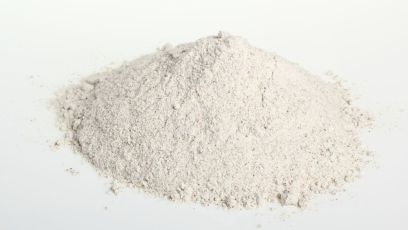
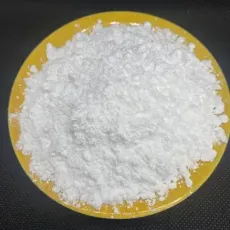
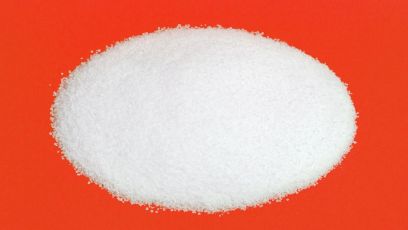
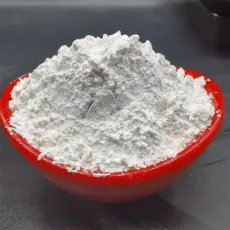
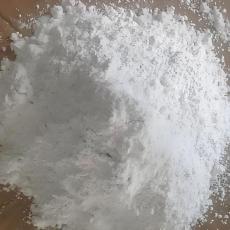
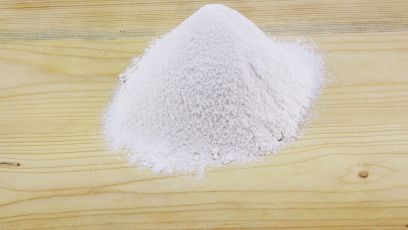
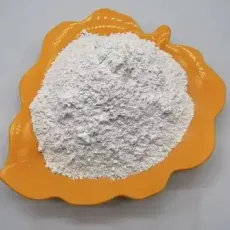
The surface-modified nano calcium carbonate has an average particle size of 40-60nm, with a minimum purity of 99.8%. The moisture content is controlled at ≤0.1%, and the pH value ranges from 8.0 to 9.0. The specific surface area is between 25 and 35 m²/g, and the whiteness is ≥95%, providing excellent whitening and reinforcing performance. The loss on ignition is between 43.0% and 44.0%, and the surface is coated with fatty acid to improve dispersion performance. It is tested to demonstrate a minimum 15% improvement in the tensile strength of natural rubber products, and it is certified compliant with ISO 9001 quality management standards. It is packaged in aluminum-plastic composite bags, with each bag containing 10 Kilograms of product.
This product is primarily used as a reinforcing filler in the rubber industry, including car tire treads and sidewalls, improving the wear resistance and tensile strength of the tires. It is also used in rubber sealing components, such as automotive engine gaskets and window seals, enhancing their aging resistance and sealing performance. In the coatings industry, it is added to water-based and solvent-based coatings to improve the gloss, weather resistance, and scratch resistance of the coatings. Additionally, it is used in advanced composite materials such as carbon fiber reinforced plastics, improving the interfacial bonding strength between fibers and the resin matrix.








 Post RFQ


 Chat
Chat


 ALL CATEGORIES