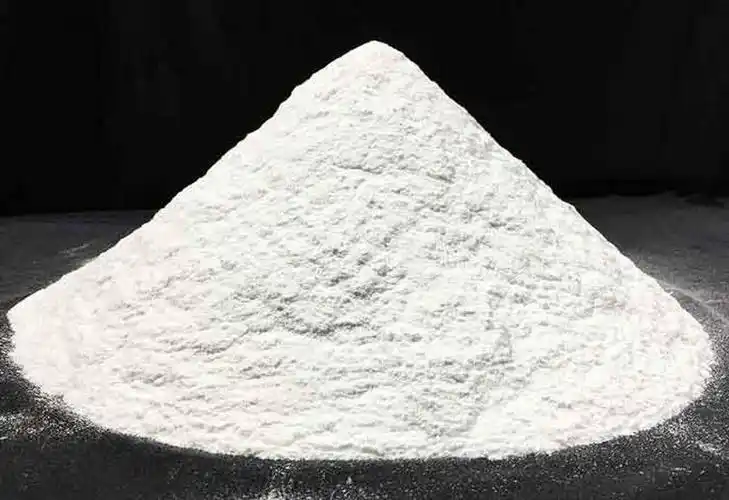






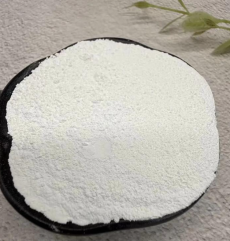
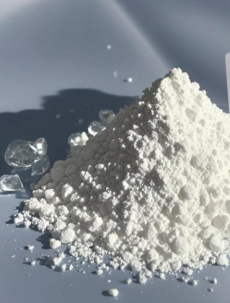
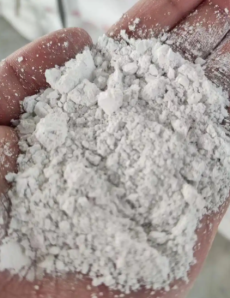
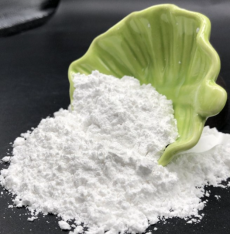
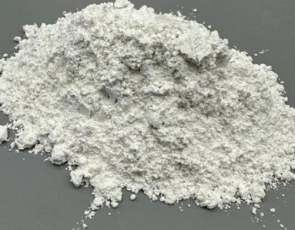
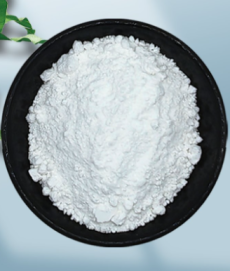

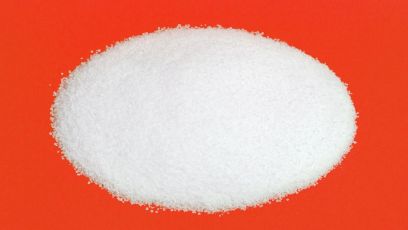
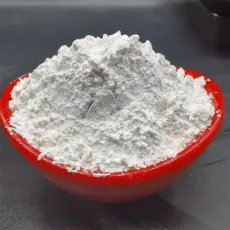
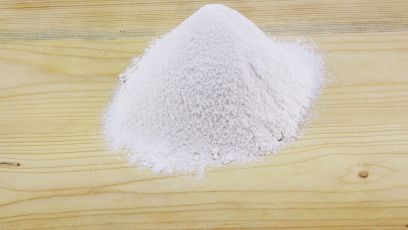
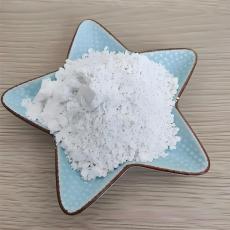
This food-grade light calcium carbonate stands out with its ultra-high purity, with calcium carbonate content exceeding 98.5%, and strictly controls heavy metal and microbial indicators within national and international safety limits. Its uniform particle size distribution ensures uniform dispersion in food systems, enhancing the anti-caking effect and improving the texture of baked goods and flour products. Unlike ordinary calcium carbonate products, it complies with FDA food safety regulations, making it suitable for high-end food processing scenarios, effectively resolving the pain points of unqualified food safety and poor product texture for food manufacturers. It also has good compatibility with various food ingredients, will not alter the original flavor of food, and meets the strict quality requirements of modern food processing enterprises.
The product has a calcium carbonate content of not less than 98.5%, with a pH value ranging from 8.0 to 9.5, and a whiteness of not less than 92. The median particle size D50 is between 10 and 15μm, with a moisture content of no more than 0.2%, and the lead content in heavy metals is no more than 2mg/kg. The ignition loss is ≤1.0%, the oil absorption value is 12-18g per 100g, and the bulk density is between 0.5 and 0.7g/cm³. It fully complies with FDA 21 CFR 182.1191 and China's GB2760 food safety standards, ensuring full compliance with food additive usage regulations.
This food-grade light calcium carbonate is mainly applicable to the baking food industry, including bread, cakes, and biscuits, where it acts as a leavening agent to expand the volume of baked goods and improve their softness. It is also widely used in flour products such as noodles and dumpling wrappers to enhance the toughness and smoothness of the dough. In the dairy product industry, it serves as a nutritional fortifier to increase the calcium content of milk and yogurt. Additionally, it can be used in pet food and health supplement products to provide supplementary calcium for animals and humans, meeting the nutritional needs of different groups, and is widely recognized by food processing enterprises at home and abroad.












 Post RFQ


 Chat
Chat


 ALL CATEGORIES